Fenugreek, turmeric and giloy for diabetes: new review weighs the evidence
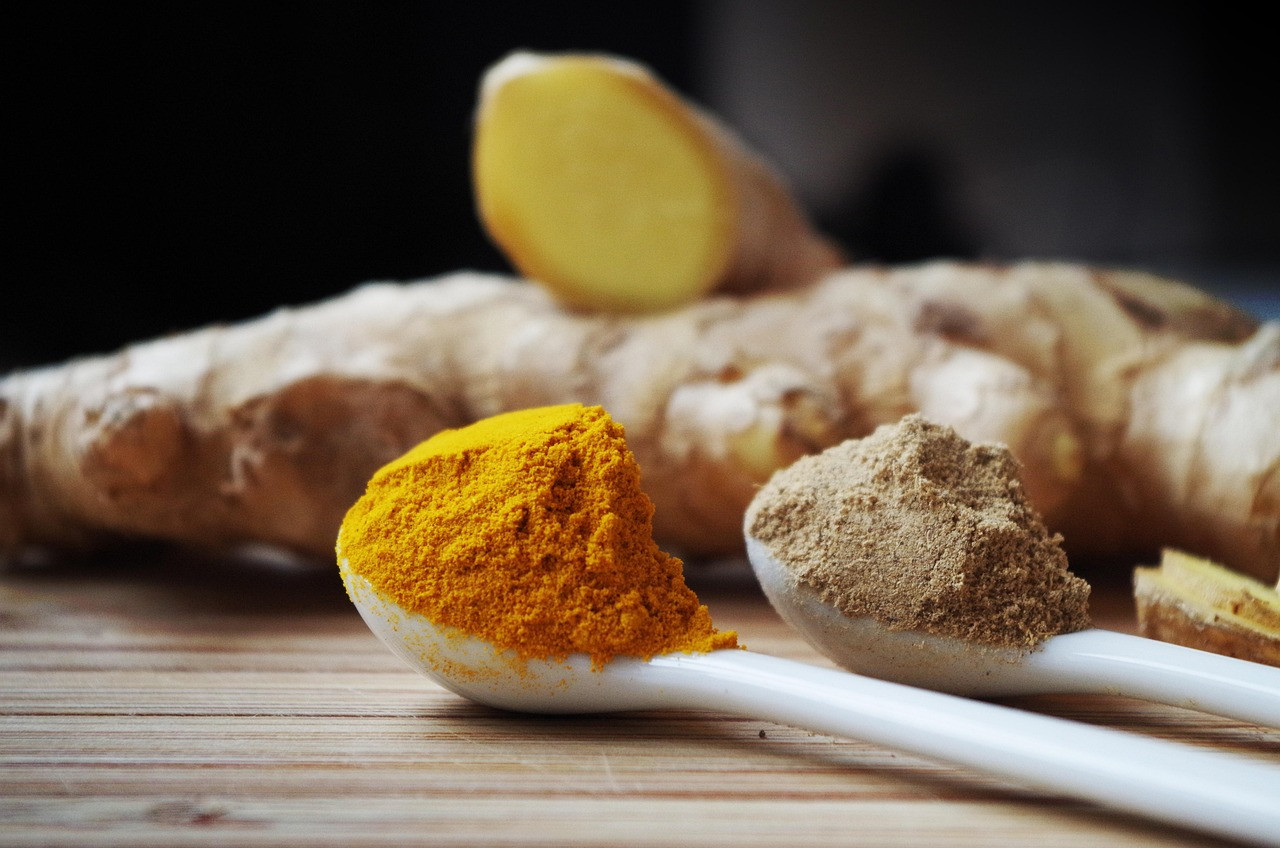
Representative image: Ajale / Pixabay
An October 2026 review in Nutrients finds early but limited evidence that fenugreek, curcumin, honey and giloy help with blood sugar, and calls for larger trials.
What Happened
A scientific review published in October 2026 in the journal Nutrients has examined the evidence on familiar Indian kitchen and traditional ingredients, including turmeric's active compound curcumin, fenugreek (methi), honey, garlic, cumin, shilajit and guduchi (giloy), for their possible role in managing diabetes. The narrative review, titled "Natural Products in Diabetes Mellitus: A Narrative Review of Mechanistic Insights into Metabolic Regulation and Therapeutic Potential", was highlighted in science coverage on Wednesday, October 14, 2026. The authors found that laboratory studies and some small clinical trials suggest possible benefits for blood sugar control, but they stressed that larger, well-designed trials are needed before these products can be relied on, and that they should not replace conventional treatment.
Key Facts
- Journal: Nutrients, volume 18, article 3318, published in October 2026.
- Type of study: a narrative review of published research, not a new clinical trial.
- Ingredients covered include curcumin (from turmeric), honey, garlic, fenugreek, cumin, shilajit and guduchi.
- Curcumin: in preclinical work it raised antioxidant enzyme activity and reduced the death of insulin-producing beta cells, but ordinary curcumin is poorly absorbed by the body.
- Fenugreek: a compound called 4-hydroxyisoleucine may help release insulin when blood sugar is high, and some small trials reported lower fasting and after-meal glucose.
- Honey: contains polyphenols with antioxidant and anti-inflammatory activity, but the review does not treat it as a medicine.
- The authors call for larger, well-controlled trials to test effectiveness and safety alongside standard treatment.
Why It Matters
India has one of the largest numbers of people living with diabetes in the world, and many families already use kitchen remedies alongside or instead of medicines: methi seeds soaked overnight, haldi in milk, giloy juice or a spoon of honey. These practices come from Ayurveda and household tradition, and they are widely shared on social media, often with strong claims that they can "cure" or "control" diabetes. A careful review of the science helps separate what is promising from what is proven.
The review's message is balanced. Several of these ingredients act on real biological pathways linked to blood sugar, such as insulin release, oxidative stress and inflammation. Fenugreek in particular has some human trial evidence for lowering glucose. But much of the support for the other ingredients comes from cell and animal studies, which do not always translate to people. Curcumin, for example, is broken down and removed from the body quickly, so the amount that reaches the blood from food is small. That is why studies often use specially prepared supplements rather than turmeric powder from the kitchen.
For readers, the practical lesson is to treat these foods as part of a healthy diet, not as a substitute for prescribed treatment. Anyone with diabetes who wants to add supplements such as fenugreek or giloy should speak to their doctor first, since some herbs can interact with medicines or affect blood sugar more than expected.
| Ingredient | What the review reports |
|---|---|
| Fenugreek (methi) | Some small trials show lower fasting and after-meal glucose |
| Curcumin (turmeric) | Promising in lab studies; poorly absorbed from food |
| Honey | Antioxidant compounds; not a medicine |
| Garlic, cumin, shilajit, guduchi | Studied for effects on diabetes pathways; more trials needed |
Impact
Short-term: The review is likely to be cited in discussions about traditional remedies for diabetes. It offers doctors and patients a summary of where the evidence stands, but it does not change treatment advice.
Long-term: By identifying which ingredients have the strongest early evidence, the review could guide larger clinical trials, including on fenugreek, where Indian research institutions have a natural interest. Better-absorbed forms of curcumin may also attract more study.
Who is affected: People living with diabetes and prediabetes, families who use home remedies, Ayurveda practitioners, doctors and nutritionists, and makers of herbal supplements.
Key Takeaway
A new review in Nutrients finds early but limited evidence that fenugreek, turmeric and other traditional ingredients may help with blood sugar, and says larger trials are needed before they can be relied on alongside standard diabetes care.
Questions and Answers
Does fenugreek help control diabetes?
According to the October 2026 review in Nutrients, some small clinical trials found that fenugreek preparations lowered fasting and after-meal blood sugar, possibly through a compound that supports insulin release. Larger trials are still needed.
Can turmeric lower blood sugar?
Curcumin, the active compound in turmeric, showed protective effects in laboratory studies, but the review notes that it is poorly absorbed from food, so the evidence for turmeric alone lowering blood sugar in people is limited.
Can home remedies replace diabetes medicine?
No. The review's authors say these products need larger, well-controlled studies to establish their effectiveness and safety alongside conventional treatment. Patients should not stop prescribed medicines.
Which traditional ingredients did the diabetes review look at?
It covered curcumin, honey, garlic, fenugreek, cumin, shilajit and guduchi, among other plant-based compounds and culinary spices.
Disclaimer: Prepared by the Peepals newsroom from publicly available sources with AI assistance. Information is accurate to the best of our knowledge at the time of publication and may change. Images may be representative. Not professional advice. Report an error via our contact page.
Sourced and fact-checked by the Peepals Global Editorial Team
UP Sanskrit scholarship 2026-27: first instalment due October 23 for 6th to Acharya
Tamil Nadu eases temple phone ban: carry phones switched off, photos still barred
Reported, fact-checked and published by the Peepals Global Editorial Team.