
Ayush Ministry issues treatment guidelines for psoriasis, vitiligo, other skin disorders
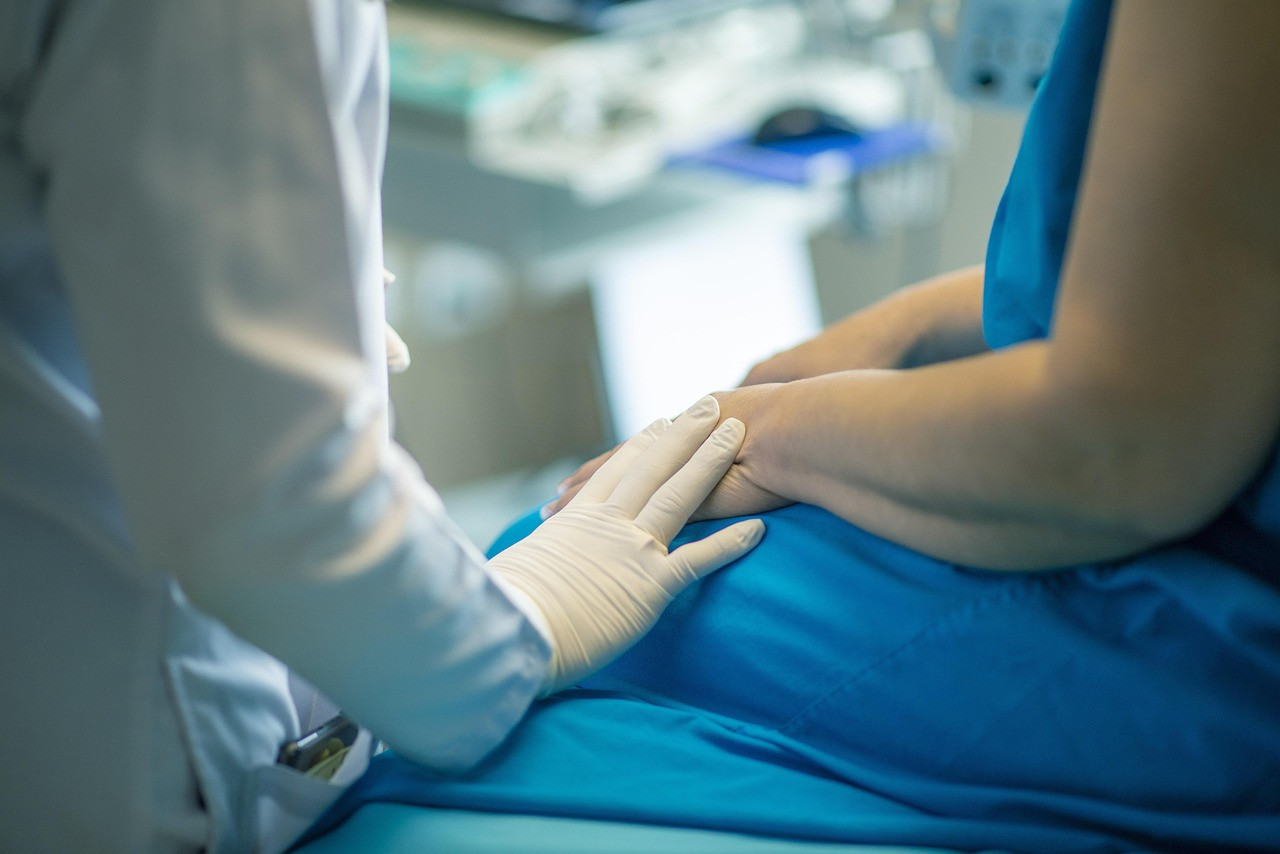
Representative image: fernandozhiminaicela / Pixabay
On 13 October 2026 the Ayush Ministry released standard guidelines for treating skin disorders such as psoriasis and vitiligo across Ayurveda, Siddha, Unani and Homoeopathy.
What Happened
The Ministry of Ayush on Tuesday, 13 October 2026, released Standard Treatment Guidelines for managing skin disorders across Ayurveda, Siddha, Unani and Homoeopathy, with Yoga included. The guidelines cover common conditions such as psoriasis, dermatitis, vitiligo, urticaria and dermatophytosis, a fungal skin infection. They were prepared by the Ayush Vertical of the Directorate General of Health Services under the Union Ministry of Health and Family Welfare, and were presented by Union Minister of State for Ayush Prataprao Jadhav and Ayush Secretary Vaidya Rajesh Kotecha.
Key Facts
- Release date: Tuesday, 13 October 2026, by the Ministry of Ayush.
- Systems covered: Ayurveda, Siddha, Unani and Homoeopathy, with Yoga.
- Conditions covered include psoriasis, dermatitis, vitiligo, urticaria (hives) and dermatophytosis (ringworm-type fungal infection).
- For each system, the document sets out approaches to prevention, diagnosis, treatment, follow-up care and rehabilitation.
- It was drawn up with experts from the Ayush research councils, senior academics from each system, Yoga specialists and specialists from modern medicine, through reviews of classical texts, evaluation of scientific evidence and consensus discussions.
- The guidelines are meant as a reference for practitioners, clinicians, researchers, teachers and policymakers.
Why It Matters
Skin conditions are among the most common reasons people visit any doctor, and many patients with long-running problems such as psoriasis or eczema-type dermatitis try traditional treatment at some point. Until now, how an Ayurveda, Siddha, Unani or Homoeopathy practitioner handled such a patient could vary a great deal from one clinic to the next. A national standard gives practitioners a common reference and gives patients a clearer idea of what care should look like.
The ministry has framed the document as a step towards evidence-based practice. Mr Jadhav said the guidelines would deepen the integration of Ayush systems with the national healthcare framework, and stressed that they combine traditional clinical approaches with contemporary scientific evidence. Mr Kotecha said they would bring greater uniformity to clinical practice and support rational decision-making.
The involvement of modern medicine specialists matters. Some skin conditions that look minor can need tests or specialist care. Guidelines drafted with input from both traditions are more likely to help practitioners recognise when a patient needs tests or referral, rather than treating every rash the same way.
For readers, the practical message is caution as much as choice. Standard guidelines are a framework for qualified practitioners, not a home remedy list. Anyone with a persistent, spreading or painful skin problem should see a registered practitioner, and should tell each doctor about any other treatment they are taking.
Impact
Short-term: Ayush hospitals, colleges and clinics now have a common national reference for treating the main skin disorders, which can feed into training and hospital protocols.
Long-term: Standard protocols make it easier to collect comparable data on outcomes, which is needed for building a stronger evidence base for Ayush treatments of skin disease.
Who is affected: Patients with chronic skin conditions, Ayush practitioners and students, government Ayush hospitals and dispensaries, and researchers in integrative medicine.
Key Takeaway
The Ayush Ministry's 13 October 2026 guidelines give Ayurveda, Siddha, Unani, Homoeopathy and Yoga practitioners a common national standard for treating psoriasis, vitiligo, dermatitis and other skin disorders.
Questions and Answers
What did the Ayush Ministry release on 13 October 2026?
Standard Treatment Guidelines for skin disorders, covering Ayurveda, Siddha, Unani and Homoeopathy, with Yoga, for conditions including psoriasis, dermatitis, vitiligo, urticaria and dermatophytosis.
Who prepared the guidelines?
The Ayush Vertical of the Directorate General of Health Services under the Union Health Ministry, with experts from Ayush research councils, academics from each system, Yoga specialists and modern medicine specialists.
Can patients use the guidelines to treat themselves?
No. They are a reference for qualified practitioners and policymakers. Patients with a persistent or worsening skin problem should consult a registered practitioner.
Why are standard guidelines important for traditional medicine?
They bring uniformity to how conditions are diagnosed and treated, and make it possible to compare outcomes across clinics, which helps build scientific evidence.
Disclaimer: Prepared by the Peepals newsroom from publicly available sources with AI assistance. Information is accurate to the best of our knowledge at the time of publication and may change. Images may be representative. Not professional advice. Report an error via our contact page.
Sourced and fact-checked by the Peepals Global Editorial Team
Sambalpur university collects nearly 1,000 palm-leaf manuscripts from Odisha villages
Times Square Durga Utsav honours six US groups that kept the puja going for 50 years
Reported, fact-checked and published by the Peepals Global Editorial Team.