
Divali in Trinidad: first festival under new 8-9 pm fireworks rule
 By Ishita SenCulture & Heritage Editor, Peepals Sanskriti
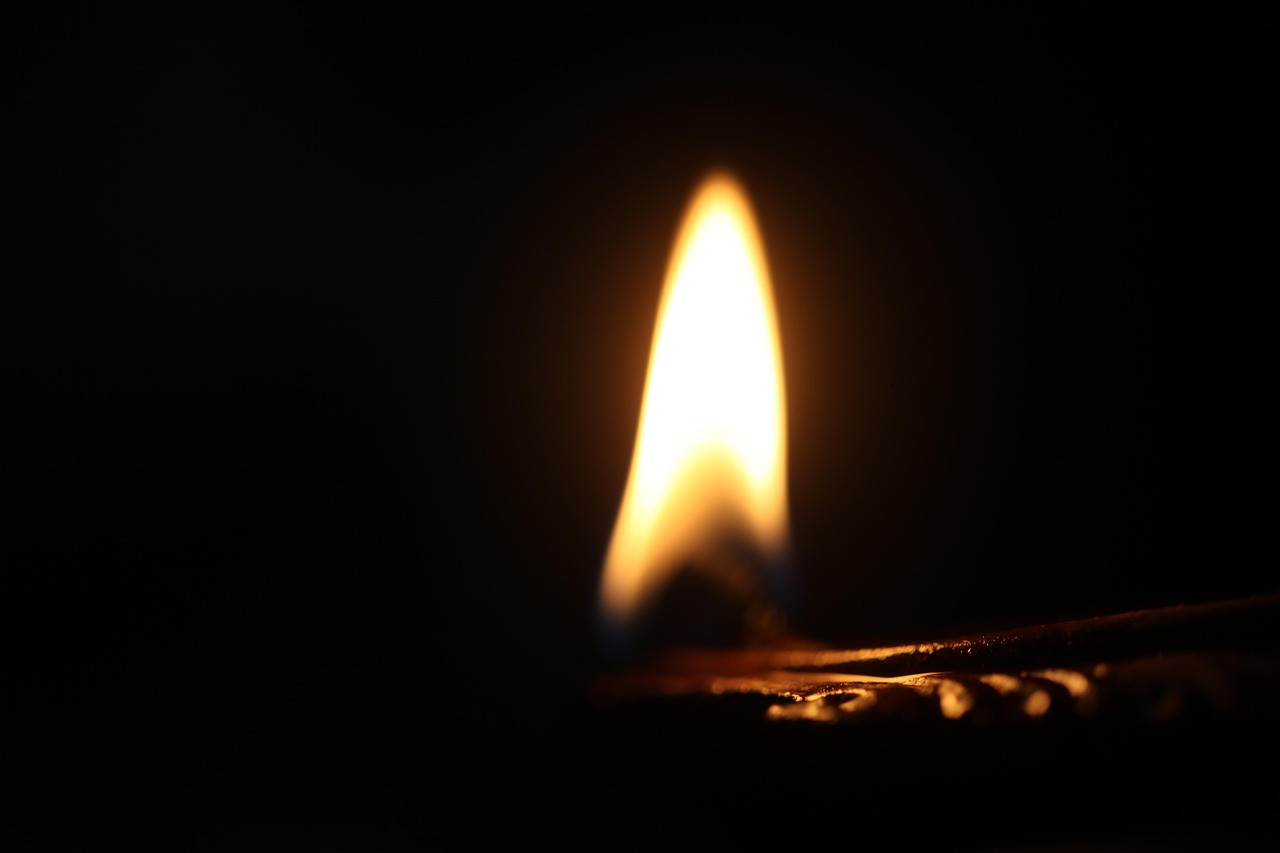
Representative image: sbtlneet / Pixabay
Trinidad marks Divali on 8 November 2026 under a law allowing permit-free fireworks only from 8 to 9 pm; the Divali Nagar closed on 7 November without fireworks.
What Happened
Divali in Trinidad and Tobago falls on Sunday, 8 November 2026, and it is the first Divali to be celebrated under the country's new fireworks law. On Friday, 6 November, Prime Minister Kamla Persad-Bissessar reminded residents that under the Summary Offences (Amendment) Act, 2025, fireworks may be set off without a police permit on a public holiday only between 8 pm and 9 pm, and asked people to think of neighbours, the elderly, children and animals. The country's best-known Divali gathering, the Divali Nagar run by the National Council of Indian Culture (NCIC), ended its nine-night programme on Saturday, 7 November, with fireworks banned at the site this year.
Key Facts
- Divali in Trinidad and Tobago falls on Sunday, 8 November 2026.
- The Summary Offences (Amendment) Act, 2025 took effect on 19 December 2025. It generally requires a permit from the Commissioner of Police to set off fireworks.
- The exceptions are public holidays between 8 pm and 9 pm, and Old Year's Night between 11.30 pm and 12.30 am.
- Even in those windows, fireworks are not allowed within half a mile of designated places, including hospitals, airports, zoos, registered animal shelters, farms where animals are reared, forest reserves and national parks.
- A permit application costs TT$100, and a breach carries a TT$450 fixed-penalty ticket, according to reports on the rules.
- The Divali Nagar ran from 30 October to 7 November 2026 under the theme "Viveka: Discerning Truth in the Age of AI", and the NCIC banned fireworks at the event.
Why It Matters
Divali in Trinidad and Tobago is a national occasion: the Prime Minister's office holds its own celebration, and state companies have in past years sponsored the Divali Nagar. How the festival is marked in the Caribbean is part of the story of Indian culture abroad, and it changes in response to local laws and public debate.
The 2025 amendment set out a middle path on fireworks: rather than a total ban, it narrowed the times and places where people can use them without a permit. This Divali is the first time the rule applies to the festival, because the law came into force two months after Divali 2025.
The NCIC's decision to ban fireworks at the Divali Nagar fits the same direction. The council said it wanted celebrations that the wider community could enjoy. Closing-night fireworks had historically been the Nagar's biggest draw, so the change is a visible break with past practice. The council paired it with a theme on discernment in the age of artificial intelligence, linking the ancient idea of viveka, the ability to tell truth from falsehood, to modern concerns about misinformation.
This year's Nagar also took place amid a public dispute over money. The NCIC put the cost of staging the event at about TT$5 million, and several state-controlled companies, including bmobile, Caribbean Airlines and the National Lotteries Control Board, did not sponsor it this year, according to reports. The Prime Minister defended those decisions, while the NCIC said claims that the government had cut all funding were not true.
Peepals timeline: The Summary Offences (Amendment) Act, 2025 came into force on 19 December 2025, two months after Divali 2025, which fell on 20 October. The 2026 Divali Nagar opened on 30 October 2026 with fireworks banned at the site. On 5 November, at the Office of the Prime Minister's own Divali celebration, Persad-Bissessar linked the festival's message of light over darkness to the duty of public officers to serve every community fairly. On 6 November she reminded the public of the fireworks rules, on 7 November the Nagar closed and her Divali message urged care, understanding and tolerance beyond the festival, and on 8 November the festival itself is marked.
| Rule | What it says |
|---|---|
| Permit | Needed from the Commissioner of Police, TT$100 application fee |
| Public holidays | No permit needed between 8 pm and 9 pm |
| Old Year's Night | No permit needed between 11.30 pm and 12.30 am |
| No-go zones | Half a mile from hospitals, airports, zoos, animal shelters, forests |
| Penalty | TT$450 fixed-penalty ticket |
Impact
Short-term: Families celebrating Divali on 8 November can light fireworks without a permit only in the one-hour window from 8 pm to 9 pm, and not near the listed sites. Police enforcement on the night will show how the new law works in practice.
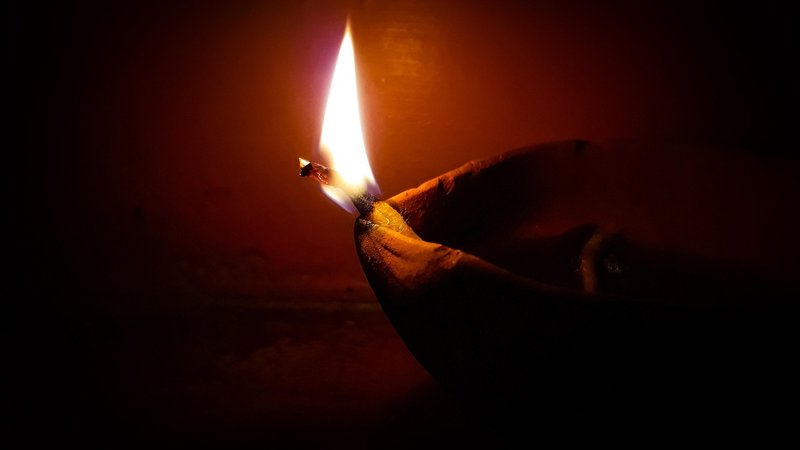
Long-term: If the rules hold through Divali and Old Year's Night, quieter celebrations centred on deyas, prayer and cultural programmes may become the norm. The Nagar's funding dispute may also shape how the festival is paid for in future years.
Who is affected: Hindu families and all who celebrate Divali in Trinidad and Tobago; pet owners, farmers and people near hospitals; fireworks sellers; and the NCIC and its sponsors.
Key Takeaway
Divali 2026 in Trinidad and Tobago is the first under a law that limits fireworks to 8 pm to 9 pm on public holidays without a permit, and the Divali Nagar closed on 7 November with fireworks banned.
Questions and Answers
When is Divali 2026 in Trinidad and Tobago?
Divali in Trinidad and Tobago falls on Sunday, 8 November 2026.
Can you set off fireworks for Divali in Trinidad without a permit?
Only on a public holiday between 8 pm and 9 pm, and not within half a mile of places such as hospitals, airports, zoos, animal shelters and forest reserves, under the Summary Offences (Amendment) Act, 2025.
What is the fine for breaking the fireworks rules in Trinidad and Tobago?
A breach carries a TT$450 fixed-penalty ticket, and a permit from the Commissioner of Police costs TT$100 to apply for, according to reports on the rules.
What was the theme of Divali Nagar 2026?
The theme was "Viveka: Discerning Truth in the Age of AI". The event ran from 30 October to 7 November 2026, and the National Council of Indian Culture banned fireworks at the site.
Disclaimer: Prepared by the Peepals newsroom from publicly available sources with AI assistance. Information is accurate to the best of our knowledge at the time of publication and may change. Images may be representative. Not professional advice. Report an error via our contact page.
By Ishita Sen, Culture & Heritage EditorCovers Culture & Heritage and more for Peepals Sanskriti. All stories by Ishita Sen
FSSAI festive drive: 3,280 tonnes of food seized, 52 licences cancelled
Qu Feng Huo Luo Dan: FDA warns seller over hidden steroid in herbal arthritis remedy
Get the day's stories in your inbox
Peepals Weekly: the week decoded, free. One email a week, unsubscribe in one click.
Ishita Sen is a pen name of the Peepals Global Editorial Team, which researches, fact-checks and publishes every story. The portrait is an illustration.