
White House Diwali 2026: Trump lights diya with Indian-American leaders
 By Ishita SenCulture & Heritage Editor, Peepals Sanskriti
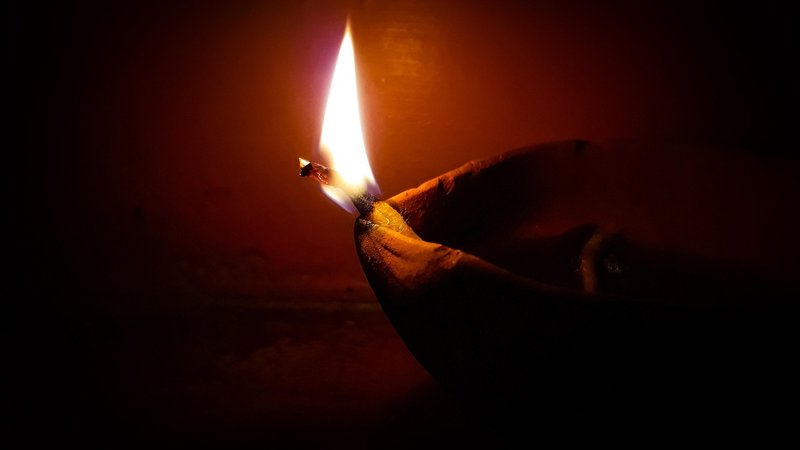
Representative image: vinnyspice / Pixabay
Donald Trump lit a diya in the Oval Office on 6 November 2026 to mark Diwali, with Indian-American leaders and Ambassador Vinay Mohan Kwatra present.
What Happened
US President Donald Trump marked Diwali at the White House on Friday, 6 November 2026, lighting a diya (oil lamp) in the Oval Office with Indian-American business and community leaders, according to reports. India's Ambassador to the United States, Vinay Mohan Kwatra, was among those present. The event came two days before the main day of Diwali, which falls on Sunday, 8 November 2026, and continued a tradition of Diwali observances at the White House that reports trace back to President George W Bush.
Key Facts
- Date and place: Friday, 6 November 2026, Oval Office, White House, Washington DC.
- The ceremony began with the President lighting a diya, which in the festival tradition symbolises the victory of light over darkness.
- Reported guests included IBM chief executive Arvind Krishna, Micron chief executive Sanjay Mehrotra, FBI Director Kash Patel and Indian Ambassador Vinay Mohan Kwatra.
- Entrepreneur Vishal Gondal presented the President with a copy of the Hanuman Chalisa, reports said.
- Trump also lit a diya in the Oval Office for Diwali on 21 October 2025.
- In 2009 Barack Obama became the first US President to personally light a diya at the White House, at a ceremony in the East Room, according to reports.
- No official White House statement on the 2026 event was found; details come from news reports.
Why It Matters
Diwali, the festival of lights, is celebrated by Hindus, Sikhs, Jains and some Buddhists, and has become one of the most visible markers of the Indian diaspora abroad. In the United States, Indian-Americans include prominent figures in technology, business and government. A Diwali event at the White House has become a recurring sign that the festival has a place in American public life.
The guest list reflects that standing. The chief executives of IBM and Micron, two major American technology companies, are Indian-Americans, as is the current FBI Director. Their presence alongside the Indian Ambassador shows how the festival now brings together diaspora leaders and official diplomacy. The gift of the Hanuman Chalisa, a devotional hymn to Lord Hanuman, adds a religious element that is part of the festival for many Hindu families.
For readers in India, the event is part of a wider story of how Diwali is observed abroad. According to tradition, Diwali celebrates the return of Lord Rama to Ayodhya and the triumph of good over evil; for many families it is also the day of Lakshmi Puja, the worship of the goddess of prosperity. Across the world this year, Indian communities have held public celebrations, from Trinidad and Tobago to the US Pacific Northwest, and the White House event adds the seat of the US presidency to that list.
The presence of India's Ambassador also gives the occasion a diplomatic side, alongside its meaning for the diaspora.
Peepals timeline: In 2009, Barack Obama became the first US President to personally light a diya at the White House, in the East Room, according to reports. On 21 October 2025, Donald Trump lit a diya in the Oval Office for Diwali. On Friday, 6 November 2026, he again lit a diya in the Oval Office, two days before the main Diwali day of Sunday, 8 November 2026.
| Year | Where | What happened |
|---|---|---|
| 2009 | East Room | First diya lit personally by a US President (Barack Obama) |
| 2025 | Oval Office | Trump lit a diya on 21 October |
| 2026 | Oval Office | Trump lit a diya on 6 November with Indian-American leaders |
Impact
Short-term: The event gives the Indian-American community a visible moment at the highest level of US government during the festival, and draws attention in India to Diwali's place abroad.
Long-term: Regular Diwali observances at the White House help make the festival a recognised part of the American calendar, alongside other religious and cultural occasions.
Who is affected: Indian-Americans and the wider Indian diaspora; Hindu, Sikh and Jain communities in the United States; and diplomats working on India-US relations.
Key Takeaway
Donald Trump lit a diya in the Oval Office on 6 November 2026 to mark Diwali with Indian-American leaders and India's Ambassador, continuing a long-running White House observance of the festival.
Questions and Answers
Did the White House celebrate Diwali in 2026?
Yes. According to reports, President Donald Trump lit a diya in the Oval Office on Friday, 6 November 2026, with Indian-American leaders and India's Ambassador Vinay Mohan Kwatra present.
Who attended the White House Diwali event in 2026?
Reported guests included IBM CEO Arvind Krishna, Micron CEO Sanjay Mehrotra, FBI Director Kash Patel and Ambassador Vinay Mohan Kwatra. Entrepreneur Vishal Gondal gifted the President a copy of the Hanuman Chalisa.
Which US President first lit a diya at the White House?
Barack Obama, in 2009, at a ceremony in the East Room, according to reports.
When is Diwali in 2026?
The main day of Diwali in 2026 is Sunday, 8 November.
Disclaimer: Prepared by the Peepals newsroom from publicly available sources with AI assistance. Information is accurate to the best of our knowledge at the time of publication and may change. Images may be representative. Not professional advice. Report an error via our contact page.
By Ishita Sen, Culture & Heritage EditorCovers Culture & Heritage and more for Peepals Sanskriti. All stories by Ishita Sen
Makhana in Assam fisheries: pilot in 30% of 186 AFDC beels
BharatGen AI pilot reads Sanskrit maths, astronomy and medicine texts
Get the day's stories in your inbox
Peepals Weekly: the week decoded, free. One email a week, unsubscribe in one click.
Ishita Sen is a pen name of the Peepals Global Editorial Team, which researches, fact-checks and publishes every story. The portrait is an illustration.