
FSSAI festive drive: 3,280 tonnes of food seized, 52 licences cancelled
 By Devansh TiwariKnowledge Systems Writer, Peepals Sanskriti
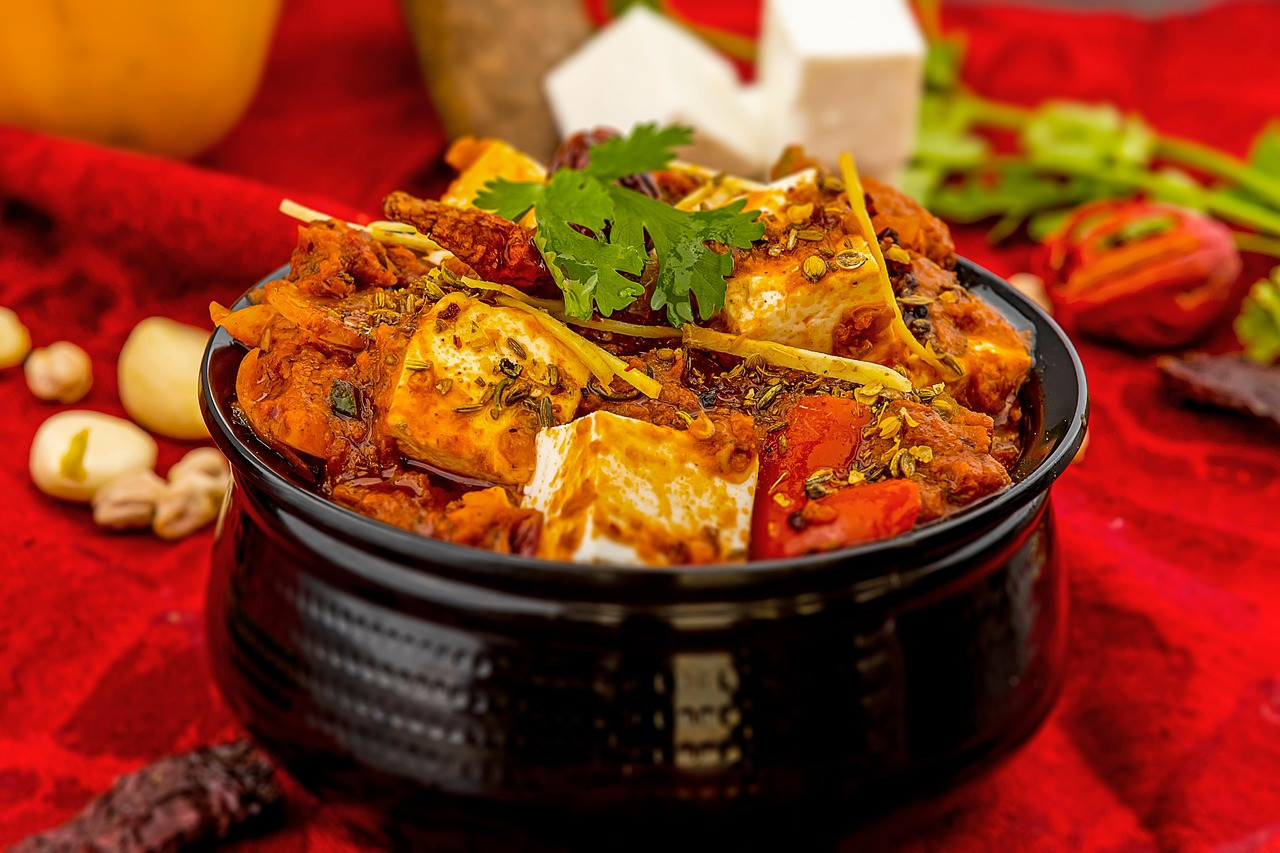
Representative image: Anilsharma26 / Pixabay
FSSAI's 1 September-5 November 2026 drive seized about 3,280 tonnes of food worth Rs 82 crore, including paneer, ghee and sweets; 2,273 samples failed.
What Happened
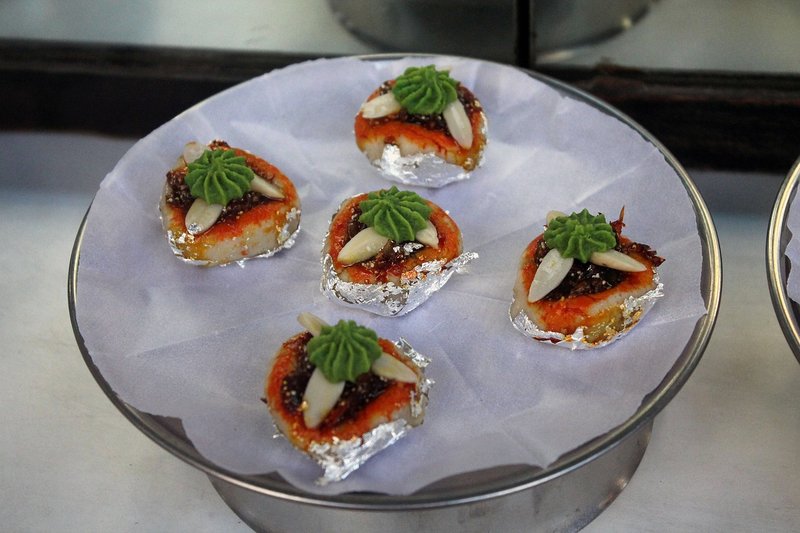
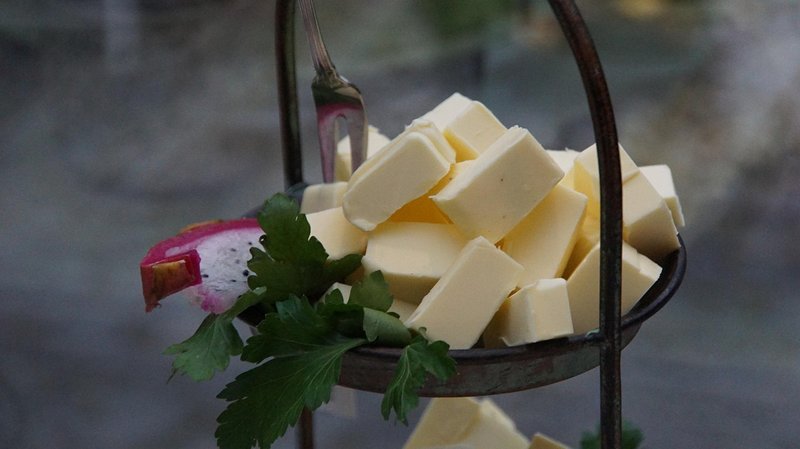
The Food Safety and Standards Authority of India (FSSAI) said on Saturday, 7 November 2026, that a nationwide enforcement drive it ran from Tuesday, 1 September to Thursday, 5 November 2026 led to the seizure of about 3,280 tonnes of food, worth roughly Rs 82 crore. During the festive-season drive, food safety officers inspected 56,431 food businesses across the country. The regulator cancelled 52 licences, suspended 1,133 and sealed more than 300 establishments. Paneer, ghee, milk and sweets, the staples of the Navratri-to-Deepavali season in Indian homes, were among the products seized.
Key Facts
- The drive ran for 66 days, from 1 September to 5 November 2026, and the results were announced on 7 November.
- 56,431 food establishments were inspected, according to the regulator.
- 43,939 food samples were collected; 23,648 had been analysed and 2,273 of those were found non-compliant.
- About 3,280 tonnes of food were seized (reported as 3,279.57 tonnes), with a value of about Rs 81.80 crore.
- 52 licences were cancelled and 1,133 suspended; 10,047 improvement notices were issued to food businesses.
- Reports of the sealed establishments differ slightly, at 312 and 314.
- The drive followed an FSSAI letter to states dated 29 September 2026 that called for "heightened surveillance and enforcement actions" against adulterated products such as milk products and sweets.
Why It Matters
In the Indian festive calendar, food is part of the ritual. Sweets are offered at the home shrine and shared with neighbours, ghee lights the diya and goes into prasad, and paneer and khoya fill the kitchens of every family preparing for guests. These are exactly the foods whose demand peaks between Navratri and Deepavali, and exactly the foods that adulterators target, because milk is short and prices rise. A national count from the food regulator puts a number on a problem that households have long suspected each festive season.
The figures also show how the checks work. Most of the action is corrective rather than punitive. More than 10,000 businesses received improvement notices, a step that asks them to put problems right. Suspensions came next, at more than 1,100, and cancellation, the strongest step, was used 52 times. Through September and October, state food safety departments also ran their own raids, from dairy checks in Punjab to sweet-shop inspections in Delhi and Maharashtra; those state figures cover different periods and are counted separately.
There is a gap in the numbers that matters for readers. Of the 43,939 samples collected, only 23,648 had been analysed when the results were announced. The rest were still with laboratories, so the final count of failed samples could rise.
For families keeping the festive traditions, the figures are a reason to know where their sweets, ghee and paneer come from. The regulator's own focus on milk products and sweets, set out in its letter to states in late September, shows which foods it considers most at risk at this time of year.
Peepals calculation: 2,273 failed samples out of 23,648 analysed means about one sample in ten failed (2,273 / 23,648 = 9.6%). Only about 54% of the samples collected had been tested by 5 November (23,648 / 43,939 = 53.8%). Over the 66-day drive, officers carried out about 855 inspections a day (56,431 / 66 = 855), and the seized food was worth about Rs 249 a kilogram on average (Rs 81.80 crore / 32,79,570 kg = Rs 249). Our calculation from the reported figures.
| Measure | Figure |
|---|---|
| Establishments inspected | 56,431 |
| Samples collected / analysed | 43,939 / 23,648 |
| Samples non-compliant | 2,273 |
| Food seized | about 3,280 tonnes, about Rs 82 crore |
| Licences cancelled / suspended | 52 / 1,133 |
Impact
Short-term: Businesses that lost or had their licences suspended cannot trade until they comply, and seized stock is held while lab tests are completed.
Long-term: Results from the roughly 20,000 samples still being tested will show how widespread the problem was this season.
Who is affected: Sweet shops, dairies, ghee and paneer makers, and every household that buys festive food from the market.
Key Takeaway
FSSAI's festive drive found about one in ten tested food samples non-compliant and seized about 3,280 tonnes of food, much of it paneer, ghee, milk and sweets.
Questions and Answers
How much food did FSSAI seize in its 2026 festive season drive?
About 3,280 tonnes, worth roughly Rs 82 crore, during a nationwide drive from 1 September to 5 November 2026. Paneer, ghee, milk and sweets were among the items seized.
How many food licences did FSSAI cancel or suspend?
The regulator cancelled 52 licences and suspended 1,133. It also sealed more than 300 establishments and issued 10,047 improvement notices.
How many food samples failed FSSAI's tests?
Of 43,939 samples collected, 23,648 had been analysed by the time results were announced, and 2,273 of those were non-compliant, about 9.6%.
Disclaimer: Prepared by the Peepals newsroom from publicly available sources with AI assistance. Information is accurate to the best of our knowledge at the time of publication and may change. Images may be representative. Not professional advice. Report an error via our contact page.
By Devansh Tiwari, Knowledge Systems WriterCovers Knowledge Systems and more for Peepals Sanskriti. All stories by Devansh Tiwari
Ayushman Arogya Mandirs to hold weekly yoga sessions, Health Secretary directs
Divali in Trinidad: first festival under new 8-9 pm fireworks rule
Get the day's stories in your inbox
Peepals Weekly: the week decoded, free. One email a week, unsubscribe in one click.
Devansh Tiwari is a pen name of the Peepals Global Editorial Team, which researches, fact-checks and publishes every story. The portrait is an illustration.