
Ghana's traditional medicine council shuts three herbal shops over expired licences
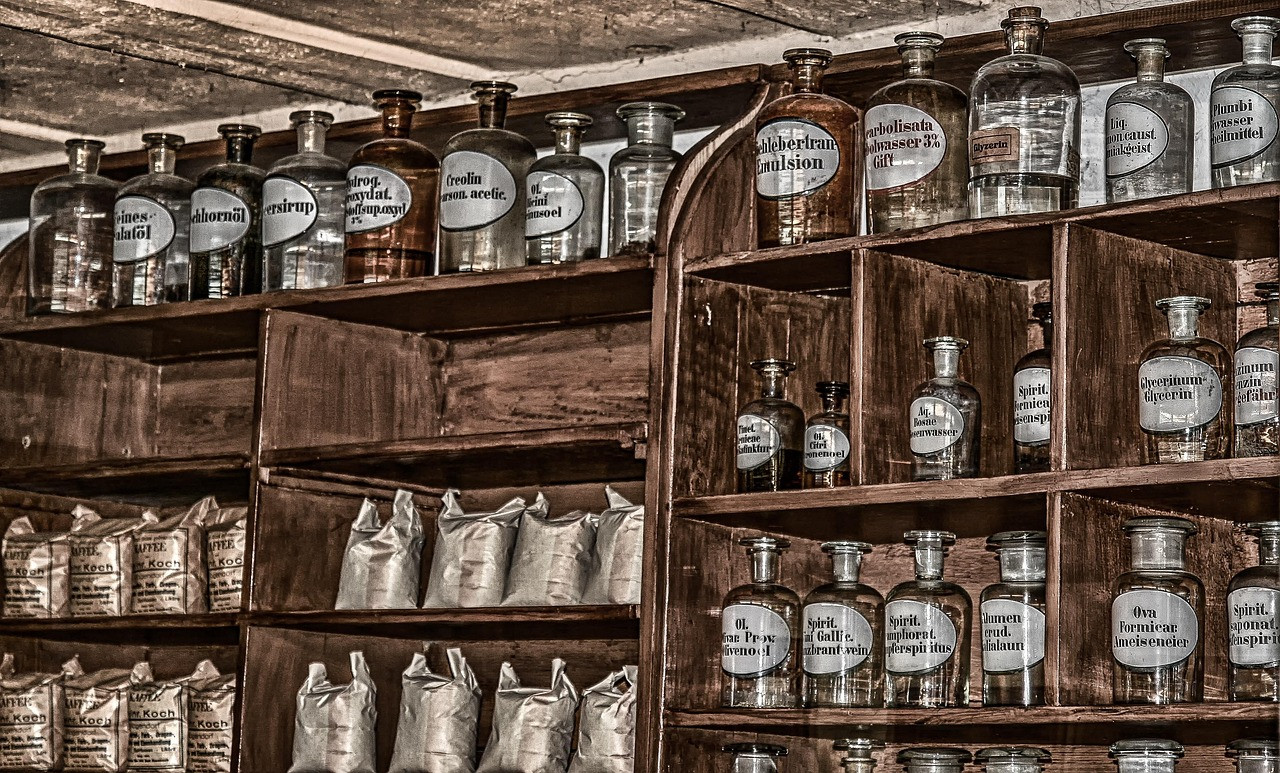
Representative image: analogicus / Pixabay
Ghana's Traditional Medicine Practice Council closed three herbal medicine shops in Cape Coast over expired licences, reports said around October 19-20, 2026, in a nationwide drive.
What Happened
Ghana's Traditional Medicine Practice Council (TMPC), the body that licenses herbal medicine practitioners and shops in the West African country, closed three herbal medicine shops in the coastal city of Cape Coast because their licences had expired, according to reports published around October 19 and 20, 2026. The shops named were Pennah Herbal Shop, Dank Natural Healthcare and God is Able Herbal Centre. A council compliance officer said some had traded for three to four years without renewing their licences, and that the closures are part of a nationwide enforcement drive.
Key Facts
- Regulator: the Traditional Medicine Practice Council (TMPC) of Ghana.
- Action: three herbal medicine shops in Cape Coast closed for operating with expired licences, as reported around October 19 to 20, 2026.
- Shops: Pennah Herbal Shop, Dank Natural Healthcare and God is Able Herbal Centre.
- Official's comments: TMPC compliance officer Nicholas Annan said some had operated for three to four years without renewing their licences.
- Wider drive: Annan said similar inspections are under way in other regions of Ghana.
- Reopening: the shops must renew their licences at the council's office, and follow-up inspections will check them before they can reopen.
- Earlier closures in 2026: Nana Boakye Herbal Centre in Tema in January, whose licence had expired eight years earlier, and Bibio Herbal Centre and My Redeemer Naturopathic Treatment Centre in the Madina and Ashaiman areas in February.
Why It Matters
In many countries, traditional and herbal medicine is used by large numbers of people, often alongside modern medicine. That raises the same question everywhere: how to make sure the practitioners and products people rely on meet basic standards. Ghana's answer is a dedicated council that licenses herbal medicine practitioners and outlets, and the Cape Coast closures show it enforcing the rule that licences must be kept up to date.
Licensing matters because it is how regulators know who is practising, what they are selling and whether they follow rules on hygiene, labelling and record-keeping. A shop that has not renewed its licence for years has, in effect, been outside the regulator's view for that time. The council's approach in this case is corrective rather than purely punitive: the shops can reopen once they renew their licences and pass follow-up inspections.
For readers in India, the case is a useful comparison. India regulates its traditional systems of medicine, Ayurveda, Yoga, Unani, Siddha and Homeopathy, through the Ministry of Ayush and statutory bodies that register practitioners and set standards for colleges and medicines. The debate in both countries is similar: how to protect patients and the credibility of traditional medicine without shutting out practitioners who serve communities. The Ghanaian drive is a reminder that keeping registration current is a basic part of that balance. No claims about the effectiveness of the products sold in the closed shops were made in the reports.
| | Detail | Ghana herbal shop closures | |
|---|---|
| | Regulator | Traditional Medicine Practice Council | |
| | Place | Cape Coast | |
| | Shops closed | 3 | |
| | Reason | expired licences | |
| | Earlier 2026 actions | Tema (January), Madina and Ashaiman (February) | |
Impact
Short-term: The three Cape Coast shops stay closed until they renew their licences and pass follow-up inspections. Herbal businesses in other regions of Ghana can expect inspections as the drive continues.
Long-term: Steady enforcement could improve compliance among herbal medicine businesses and strengthen public trust in licensed practitioners. It also adds to the record of how countries regulate traditional medicine, which international bodies and other governments, including India's, follow closely.
Who is affected: Herbal medicine sellers and practitioners in Ghana, their customers, the Traditional Medicine Practice Council, and people interested in how traditional medicine is regulated around the world.
Key Takeaway
Ghana's Traditional Medicine Practice Council closed three herbal shops in Cape Coast for trading on expired licences, part of a nationwide drive that shows how regulators keep traditional medicine within the rules.
Questions and Answers
Why were herbal shops closed in Cape Coast, Ghana?
Ghana's Traditional Medicine Practice Council closed three herbal medicine shops because their licences had expired, with some trading for three to four years without renewal, according to a council compliance officer.
Which shops were closed?
Pennah Herbal Shop, Dank Natural Healthcare and God is Able Herbal Centre in Cape Coast, according to the reports published around October 19 and 20, 2026.
Can the herbal shops reopen?
Yes. They must renew their licences at the council's office, and follow-up inspections will check them before they are allowed to reopen.
How does India regulate traditional medicine?
In India, traditional systems such as Ayurveda, Yoga, Unani, Siddha and Homeopathy come under the Ministry of Ayush, with statutory bodies that register practitioners and set standards for education and medicines.
Disclaimer: Prepared by the Peepals newsroom from publicly available sources with AI assistance. Information is accurate to the best of our knowledge at the time of publication and may change. Images may be representative. Not professional advice. Report an error via our contact page.
Sourced and fact-checked by the Peepals Global Editorial Team
Reported, fact-checked and published by the Peepals Global Editorial Team.