
BIS holds Ayush standards sessions in Belagavi and Leh on Ayurveda, Sowa-Rigpa
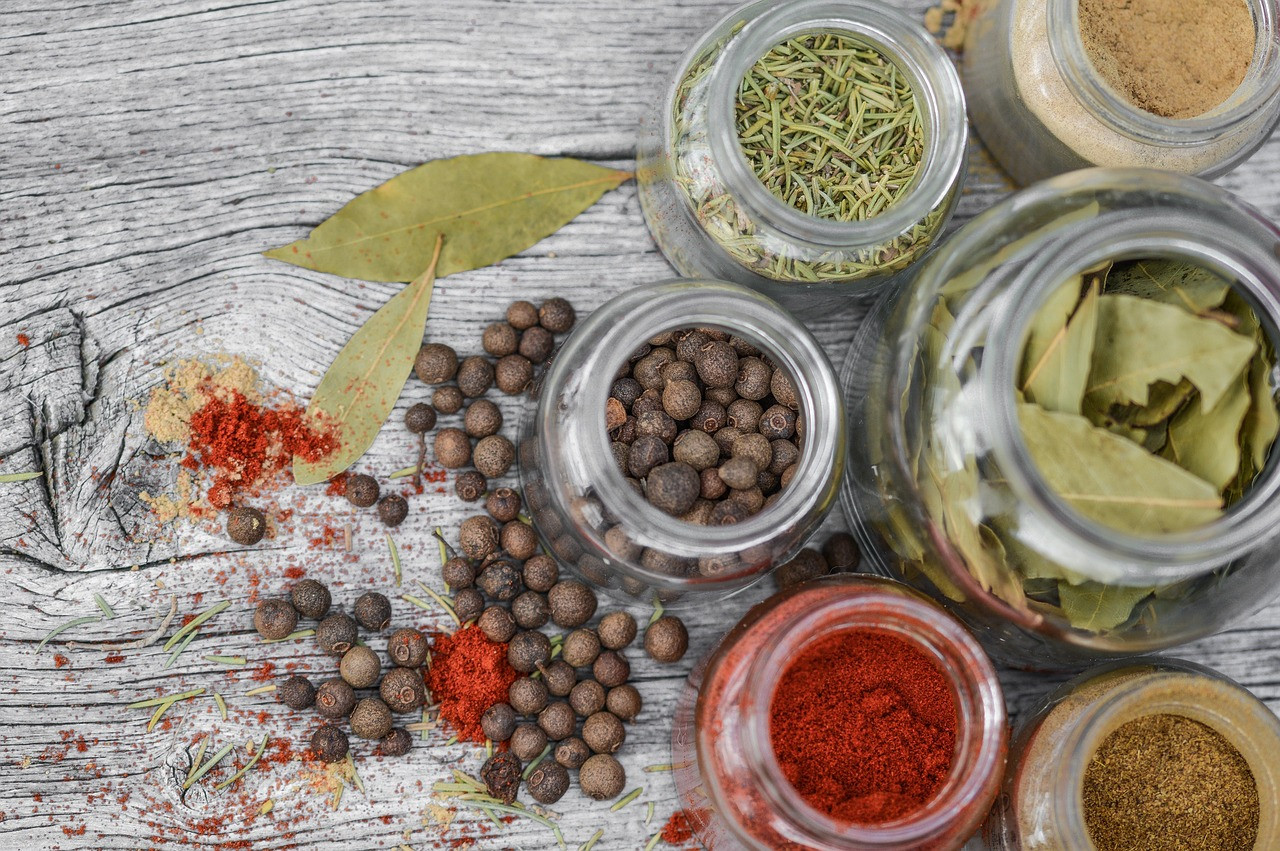
Representative image: monicore / Pixabay
The Bureau of Indian Standards held sessions in Belagavi and Leh in mid-October 2026 on common standards for Ayurveda, Yoga and Sowa-Rigpa, a government release said on October 19.
What Happened
The Bureau of Indian Standards (BIS), India's national standards body, held two national events in mid-October 2026 on setting common standards for traditional systems of medicine, according to a government release issued on October 19, 2026. In Belagavi, Karnataka, it ran a national seminar on standardisation in Ayurveda and Yoga, called PRAGATI 2026, with KLE Shri BMK Ayurveda Mahavidyalaya and KLE Academy, attended by around 600 participants. In Leh, Ladakh, it held a brainstorming session alongside the fifth meeting of its Sowa-Rigpa Sectional Committee. The events looked at standards across education, research, manufacturing and clinical practice.
Key Facts
- Organiser: the Bureau of Indian Standards, with support from Ayush bodies including the All India Institute of Ayurveda, NCISM, CCRAS and the Central Council for Research in Unani Medicine.
- Belagavi: national seminar PRAGATI 2026 on Ayurveda and Yoga standardisation, with KLE Shri BMK Ayurveda Mahavidyalaya and KLE Academy; around 600 participants.
- Leh: brainstorming session held with the fifth meeting of the BIS Sowa-Rigpa Sectional Committee.
- Topics included uniform terminology, educational benchmarks and clinical guidelines.
- The events were held between October 16 and 19, 2026; a government release on them was issued on October 19.
- BIS has a dedicated Ayush standardisation department and, according to its Director General, seven sectional committees, each for one Ayush system.
- In August 2026, CCRAS and BIS signed a memorandum of understanding on quality standards, conformity assessment and research for the Ayush sector.
Why It Matters
A standard is an agreed rule written down so that everyone uses the same definitions, methods and quality levels. In modern industry, standards decide everything from the size of a plug to the purity of a medicine. Traditional medicine has often lacked such shared rules: the same herb or preparation can be named, made and described differently from one region, college or company to another. That makes it harder to teach consistently, to test products, to compare research and to protect patients.
The topics on the table show where BIS is starting. Uniform terminology means agreeing on what each term, condition and preparation means, so that a prescription or a research paper is read the same way everywhere. Educational benchmarks set what a student or practitioner should know. Clinical guidelines describe how care should be delivered. Standards for manufacturing affect the quality and safety of medicines that people buy.
Sowa-Rigpa, the traditional Tibetan system of medicine practised in the Himalayan regions of India, including Ladakh, is among the systems covered by the Ministry of Ayush. Holding the Sowa-Rigpa committee meeting in Leh brings the standards work closer to the practitioners and communities that use it.
It is important to separate standards from evidence. A standard makes a product or practice consistent and describable; it does not by itself prove that a treatment works. Claims about health benefits still need properly designed scientific studies. Standards do, however, make that research easier and more reliable, because researchers can be sure they are testing the same thing.
| Place | Event | Focus |
|---|---|---|
| Belagavi, Karnataka | National seminar PRAGATI 2026 | Ayurveda and Yoga standards |
| Leh, Ladakh | Brainstorming session and fifth Sowa-Rigpa Sectional Committee meeting | Sowa-Rigpa standards |
Impact
Short-term: Inputs from teachers, researchers, manufacturers and practitioners at the two events will feed into the work of the BIS sectional committees as they draft or revise Indian Standards for these systems.
Long-term: Common standards can make Ayush education more uniform, help regulators and buyers judge product quality, and make it easier for Indian traditional medicine products to meet requirements in other countries. Their usefulness will depend on whether colleges, manufacturers and clinics adopt them.
Who is affected: Ayurveda, Yoga and Sowa-Rigpa practitioners and teachers, students at Ayush colleges, manufacturers of Ayush medicines, researchers, regulators, and patients who use these systems.
Key Takeaway
BIS's mid-October 2026 sessions in Belagavi and Leh pushed for common standards in Ayurveda, Yoga and Sowa-Rigpa, covering terminology, education, manufacturing and clinical practice, as a basis for consistent quality and research.
Questions and Answers
What did BIS do on Ayush standards in October 2026?
The Bureau of Indian Standards held a national seminar on Ayurveda and Yoga standardisation, PRAGATI 2026, in Belagavi, and a brainstorming session with its Sowa-Rigpa Sectional Committee meeting in Leh. A government release on the events was issued on October 19, 2026.
What is Sowa-Rigpa?
Sowa-Rigpa is the traditional Tibetan system of medicine practised in the Himalayan regions of India, including Ladakh. It is one of the systems covered by the Ministry of Ayush.
Why do Ayush systems need standards?
Standards give everyone the same definitions, methods and quality levels. For Ayush, they cover terminology, education, manufacturing and clinical practice, which helps consistent teaching, product quality and reliable research.
Do standards prove that Ayush treatments work?
No. Standards make products and practices consistent, but whether a treatment works must be shown by properly designed scientific studies.
Disclaimer: Prepared by the Peepals newsroom from publicly available sources with AI assistance. Information is accurate to the best of our knowledge at the time of publication and may change. Images may be representative. Not professional advice. Report an error via our contact page.
Sourced and fact-checked by the Peepals Global Editorial Team
Brihattar Bharat conference marks Greater India Society centenary in Delhi
Dussehra 2026: why Bisrakh village prays for Ravan instead of burning him
Reported, fact-checked and published by the Peepals Global Editorial Team.