
Ayush ministry marks World Menopause Day 2026, says Ayurveda remedies still under study
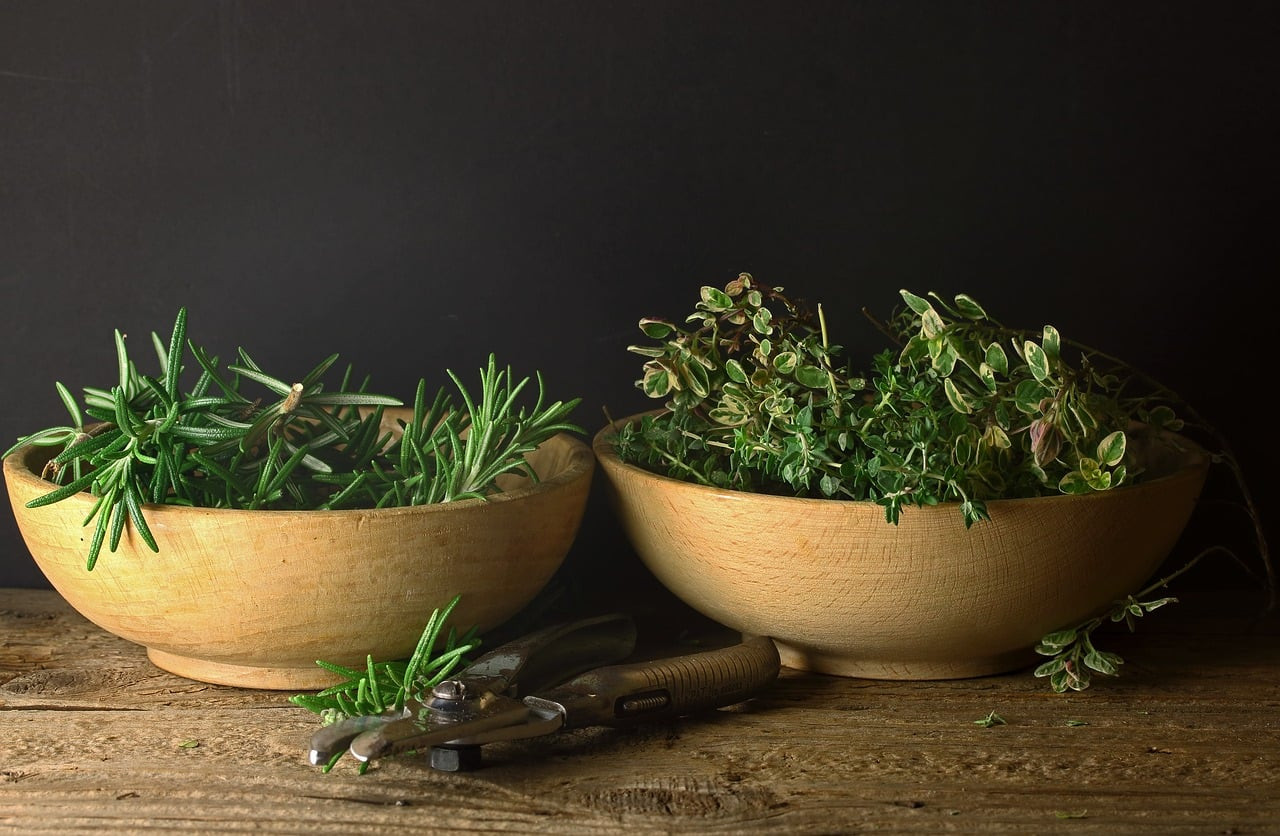
Representative image: Bluesnap / Pixabay
On October 18, 2026, the Ayush ministry urged preventive menopause care via CCRAS and said classical Ayurvedic remedies are still being tested for safety and effect.
What Happened
The Ministry of Ayush marked World Menopause Day on October 18, 2026, with a public awareness message on menopause and women's health, carried out through the Central Council for Research in Ayurvedic Sciences (CCRAS), its Ayurveda research body. The ministry said its focus is on preventive care, healthy daily habits and treatment fitted to the individual woman. CCRAS Director General Prof. Rabinarayan Acharya said the council is studying classical Ayurvedic formulations to judge whether they can help with menopausal health, and the ministry acknowledged that scientific research is still needed to establish how safe and effective these approaches are.
Key Facts
- Occasion: World Menopause Day, observed every year on October 18; the 2026 message was tied to that date.
- Lead agency: the Central Council for Research in Ayurvedic Sciences, which works under the Ministry of Ayush.
- Who spoke: Ayush Secretary Vaidya Rajesh Kotecha stressed prevention, healthy lifestyle practices and individualised treatment; CCRAS Director General Prof. Rabinarayan Acharya spoke about ongoing research.
- Formulations named: Ashokarishta, Lodhrasava and Amalaki Rasayana, all classical Ayurvedic preparations.
- Research areas mentioned: hormonal balance, bone density and emotional resilience during and after menopause.
- Approach described: Rasayana (rejuvenation) therapy, diet guidance, counselling, yoga and herbal medicines, along with avoiding alcohol, smoking, and heavy, pungent or salty food.
- Evidence status: the ministry itself said research is still needed on the safety and effectiveness of these approaches.
Why It Matters
Menopause usually arrives between the ages of 45 and 55. The ministry's message listed the common symptoms: irregular periods, hot flushes, vaginal dryness, poor sleep, mood swings, joint pain and anxiety. A government body talking about menopause in plain terms, on a fixed day each year, helps make it an ordinary health topic rather than a private embarrassment.
The message also shows how the Ayush system is trying to position itself. Ayurveda describes menopause as a natural stage of life, a transition rather than a disease, and the ministry built its message around that idea: support the body through diet, rest, exercise, stress control and, where a practitioner advises it, traditional preparations. Much of this lifestyle advice overlaps with what doctors generally suggest as a first step.
Where tradition and evidence part ways is on the medicines. Ashokarishta, Lodhrasava and Amalaki Rasayana have been used in Ayurvedic practice for women's health for a long time, but long use is not the same as proof from controlled trials. CCRAS says it is running studies to test them, and the ministry openly said that safety and effectiveness still have to be shown. That admission matters. It tells readers that these remedies are under study, not proven treatments, and that no one should stop or skip a doctor's advice on the strength of an awareness message.
The 2026 message also continues a pattern. On World Menopause Day 2025, CCRAS issued a similar statement that named Ashokarishta and Amalaki Rasayana and said it was working to validate such classical formulations. A year later, the research is still described as ongoing, and no trial results were announced alongside this year's message. Published CCRAS data would be the real test.
| Element | What the ministry said | Evidence status |
|---|---|---|
| Lifestyle (diet, sleep, avoiding alcohol and smoking) | Core of preventive care | Overlaps with general medical advice |
| Yoga and stress reduction | Recommended for emotional balance | Common general wellness advice; not a treatment |
| Classical formulations (Ashokarishta, Lodhrasava, Amalaki Rasayana) | Under research by CCRAS | Not yet established; ministry says more research is needed |
Impact
Short-term: The campaign raises awareness in the days around World Menopause Day, and women who use Ayush services may hear more about menopause care at government Ayurveda clinics and wellness centres. It does not change any treatment rule, approve any medicine or launch a new scheme.
Long-term: If CCRAS publishes good-quality trial results on these formulations, doctors and patients will have a firmer basis to decide whether they help, and which women they help. If the evidence does not appear, the message will remain one of lifestyle advice wrapped in traditional language.
Who is affected: Women approaching or going through menopause and their families; Ayurveda practitioners who advise them; and researchers and regulators who will judge the evidence when it arrives. Women with heavy bleeding, severe symptoms or other conditions should still see a qualified doctor, since some symptoms around this age need proper medical checks.
Key Takeaway
The Ayush ministry used World Menopause Day 2026 to urge preventive, lifestyle-led care for women in mid-life, while admitting that the classical Ayurvedic medicines it named are still being studied and are not proven treatments.
Questions and Answers
What did the Ayush ministry say on World Menopause Day 2026?
On October 18, 2026, the Ministry of Ayush, through its research council CCRAS, called for awareness of menopause, preventive care, healthy habits and treatment tailored to each woman. It said CCRAS is studying classical Ayurvedic formulations for menopausal health and that their safety and effectiveness still need research.
Which Ayurvedic medicines were mentioned for menopause?
The message named Ashokarishta, Lodhrasava and Amalaki Rasayana. CCRAS says it is researching whether they help with hormonal balance, bone density and emotional resilience. They have not been proven in this role, so they should not replace advice from a qualified doctor.
Does this mean Ayurveda can treat menopause symptoms?
Not on current evidence. The ministry described the approach as supportive care built on diet, yoga, rest and avoiding alcohol, smoking and heavy food, with traditional medicines under study. It openly said that more scientific research is needed before their safety and effectiveness can be confirmed.
At what age does menopause usually happen, and what are the common symptoms?
Menopause usually happens between 45 and 55. Common symptoms include irregular periods, hot flushes, vaginal dryness, sleep problems, mood changes, joint pain and anxiety. Anyone with unusually heavy bleeding or severe symptoms should get a medical check-up.
Disclaimer: Prepared by the Peepals newsroom from publicly available sources with AI assistance. Information is accurate to the best of our knowledge at the time of publication and may change. Images may be representative. Not professional advice. Report an error via our contact page.
Sourced and fact-checked by the Peepals Global Editorial Team
Sharad Purnima 2026 on October 25: tithi, moonrise and the kheer tradition
Muslim artists from Meerut build Shimla's Jakhu Ravan effigies, as for 20 years
Reported, fact-checked and published by the Peepals Global Editorial Team.