Beijing traditional medicine meet: 97 countries back science-led integration
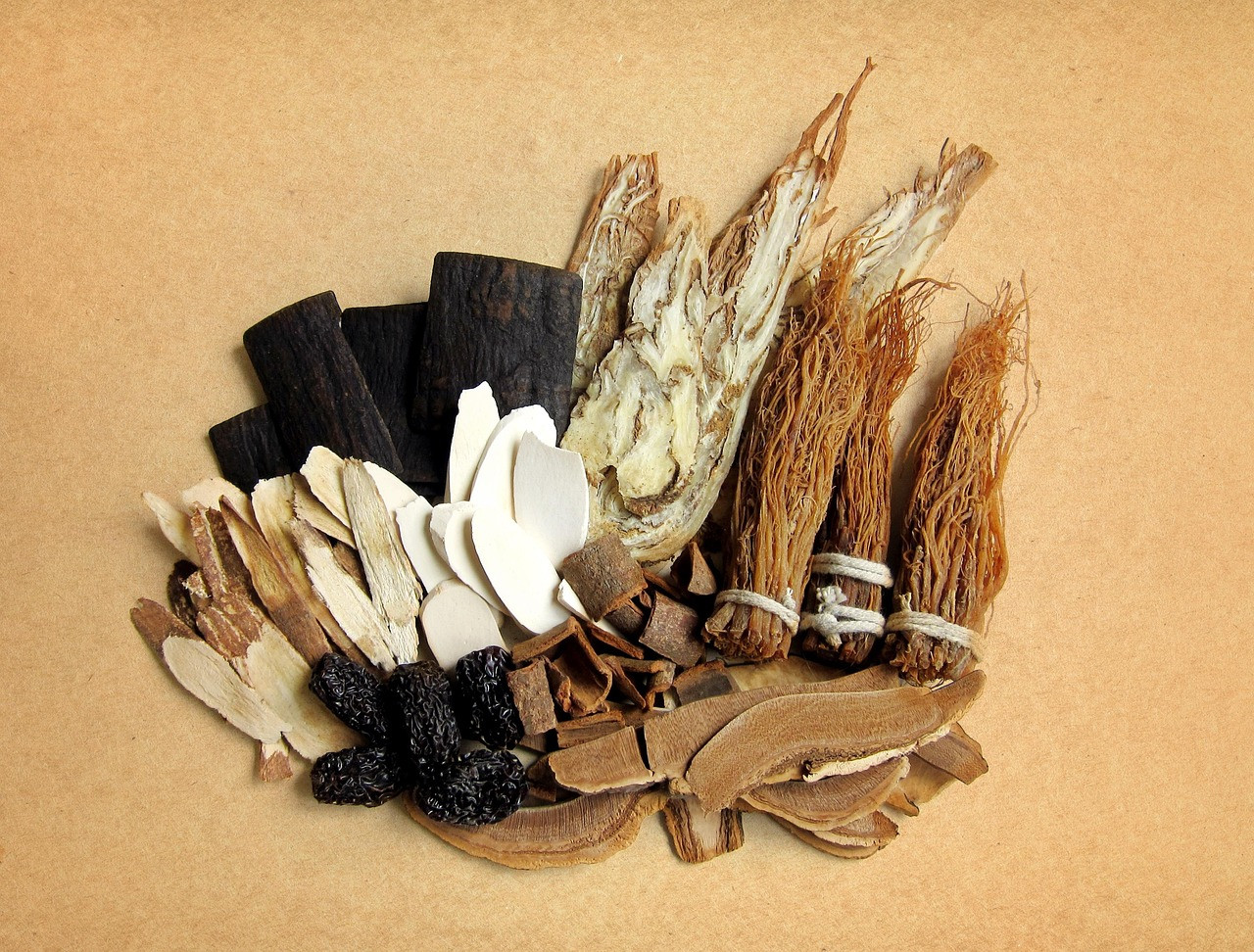
Representative image: vivi14216 / Pixabay
The World Conference on Traditional Medicine in Beijing on October 17-18, 2026 drew 97 countries; China's Premier urged science-based integration under WHO's strategy.
What Happened
The World Conference on Traditional Medicine 2026 was held in Beijing on October 17 and 18, 2026, bringing together representatives from 97 countries and regions, according to Chinese state media. Chinese Premier Li Qiang opened the meeting on October 17 and called on countries to implement the World Health Organization's Global Traditional Medicine Strategy 2025-2034, to bring traditional medicine into national health systems, and to use artificial intelligence and other modern tools to test traditional remedies scientifically. The conference had eight parallel forums, on topics including evidence-based research, international standards, drug regulation and AI.
Key Facts
- Dates and venue: October 17 and 18, 2026, at the China National Convention Center in Beijing.
- Participation: representatives from 97 countries and regions, with about 1,200 participants at the opening ceremony, according to Chinese state media.
- Theme: technology empowerment and integrated development, with the aim of advancing traditional medicine for all.
- WHO strategy: Premier Li Qiang urged countries to carry out the WHO Global Traditional Medicine Strategy 2025-2034 and to integrate traditional medicine into health systems, with extra support for developing countries.
- Evidence and technology: he called for AI, biomedicine and digital tools to help turn traditional remedies into evidence-based treatments, and said China will push the digital transformation of traditional Chinese medicine.
- Medicinal plants: he called for cooperation on conserving medicinal resources, intellectual property and mutual recognition of professional qualifications, and said China is willing to work on a medicinal resource conservation centre under its Belt and Road programme.
- Other delegations: Myanmar's Health Minister, Dr Soe Win, spoke at a government forum and a ministerial roundtable on conserving medicinal plants, according to Myanmar state television.
Why It Matters
Traditional medicine systems such as traditional Chinese medicine, Ayurveda, Unani and Siddha are used by large numbers of people around the world, often alongside modern medicine. Governments are now trying to decide how far to bring them into public health systems, and on what evidence. The WHO's strategy for 2025-2034 sets that agenda: broadly, it asks countries to build the evidence base for traditional practices, regulate products and practitioners, and integrate safe and effective practices into health services.
The Beijing conference shows China positioning itself as a leader in that effort, with a strong focus on technology. The emphasis on testing remedies scientifically is important. Belief in a remedy's tradition is not proof that it works; clinical trials and quality standards are what allow regulators and doctors to judge safety and effect. Calls to use AI to analyse traditional formulations and data are a sign of where research funding and partnerships may go.
For India, the conference is relevant because India is one of the main voices in global traditional medicine. New Delhi hosted the Second WHO Global Summit on Traditional Medicine in December 2025, where India's Ministry of Ayush held bilateral talks with about 16 countries, according to the ministry. The third WHO summit is due to be hosted by Thailand in November 2027. The conservation of medicinal plants is also a shared concern, since Ayurveda and Unani rely heavily on medicinal plants.
The conference's statements are policy positions, not medical findings. No new treatment was approved at the meeting, and readers should not take any traditional remedy as a substitute for medical advice.
| Item | Detail |
|---|---|
| Event | World Conference on Traditional Medicine 2026 |
| Dates | October 17 and 18, 2026 |
| Place | Beijing, China |
| Countries and regions | 97 |
| Key call | Implement WHO strategy 2025-2034; test remedies with modern science |
Impact
Short-term: Outcome documents and forum results from the conference are expected to shape China's international partnerships in traditional medicine, including on medicinal plant conservation and the use of AI.
Long-term: Wider adoption of the WHO strategy could lead to more clinical research, common standards and regulation for traditional medicine products worldwide, which would affect how Ayush products are tested and traded internationally.
Who is affected: Practitioners and researchers in traditional medicine systems, including Ayush in India; health regulators; medicinal plant growers and collectors; and patients who use traditional remedies.
Key Takeaway
At the World Conference on Traditional Medicine in Beijing on October 17-18, 2026, attended by 97 countries and regions, China's Premier urged countries to implement the WHO's 2025-2034 strategy and use modern science to test traditional remedies.
Questions and Answers
What was the World Conference on Traditional Medicine 2026?
It was an international meeting held in Beijing on October 17 and 18, 2026, with representatives from 97 countries and regions, to discuss research, standards, regulation and the use of AI in traditional medicine.
What did China's Premier Li Qiang say at the conference?
He called on countries to implement the WHO Global Traditional Medicine Strategy 2025-2034, integrate traditional medicine into health systems, use AI and digital tools to build evidence for remedies, and cooperate on conserving medicinal resources.
What is the WHO Global Traditional Medicine Strategy 2025-2034?
It is the WHO's plan for the next decade that asks countries to build evidence on traditional medicine, regulate products and practitioners, and integrate safe and effective practices into their health services.
How is India involved in global traditional medicine efforts?
India hosted the Second WHO Global Summit on Traditional Medicine in New Delhi in December 2025, where the Ministry of Ayush held talks with about 16 countries. The third summit is due in Thailand in November 2027.
Disclaimer: Prepared by the Peepals newsroom from publicly available sources with AI assistance. Information is accurate to the best of our knowledge at the time of publication and may change. Images may be representative. Not professional advice. Report an error via our contact page.
Sourced and fact-checked by the Peepals Global Editorial Team
Srinagar Dussehra: Kashmiri Pandits, tourists watch Ravan Dahan together
Delhi tests 59 desi ghee samples: 19 unsafe, four substandard
Reported, fact-checked and published by the Peepals Global Editorial Team.