
NIA Panchkula gets nod for 14 Ayurveda PG courses with 70 seats
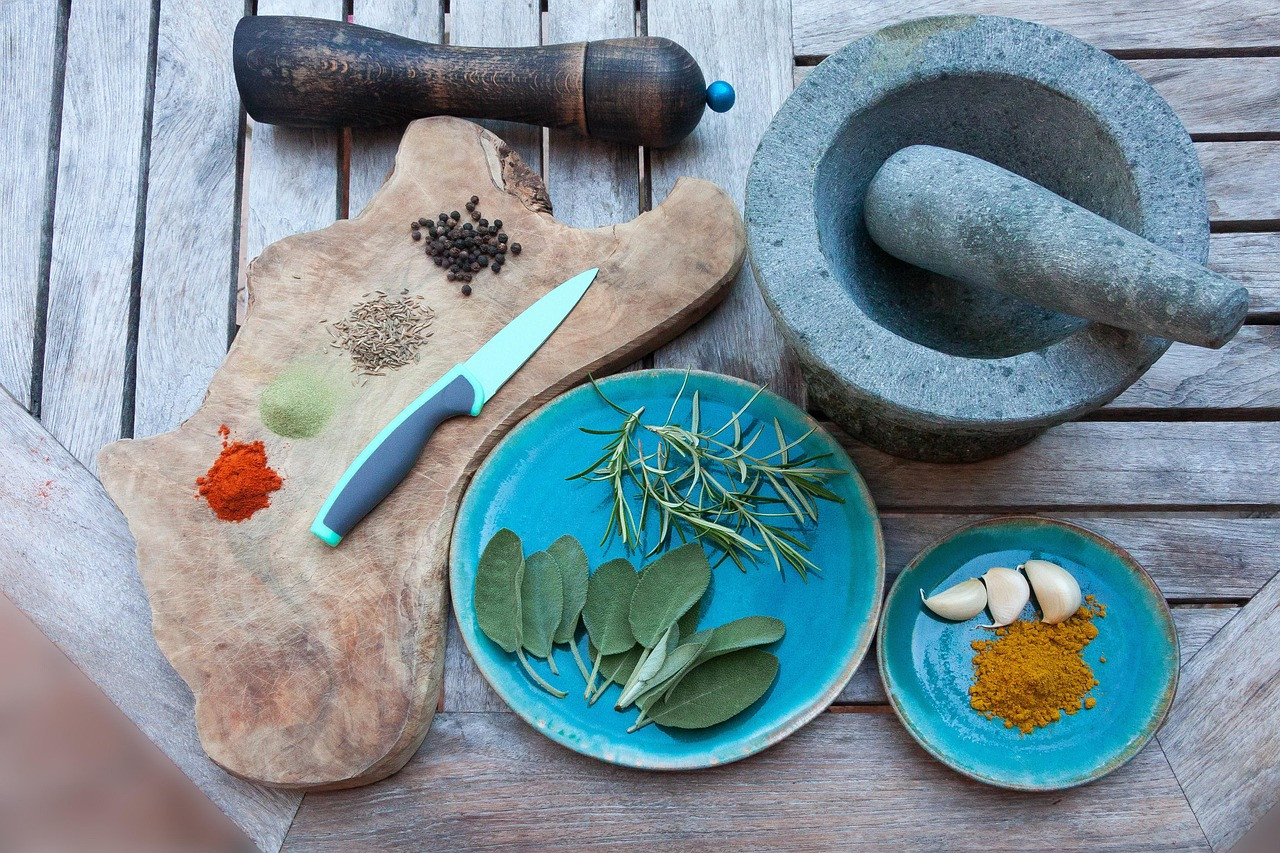
Representative image: stux / Pixabay
NCISM has allowed the National Institute of Ayurveda's Panchkula campus to start 14 postgraduate courses with 70 seats from 2026-27, it was reported on October 14, 2026.
What Happened
The National Institute of Ayurveda (NIA) campus at Panchkula in Haryana has received permission to start postgraduate Ayurveda courses in 14 subjects, with five seats in each, or 70 seats in all, from the 2026-27 academic session. The National Commission for Indian System of Medicine (NCISM), which regulates Ayurveda education in India, issued a Letter of Permission for the courses, the institute said, as reported on Wednesday, October 14, 2026. The Panchkula campus runs as an off-campus centre of the deemed university of the same name in Jaipur.
Key Facts
- The NCISM has issued a Letter of Permission for 14 postgraduate disciplines at NIA Panchkula.
- Five seats have been sanctioned in each discipline, making 70 postgraduate seats in total.
- The courses begin with the 2026-27 academic session.
- NIA Panchkula is an off-campus centre of the National Institute of Ayurveda, a deemed university based in Jaipur, Rajasthan.
- The campus already offers 100 seats in the Bachelor of Ayurvedic Medicine and Surgery (BAMS) degree.
- In Shalakya Tantra, three of the five seats are for ear, nose and mouth diseases and two for eye diseases.
- Counselling for admissions to the 2026-27 batch was under way when the approval was reported.
Why It Matters
Until now, students at Panchkula could study only for the undergraduate BAMS degree there. With postgraduate departments in place, the campus will have resident scholars working in its hospital and clinics, which usually adds to the specialist services a teaching hospital can offer patients. Vice-Chancellor Prof. Sanjeev Sharma said the new courses would give fresh momentum to higher education in Ayurveda. Dean-in-charge Prof. Satish Gandharva said the Panchkula campus was growing into a centre for Ayurveda teaching, treatment and research in North India.
The approval covers almost every branch of the Ayurveda curriculum. These include subjects that match modern basic sciences, such as Rachana Sharir (anatomy), Kriya Sharir (physiology) and Roga Nidana and Vikriti Vigyan (diagnosis and pathology), and clinical subjects such as Kayachikitsa (general medicine), Kaumarbhritya (care of children), Prasuti Tantra and Stri Roga (obstetrics and gynaecology), Shalya Tantra (surgery) and Shalakya Tantra (diseases of the eye, ear, nose and throat). The others are Ayurveda Samhita, Siddhanta and Sanskrit (the study of the classical texts), Dravyaguna Vigyan (medicinal plants), Rasashastra and Bhaishajya Kalpana (preparation of Ayurvedic medicines), Agad Tantra and Vidhi Vaidyaka (toxicology and medical law), Swasthavritta and Yoga (preventive health), and Panchakarma (a set of cleansing procedures described in the classical texts).
Postgraduate training matters for the evidence side of Ayurveda too. Every postgraduate student must complete a research dissertation, and teaching hospitals generate the clinical records that later studies draw on. That research is how the system's traditional claims can be tested; the classical texts describe treatments, but whether they work for a given condition is a question for controlled studies, not for the texts alone.
| Item | Before | After approval |
|---|---|---|
| Courses at NIA Panchkula | BAMS (undergraduate) | BAMS plus 14 postgraduate subjects |
| Postgraduate seats | None | 70 (5 per subject) |
| Session | Not applicable | From 2026-27 |
Impact
Short-term: The 70 seats add to the pool of government postgraduate Ayurveda seats for the 2026-27 admission cycle. Students who qualify through the national postgraduate entrance and counselling process will be able to choose the Panchkula campus. The institute will need to fill teaching posts and set up postgraduate departments to run the courses.
Long-term: Over the next few years, the campus is expected to produce specialists and teachers in each of the 14 subjects, a supply that Ayurveda colleges and government Ayush hospitals depend on. Dissertations and hospital records from the new departments can add to the research base the sector needs if its treatments are to be judged on evidence.
Who is affected: BAMS graduates seeking postgraduate seats, especially in Haryana, Punjab, Himachal Pradesh, Chandigarh and nearby states; patients who use the campus hospital; Ayurveda colleges looking for qualified teachers; and the Ministry of Ayush, which funds the national institutes.
Key Takeaway
The NCISM's permission for 14 postgraduate subjects with 70 seats turns NIA's Panchkula campus from an undergraduate college into a full postgraduate Ayurveda centre for North India from the 2026-27 session.
Questions and Answers
How many postgraduate seats will NIA Panchkula have?
It will have 70 postgraduate seats, five in each of 14 Ayurveda subjects, starting with the 2026-27 academic session, under a Letter of Permission issued by the National Commission for Indian System of Medicine.
Is NIA Panchkula a separate university?
No. It is an off-campus centre of the National Institute of Ayurveda, a deemed university based in Jaipur, so its degrees are awarded through the Jaipur institute.
Which subjects can be studied at the postgraduate level in Panchkula?
The 14 subjects include Kayachikitsa (general medicine), Panchakarma, Shalya Tantra (surgery), Shalakya Tantra (eye, ear, nose and throat), Kaumarbhritya (care of children), Prasuti Tantra and Stri Roga (obstetrics and gynaecology), Dravyaguna Vigyan (medicinal plants) and Swasthavritta and Yoga (preventive health), among others.
Who regulates Ayurveda postgraduate courses in India?
The National Commission for Indian System of Medicine (NCISM) sets standards for Ayurveda, Unani, Siddha and Sowa-Rigpa education and grants permission to colleges to start or expand courses.
Disclaimer: Prepared by the Peepals newsroom from publicly available sources with AI assistance. Information is accurate to the best of our knowledge at the time of publication and may change. Images may be representative. Not professional advice. Report an error via our contact page.
Sourced and fact-checked by the Peepals Global Editorial Team
Reported, fact-checked and published by the Peepals Global Editorial Team.