
Gyan Bharatam survey tops 1.26 crore manuscripts; AI tools shown to SCO
 By Devansh TiwariKnowledge Systems Writer, Peepals Sanskriti
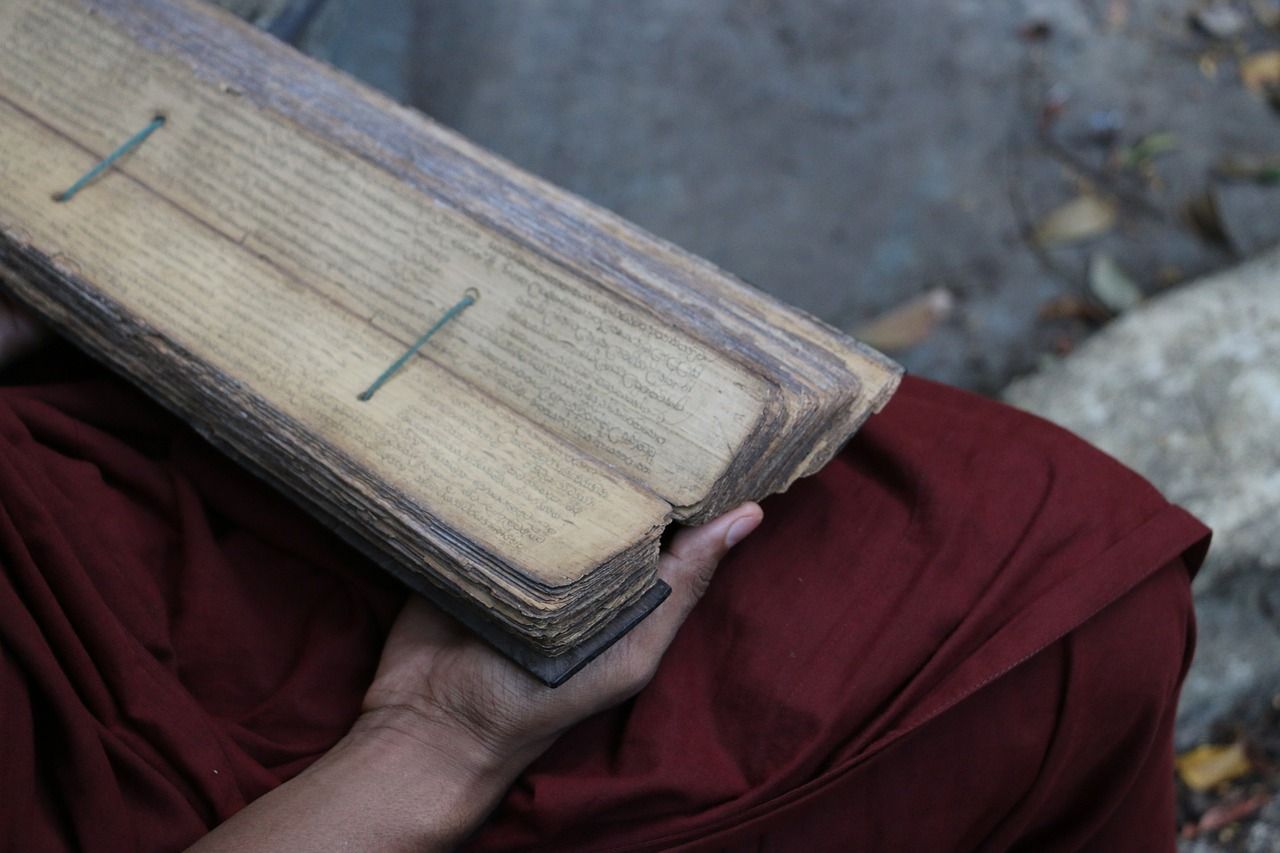
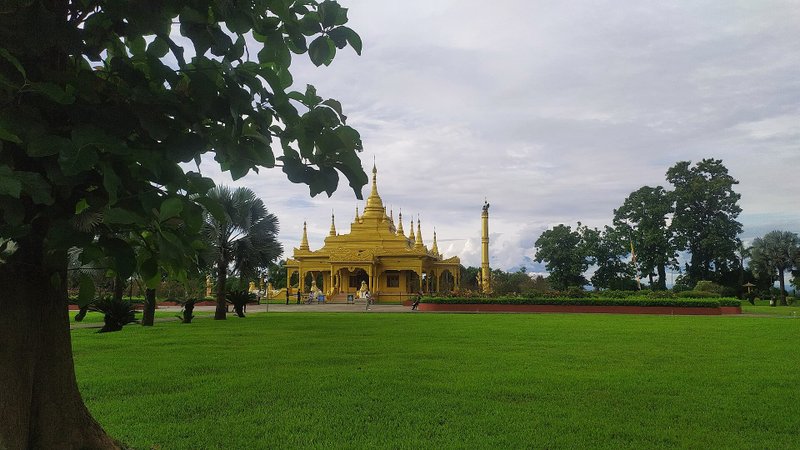
Representative image: MahamevnawaMahaviharaya / Pixabay
Gyan Bharatam CEO Inderjeet Singh said on 22 November 2026 that India's manuscript survey has recorded over 1.26 crore texts, up from 1.19 crore in July.
Gyan Bharatam: what happened
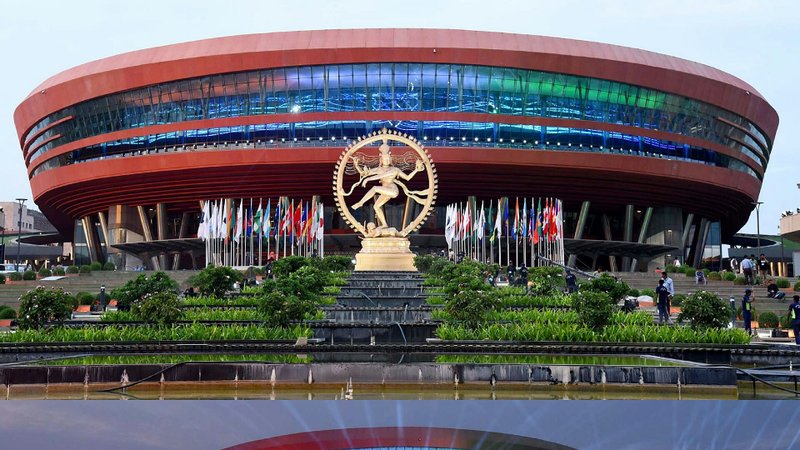
India's National Manuscript Survey under the Gyan Bharatam Mission has now recorded more than 1.26 crore manuscripts, Gyan Bharatam CEO Inderjeet Singh told scholars and delegates from Shanghai Cooperation Organisation (SCO) countries at a session in New Delhi on 22 November 2026, held at Purana Qila as part of the first SCO Civilisation Dialogue Forum. He also presented the mission's artificial intelligence tools for reading manuscripts, Gyan Mitram, Pandulipi Darpan and BharatiyaGPT, and invited the visiting countries to work with India on preservation, digitisation and translation.
Gyan Bharatam: key facts
- New figure: more than 1.26 crore manuscripts reported through the National Manuscript Survey, according to Singh.
- Earlier figure: a Culture Ministry release in July 2026 put the count at more than 1.19 crore.
- Survey start: the National Manuscript Survey was formally launched on 16 March 2026 to document manuscript holdings across states and Union Territories.
- Digitisation: the ministry has said more than 8 lakh manuscripts have been digitised across the country, with over 4.40 lakh open to the public on the Gyan Bharatam portal.
- AI tools: Gyan Mitram (an AI interface linking manuscript images, transcriptions and translations), Pandulipi Darpan (script recognition, transliteration and translation of an uploaded manuscript image) and BharatiyaGPT (a "Talk to Manuscript" chat feature in text, audio and voice).
- Delegations from Iran, Kyrgyzstan, Pakistan, Cambodia, Uzbekistan, Laos and Nepal described their own countries' manuscript-preservation work.
- Funding: the mission has an approved outlay of Rs 491.66 crore for 2025-31.
Gyan Bharatam: why it matters
A manuscript, in this sense, is a handwritten text on palm leaf, birch bark, paper or cloth, usually created before printing became common. India's manuscripts cover philosophy, mathematics, astronomy, medicine, grammar, literature and ritual, in many languages and scripts. Many are held by temples, monasteries, families and small libraries rather than large archives. A national count is the first step: a text that is not listed cannot be conserved, studied or shared.
The jump from 1.19 crore to 1.26 crore in about four months shows the survey is still finding material as more districts and private holders report what they have. It also shows the scale of the task. Counting a manuscript is not the same as reading it. Each text still has to be catalogued, conserved and, for most readers, translated before it is of use.
That is where the AI tools come in. Singh described Gyan Mitram, Pandulipi Darpan and BharatiyaGPT as ways to help users recognise scripts, transliterate them into a familiar script, translate them and ask questions about a text. These are the mission's own descriptions; how accurately such tools read damaged or rare scripts has not been independently measured in public. Scholars will still be needed to check the results, especially for technical texts in mathematics, astronomy or medicine, where one misread word changes the meaning.
The SCO setting matters too. The global presence of Indian manuscripts was one of the themes of the session, and the visiting delegations came from countries in Central Asia, West Asia, South Asia and South-East Asia with their own manuscript traditions. Several delegations at the session said they were interested in working with the mission and the Culture Ministry on preservation and research, but no agreement was announced.
Peepals calculation: the reported count rose from 1.19 crore in July to 1.26 crore in November, an increase of about 7 lakh manuscripts, or roughly 5.9% (0.07 ÷ 1.19 ≈ 0.059). The 8 lakh manuscripts digitised so far equal about 6.3% of the 1.26 crore now reported (0.08 ÷ 1.26 ≈ 0.063), and the 4.40 lakh open on the portal about 3.5%. Our calculation from the reported figures.
| Measure | Figure |
|---|---|
| Manuscripts reported, July 2026 | more than 1.19 crore |
| Manuscripts reported, November 2026 | more than 1.26 crore |
| Digitised across India | more than 8 lakh |
| Open on Gyan Bharatam portal | over 4.40 lakh |
| Approved outlay, 2025-31 | Rs 491.66 crore |
Gyan Bharatam: impact
Short-term: Researchers, students and families holding manuscripts can use the Gyan Bharatam portal and its AI tools to look at digitised texts, and the survey continues to add new records.
Long-term: If digitisation keeps pace with the survey, a much larger share of India's written heritage will become searchable and readable, and partnerships with SCO countries could help trace and study related collections abroad.
Who is affected: Scholars of Sanskrit, Persian, Tamil and other classical languages, libraries, temples and families that hold manuscripts, students of Indian Knowledge Systems, and cultural institutions in SCO countries.
Gyan Bharatam: key takeaway
India now counts more than 1.26 crore manuscripts, but only about 6% are digitised, so the next test for the Gyan Bharatam Mission is turning a count into texts people can actually read.
Gyan Bharatam: questions and answers
How many manuscripts has the Gyan Bharatam survey found?
More than 1.26 crore manuscripts had been reported through the National Manuscript Survey, Gyan Bharatam CEO Inderjeet Singh said in New Delhi on 22 November 2026. The figure was more than 1.19 crore in July.
What are Gyan Mitram, Pandulipi Darpan and BharatiyaGPT?
They are AI tools on the Gyan Bharatam portal. Gyan Mitram links manuscript images with transcriptions and translations; Pandulipi Darpan lets a user upload a manuscript image for script recognition, transliteration and translation; and BharatiyaGPT offers a "Talk to Manuscript" feature by text, audio or voice.
How many manuscripts can the public read online?
The Culture Ministry has said over 4.40 lakh manuscripts are open to the public on the Gyan Bharatam portal, out of more than 8 lakh digitised across the country.
Did India sign any manuscript agreement with SCO countries at the session?
No agreement was announced. Delegates from several countries, including Iran, Uzbekistan, Cambodia and Nepal, described their own preservation work, and several said they were interested in working with the mission.
Disclaimer: Prepared by the Peepals newsroom from publicly available sources with AI assistance. Information is accurate to the best of our knowledge at the time of publication and may change. Images may be representative. Not professional advice. Report an error via our contact page.
By Devansh Tiwari, Knowledge Systems WriterCovers Knowledge Systems and more for Peepals Sanskriti. All stories by Devansh Tiwari
Ayush Pavilion IITF 2026: free Unani, yoga consultations till November 27
Pandit Motiram Pandit Maniram Sangeet Samaroha: 150 artists, free, November 24-30
Your week ahead, every Sunday. Free.
Exam and result dates, IPOs opening, scheme deadlines, government holidays and the RBI decision for the next 7 days, plus the week's top stories. One email a week, unsubscribe in one click.
Devansh Tiwari is a pen name of the Peepals Global Editorial Team, which researches, fact-checks and publishes every story. The portrait is an illustration.
Responsible for this story: the Peepals Global Editorial Team, led by editor Prashant Sonar. How we report