
FSSAI recycled plastic draft: PE, PP may touch food under strict rules
 By Devansh TiwariKnowledge Systems Writer, Peepals Sanskriti
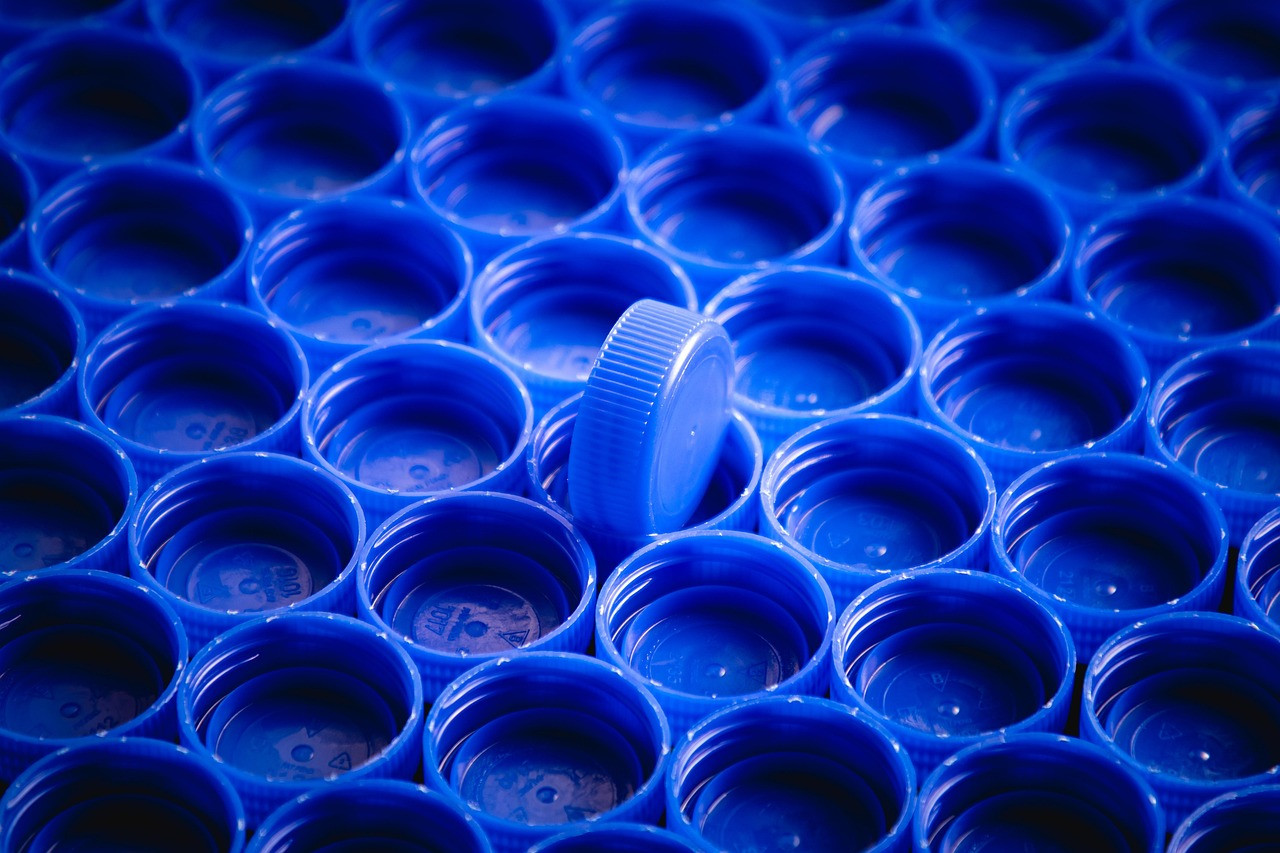
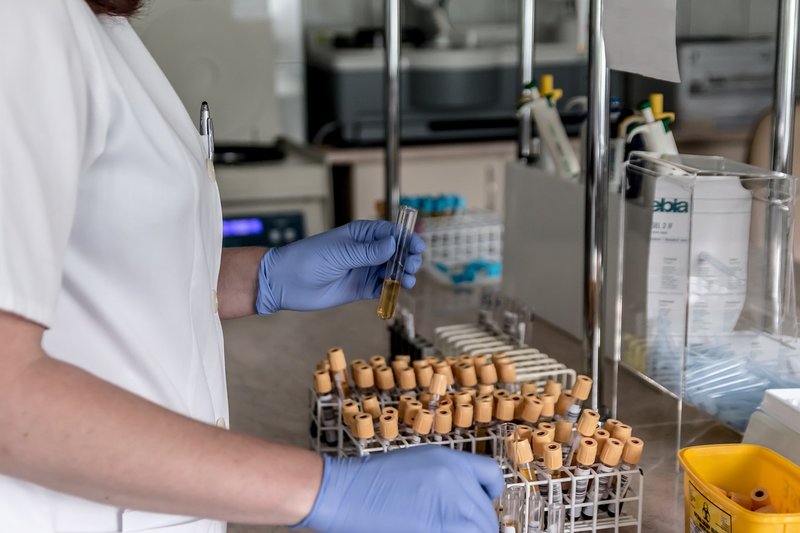
Representative image: sadeghshafiee91 / Pixabay
FSSAI's draft of 2 November 2026 would let chemically recycled PE and PP be used in food packaging if equal to new plastic; comments are open for 60 days.
What Happened
FSSAI recycled plastic rules may soon change. The Food Safety and Standards Authority of India (FSSAI) issued a draft notification on Monday, 2 November 2026, proposing amendments to the Food Safety and Standards (Packaging) Regulations, 2018, that would allow recycled polyethylene (PE) and polypropylene (PP) to be used in packaging that touches food. The proposal is a draft, not yet law, and the regulator has given the public and industry 60 days to send comments before it decides whether to go ahead.
Key Facts
- Issued by: the Food Safety and Standards Authority of India, the national food regulator.
- Date of the draft: Monday, 2 November 2026.
- What it covers: recycled polyethylene (PE) and polypropylene (PP), two of the most common plastics in food packs, for use in materials that come into contact with food.
- First condition: the recycled PE or PP must come from chemical recycling as defined in the Indian Standard IS 14534, through the monomer route, and the end product must be treated as equivalent to virgin (new) plastic and meet the same criteria.
- Second provision: recycled plastic made only from food-grade packaging could be used in the outermost layer of multi-layer food packs, provided the inner layers have enough barrier properties to stop substances moving into the food.
- Comment window: 60 days from the date the notification is made available to the public.
Why It Matters
Plastic packets, pouches, tubs and bottle caps are part of almost every Indian kitchen, from milk and curd to snacks, spices and ready-to-eat foods. Polyethylene and polypropylene are the plastics most of these packs are made of. At present, the packaging rules give no pathway for recycled PE and PP to be used where they touch food; the new draft seeks to create one, but only under conditions the regulator has written in.
The key words in the draft are "chemical recycling" and "monomer route". In simple terms, ordinary (mechanical) recycling washes, melts and re-forms used plastic, which can carry traces of old contents, inks or other substances into the new product. Chemical recycling breaks the plastic down into its basic building blocks, called monomers, and builds new plastic from them. The draft accepts only material made this way, and only if the result is as good as new plastic under the rules that apply to virgin material.
The second provision deals with multi-layer packs, such as many snack and spice pouches, which are made of several thin films pressed together. Here, recycled plastic from food-grade sources could be used only on the outer face, away from the food, and only if the inner layers block any movement of substances into what is inside. The existing migration limits, which cap how much of a packaging substance may pass into food, would still apply.
The draft has drawn mixed comment. Critics quoted in coverage of the draft say that recycling multi-layer packaging does not truly close the loop, and a packaging research group has noted, in comments on related Indian standards, that it is not yet clear which detailed requirements would apply to recycled PE and PP, since published provisions so far relate to recycled PET.
Peepals timeline: The 2018 packaging regulations barred recycled plastic and newspaper from food packaging from 1 July 2019. On 18 January 2022, FSSAI issued a direction on recycled plastics in food-contact materials, followed by a draft covering recycled PET, the plastic used in most drink bottles. An amendment in March 2025 formally allowed recycled PET for packing, storing, carrying or dispensing food. The draft of Monday, 2 November 2026 is the first step to extend a similar route to PE and PP.
Impact
Short-term: Nothing changes on shop shelves yet. Food companies, packaging makers, recyclers and consumer groups now have 60 days to send their views to FSSAI, and the regulator will review those comments before deciding on the final rules.
Long-term: If the amendments are finalised, packaging makers could use chemically recycled PE and PP in food-contact packs, and food-grade recycled plastic in the outer layer of multi-layer packs. That could create demand for chemical recycling plants in India and change how snack, dairy and grocery packs are made.
Who is affected: Households that buy packaged food, food and beverage companies, plastic and packaging manufacturers, recyclers and waste collectors, and state food safety officers who would enforce the rules.
What to watch next: The end of the 60-day comment period and FSSAI's decision on whether to notify the final amendments.
Key Takeaway
FSSAI's draft of 2 November 2026 would let chemically recycled PE and PP, treated as equal to new plastic, touch food, but it is only a proposal open for 60 days of public comment.
Questions and Answers
Has FSSAI allowed recycled plastic in food packaging?
Not yet for PE and PP. On 2 November 2026, FSSAI issued a draft notification proposing to allow recycled polyethylene and polypropylene in food-contact packaging under strict conditions. It is a draft open for 60 days of comments, and no use is permitted until final rules are notified. Recycled PET was already allowed by an amendment in March 2025.
What kind of recycled plastic would be allowed under the FSSAI draft?
Only PE and PP made by chemical recycling through the monomer route, as defined in Indian Standard IS 14534, and only if the end product is treated as equivalent to new plastic and meets the same criteria. Recycled plastic from food-grade packaging could also be used in the outer layer of multi-layer packs, if inner layers block migration into food.
What is the difference between chemical and mechanical recycling?
Mechanical recycling cleans, melts and re-forms used plastic, so traces of earlier contents can remain. Chemical recycling breaks plastic down into its basic building blocks, called monomers, and makes new plastic from them, which is why the draft treats it as closer to virgin material.
Disclaimer: Prepared by the Peepals newsroom from publicly available sources with AI assistance. Information is accurate to the best of our knowledge at the time of publication and may change. Images may be representative. Not professional advice. Report an error via our contact page.
By Devansh Tiwari, Knowledge Systems WriterCovers Knowledge Systems and more for Peepals Sanskriti. All stories by Devansh Tiwari
Diwali in US Pacific Northwest: five governors, 22 cities hold first ceremonies
Herbal Kumbh 2026: Uttarakhand ministers push medicinal plant farming for hills
Get the day's stories in your inbox
Peepals Weekly: the week decoded, free. One email a week, unsubscribe in one click.
Devansh Tiwari is a pen name of the Peepals Global Editorial Team, which researches, fact-checks and publishes every story. The portrait is an illustration.