
Jaipur ghee raid: 35,000 litres of suspected adulterated ghee seized
 By Devansh TiwariKnowledge Systems Writer, Peepals Sanskriti
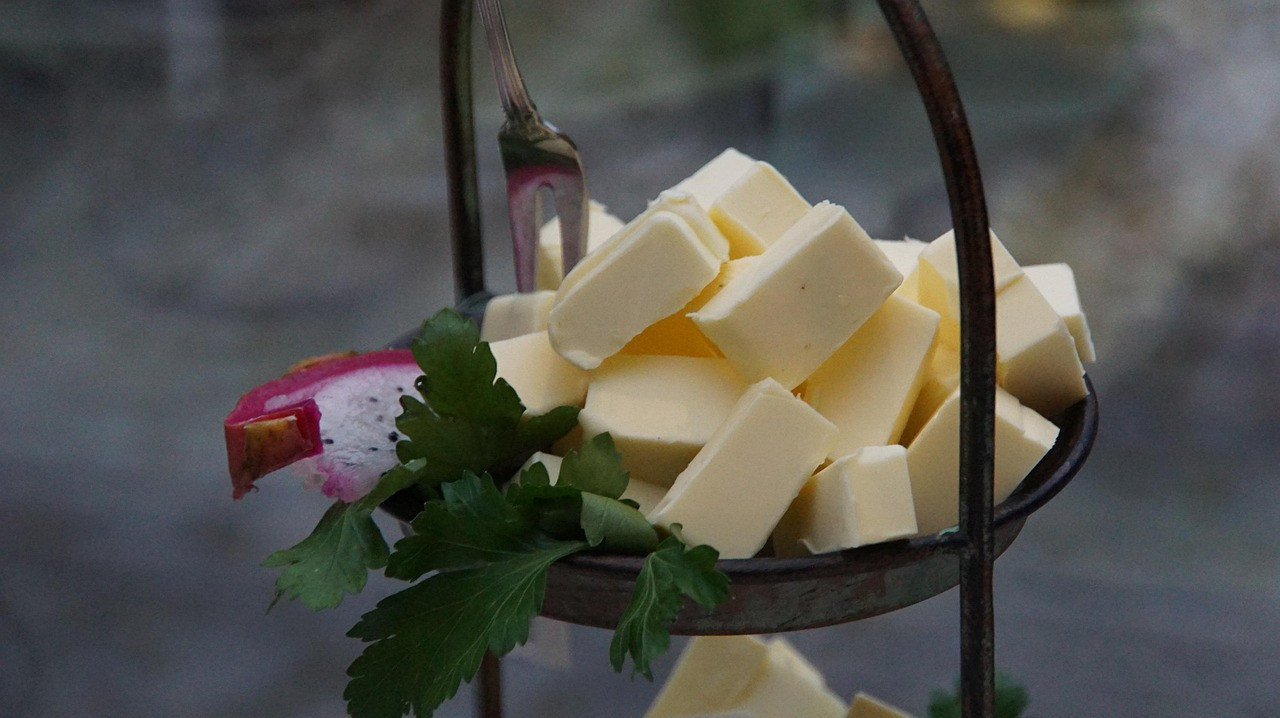
Representative image: e2grafikwerkstatt / Pixabay
Jaipur food safety officials seized about 35,000 litres of suspected adulterated ghee and sealed a factory on 3 November 2026; lab tests are awaited.
What Happened
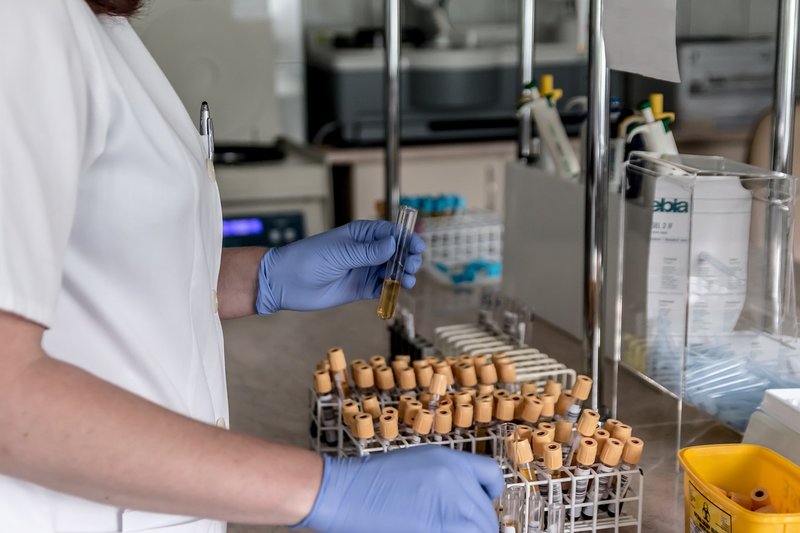
Food safety officials in Jaipur seized about 35,000 litres of ghee suspected of being adulterated and sealed the factory where it was made on Tuesday, 3 November 2026, during Rajasthan's state-wide "Shuddh Aahar-Milawat Par Vaar" (Pure Food, Strike on Adulteration) campaign. Officials said the ghee was being packed under several brand labels, in packs ranging from 200 ml to 15 litres, while thousands of litres more were stored in large silos. A suspicious flavouring substance was also recovered, and one report said the unit did not display a food licence. Samples have been sent to a laboratory, and the results will decide whether the ghee was in fact adulterated.
Key Facts
- Where and when: a ghee manufacturing unit in Jaipur, Rajasthan, raided on Tuesday, 3 November 2026.
- Seized: about 35,000 litres of ghee suspected of adulteration; the factory was sealed.
- Campaign: Rajasthan's "Shuddh Aahar-Milawat Par Vaar" drive against food adulteration.
- Packing: ghee packed under several brand labels, in packs from 200 ml to 15 litres; more stored in large silos, according to officials.
- Other finds: a suspicious flavouring substance; no food licence displayed, according to one report.
- Testing: samples sent to a laboratory; reports differ on whether samples of milk and mawa were also collected.
- Status: the suspicion of adulteration has not yet been confirmed by laboratory results.
Why It Matters
Ghee is central to Indian cooking, festivals and religious offerings, and it is widely bought in the run-up to Diwali, which falls on 8 November this year. Rajasthan's campaign, like the pre-festival drives reported in Haryana, Uttar Pradesh, Maharashtra, Delhi and other states this season, is aimed at that risk.
What makes this case notable is its size and the way the product was packed. Thirty-five thousand litres is a large quantity for a single unit, and officials say it was being packed under several different brand names. When the same product appears under many labels, consumers who think they are choosing between brands may in fact be buying from one source. Officials also said a flavouring substance was found, which raises the question of whether something was being added to make the product smell or taste like pure ghee. These are suspicions until the laboratory reports.
For families, the practical lesson from such raids is to buy ghee and other dairy products from licensed sellers and to check labels for a food licence number. Under India's food safety rules, food businesses must hold a licence or registration, and its absence is itself a warning sign.
The legal process is still at an early stage. The laboratory results will decide whether any case proceeds and on what grounds. Until then, the ghee remains seized and the unit sealed.
Peepals calculation: The 35,000 litres seized would fill 175,000 packs of 200 ml (35,000 ÷ 0.2) or about 2,333 packs of 15 litres (35,000 ÷ 15). The largest pack size found, 15 litres, is 75 times the smallest, 200 ml (15 ÷ 0.2). Our calculation from the reported figures.
| Item | Reported |
|---|---|
| Ghee seized | about 35,000 litres |
| Pack sizes | 200 ml to 15 litres |
| Date of raid | 3 November 2026 |
| Campaign | Shuddh Aahar-Milawat Par Vaar |
| Lab results | awaited |
Impact
Short-term: The seized ghee is off the market ahead of Diwali, and the sealed unit cannot resume production while the case is examined.
Long-term: If laboratory tests confirm adulteration, the case may lead to prosecution under food safety law and could prompt checks on the brand labels the ghee was packed under. If they do not, the unit may seek to have the seal lifted.
Who is affected: Consumers in Rajasthan and anywhere the packed ghee was sold; the unit's operators; legitimate dairy businesses whose sales suffer when adulterated products undercut them; and food safety officials.
What to watch next: The laboratory results on the ghee samples.
Key Takeaway
Jaipur officials seized about 35,000 litres of suspected adulterated ghee and sealed the factory on 3 November 2026 under Rajasthan's pre-Diwali food safety drive; lab tests will decide the case.
Questions and Answers
What happened in the Jaipur ghee raid?
On 3 November 2026, food safety officials seized about 35,000 litres of ghee suspected of adulteration and sealed the factory, under Rajasthan's "Shuddh Aahar-Milawat Par Vaar" campaign.
Has the Jaipur ghee been proven to be adulterated?
Not yet. Samples have been sent to a laboratory, and the results will decide whether it was adulterated.
What is the Shuddh Aahar-Milawat Par Vaar campaign?
It is Rajasthan's state-wide drive against food adulteration, under which food safety officials inspect units and seize suspect products.
How can buyers protect themselves from adulterated ghee?
By buying from licensed sellers and checking that the pack carries a food licence or registration number; the absence of a licence is a warning sign.
Disclaimer: Prepared by the Peepals newsroom from publicly available sources with AI assistance. Information is accurate to the best of our knowledge at the time of publication and may change. Images may be representative. Not professional advice. Report an error via our contact page.
By Devansh Tiwari, Knowledge Systems WriterCovers Knowledge Systems and more for Peepals Sanskriti. All stories by Devansh Tiwari
Kerala leads with Ayurveda wellness at WTM London 2026
Diwali in US Pacific Northwest: five governors, 22 cities hold first ceremonies
Get the day's stories in your inbox
Peepals Weekly: the week decoded, free. One email a week, unsubscribe in one click.
Devansh Tiwari is a pen name of the Peepals Global Editorial Team, which researches, fact-checks and publishes every story. The portrait is an illustration.