Gyan Bharatam manuscripts to go online in Culture Ministry's Google Arts deal
 By Devansh TiwariKnowledge Systems Writer, Peepals Sanskriti
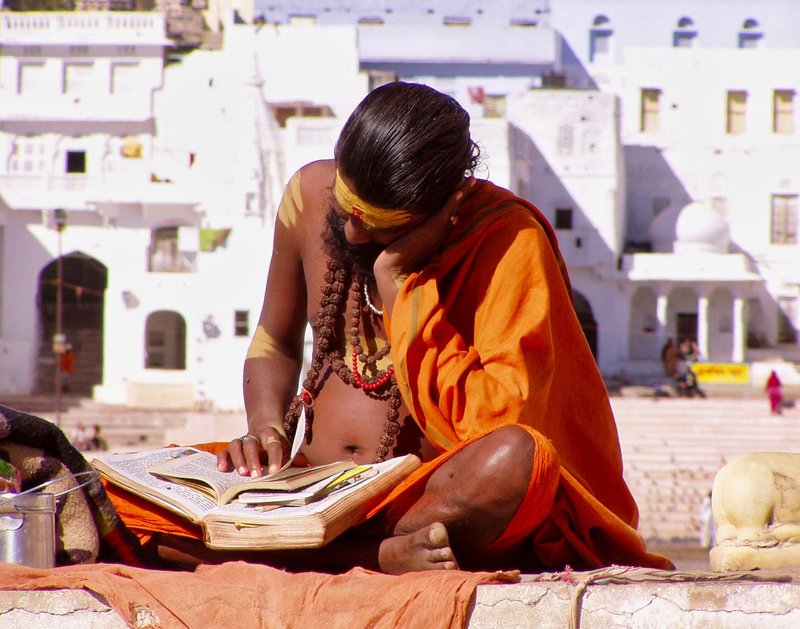
Representative image: PatrizioYoga / Pixabay
The Culture Ministry signed an MoU with Google Arts & Culture on 5 November 2026 to digitise Gyan Bharatam manuscripts, ASI monuments and museum collections.
What Happened
India's Ministry of Culture signed a memorandum of understanding with Google Arts & Culture on Thursday, 5 November 2026, to digitise and share the country's cultural heritage online, including manuscripts documented under the Gyan Bharatam mission. The agreement was signed at a virtual ceremony attended by Culture Secretary Vivek Aggarwal and Amit Sood, the founder of Google Arts & Culture. It covers monuments and archaeological sites protected by the Archaeological Survey of India (ASI), national museum collections, manuscripts, and crafts, performing arts and living traditions. A key focus is the Yuge Yugeen Bharat Museum being developed in the North and South Blocks in New Delhi.
Key Facts
- Agreement: MoU between the Ministry of Culture and Google Arts & Culture, signed on 5 November 2026 at a virtual ceremony.
- Present: Culture Secretary Vivek Aggarwal and Google Arts & Culture founder Amit Sood.
- Manuscripts: historic manuscripts documented under the Gyan Bharatam mission are included.
- Other heritage: ASI-protected monuments and archaeological sites, national museum collections, crafts, performing arts and living traditions.
- Museum: support for the Yuge Yugeen Bharat Museum in the North and South Blocks, New Delhi.
- Access: Google will make the collections freely discoverable worldwide, according to the ministry's announcement.
- Quote: "India's cultural heritage is a living inheritance," Vivek Aggarwal said.
Why It Matters
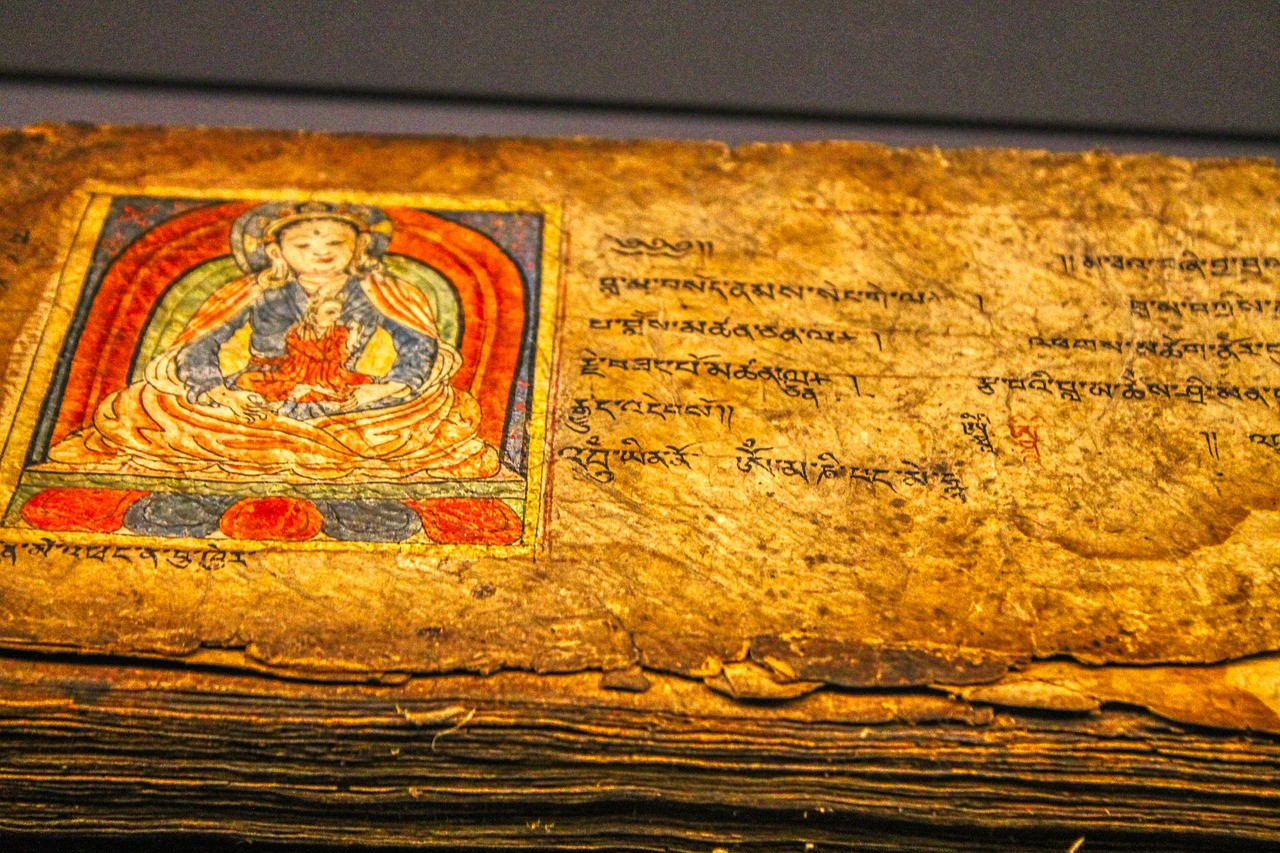
Manuscripts are a central written record of India's traditional knowledge, and many survive in a single copy held by a library, an institution or a family. A digital copy protects the text against loss and lets people who cannot travel to those collections read it.
The Gyan Bharatam mission was set up to find, record and digitise these manuscripts and to make them available through an online portal. The new agreement adds a global platform to that effort. If manuscripts documented under Gyan Bharatam are placed on Google Arts & Culture, students and researchers anywhere could view high-quality images of texts that today sit in a single library or a family collection.
The deal also ties India's manuscript heritage to its new national museum. The Yuge Yugeen Bharat Museum is being built in the North and South Blocks in New Delhi as a national museum. Digital exhibits created with Google could let people explore its collections before or without visiting.
There are open questions. The announcement did not give a timeline, a list of which manuscripts or monuments will be digitised first, or the number of items. It also did not say how ownership and control of the digital images will be shared between the ministry and Google. These details will decide how useful the partnership is for scholars.
Peepals timeline: The Gyan Bharatam portal was launched in September 2025. In February 2026, Uttar Pradesh started district-level identification and digitisation of manuscripts under the mission. On 4 November 2026, Visva-Bharati University began digitising thousands of manuscripts at its Lipika manuscript collection in Santiniketan under Gyan Bharatam. A day later, on 5 November 2026, the Ministry of Culture signed its MoU with Google Arts & Culture, which brings these manuscripts within reach of a worldwide online platform.
| Date | Step |
|---|---|
| September 2025 | Gyan Bharatam portal launched |
| February 2026 | Uttar Pradesh starts district-level manuscript digitisation |
| 4 November 2026 | Visva-Bharati begins digitising Lipika manuscripts |
| 5 November 2026 | Culture Ministry signs MoU with Google Arts & Culture |
Impact
Short-term: The ministry and Google Arts & Culture will begin selecting collections, monuments and manuscripts for digitisation and online exhibits, with the Yuge Yugeen Bharat Museum a focus.
Long-term: If carried through, the partnership could give scholars and readers worldwide free access to images of Indian manuscripts and heritage sites, and help preserve a record of fragile texts before they decay further.
Who is affected: Scholars of Sanskrit, regional languages and Indian knowledge systems; students and teachers; the custodians of manuscripts in libraries, temples and universities; the ASI and national museums; and visitors to the planned Yuge Yugeen Bharat Museum.
Key Takeaway
The Culture Ministry's 5 November 2026 deal with Google Arts & Culture aims to put India's monuments, museum collections and Gyan Bharatam manuscripts online for free worldwide viewing.
Questions and Answers
What did the Ministry of Culture sign with Google Arts & Culture?
A memorandum of understanding, signed on 5 November 2026, to digitise and share India's cultural heritage online, including ASI-protected monuments, national museum collections, manuscripts documented under Gyan Bharatam, and crafts and performing arts.
Will Gyan Bharatam manuscripts be online on Google Arts & Culture?
Manuscripts documented under the Gyan Bharatam mission are among the materials covered by the agreement. The ministry has not yet said which manuscripts will go online first or when.
What is the Yuge Yugeen Bharat Museum?
It is a national museum being developed in the North and South Blocks in New Delhi. The agreement with Google Arts & Culture includes support for it.
Will it cost anything to view the collections?
According to the announcement, Google will make the collections freely discoverable worldwide.
Disclaimer: Prepared by the Peepals newsroom from publicly available sources with AI assistance. Information is accurate to the best of our knowledge at the time of publication and may change. Images may be representative. Not professional advice. Report an error via our contact page.
By Devansh Tiwari, Knowledge Systems WriterCovers Knowledge Systems and more for Peepals Sanskriti. All stories by Devansh Tiwari
Wangala Festival 2026: 1,000 drums for golden jubilee near Tura, November 11-14
Tokhu Emong 2026 opens in Wokha with call to guard Lotha heritage
Get the day's stories in your inbox
Peepals Weekly: the week decoded, free. One email a week, unsubscribe in one click.
Devansh Tiwari is a pen name of the Peepals Global Editorial Team, which researches, fact-checks and publishes every story. The portrait is an illustration.