
Gyan Bharatam Rajasthan: 24.6 lakh manuscripts surveyed, 1.61 lakh digitised
 By Devansh TiwariKnowledge Systems Writer, Peepals Sanskriti
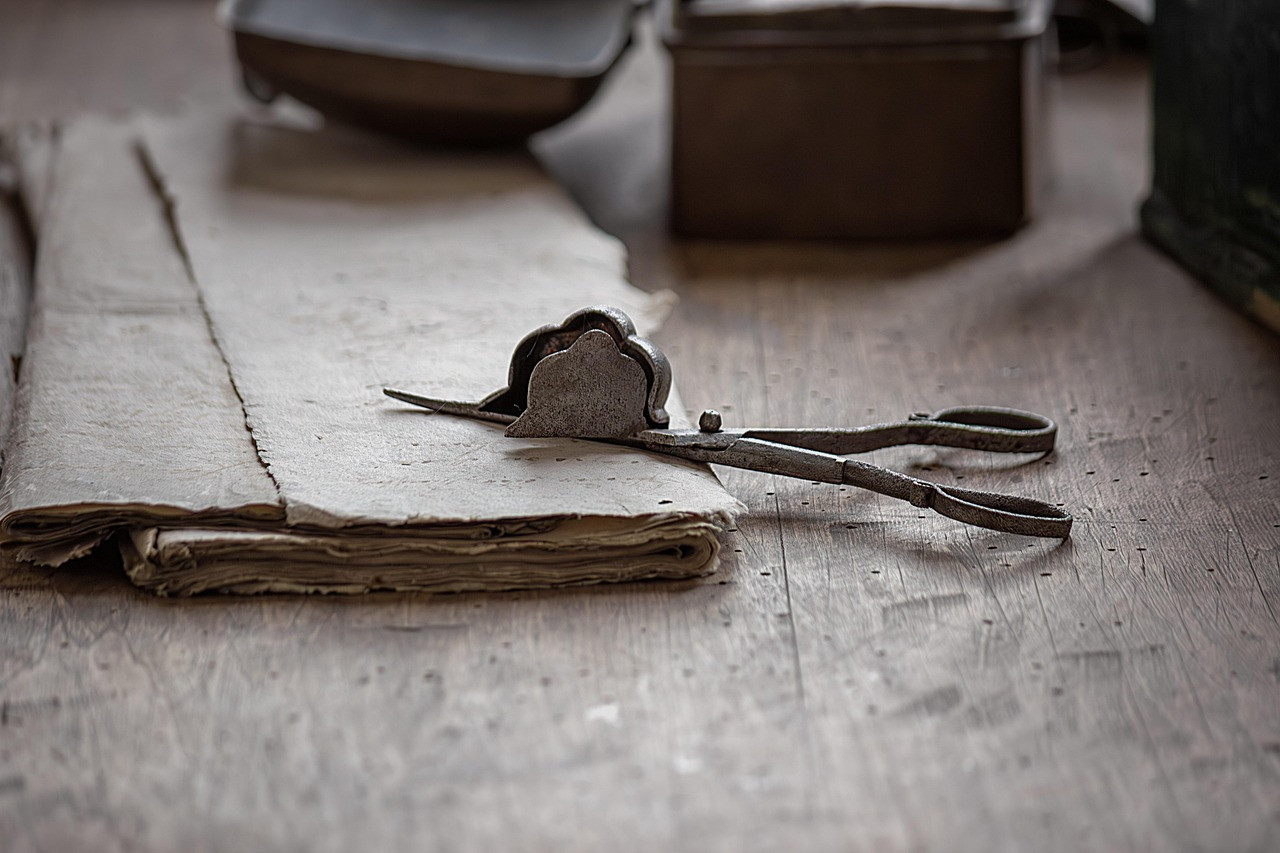
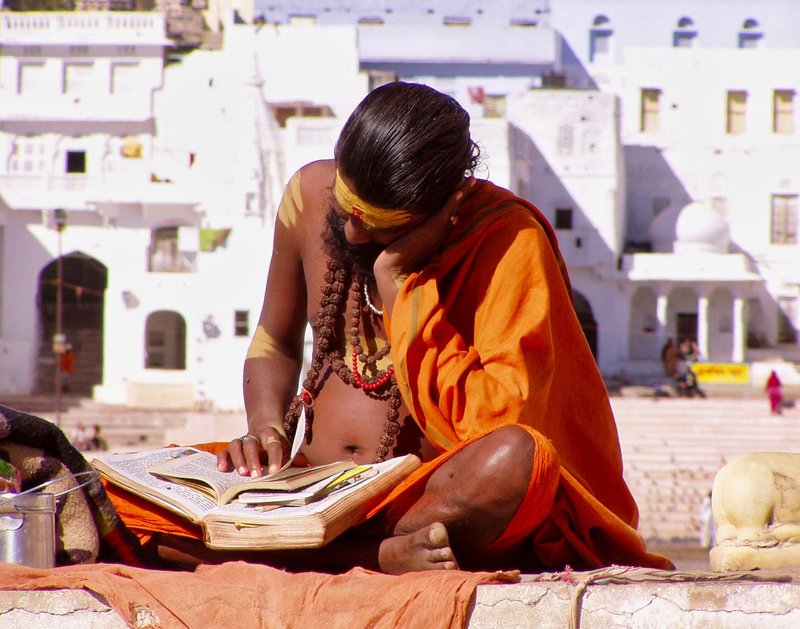
Representative image: Black_Sea / Pixabay
Rajasthan told the Centre on 3 November 2026 it has surveyed 24,63,769 manuscripts and digitised about 1.61 lakh under the Gyan Bharatam Mission, at 19 centres.
What Happened
Rajasthan has completed a verified survey of 24,63,769 manuscripts and digitised about 1.61 lakh of them under the Gyan Bharatam Mission, the Centre's national programme to find, conserve and digitise India's handwritten heritage. Chief Secretary V. Srinivas gave the figures on Tuesday, 3 November 2026, when he met Cabinet Secretary Dr. Somanathan at Seva Teerth in New Delhi and briefed him on the state's progress. According to the state's release, digitisation work is going on at 19 centres.
Key Facts
- Verified survey: 24,63,769 manuscripts recorded in Rajasthan so far.
- Digitised: about 1.61 lakh (161,000) manuscripts.
- Digitisation centres: 19, with work continuing.
- The figures were shared at a meeting between Chief Secretary V. Srinivas and the Cabinet Secretary in New Delhi on Tuesday, 3 November 2026; the same meeting covered the state's deregulation and compliance-reduction reforms.
- In late September 2026, at a digitisation workshop attended by Deputy Chief Minister Diya Kumari, the reported figures were about 23 lakh manuscripts surveyed and about 1.24 lakh digitised.
- Gyan Bharatam is a central sector scheme of the Ministry of Culture; its main pillars are mapping, conservation, digitisation and dissemination of manuscripts, with records to be kept in a national digital repository on the mission's portal.
Why It Matters
Handwritten manuscripts carry much of India's older knowledge on subjects from grammar and mathematics to medicine and philosophy. In Rajasthan the survey has involved universities, libraries, temples and private holders, and many such collections are little known outside their owners. A survey is the first step: it tells researchers what is held and where. Digitisation is the second: it makes a copy that survives even if the original decays, and that can be read without handling fragile pages.
Rajasthan's numbers show how large that task is. The state has now counted close to 25 lakh manuscripts, but has digitised only a small part of them. For students and researchers of Indian knowledge systems, that gap matters: a text that has been surveyed is known to exist, but until it is scanned and put on a shared platform, studying it usually means travelling to the collection and seeking permission.
The pace is picking up. The figures given in New Delhi are higher than those reported only about five weeks earlier, at the Jaipur workshop in late September. Earlier reports from the state also described scanning at the Rajasthan Sanskrit Academy and the use of AI tools to translate some rare manuscripts into several languages, though the latest release did not update those figures.
Peepals calculation: about 1.61 lakh digitised out of 24,63,769 surveyed means roughly 6.5% of the counted manuscripts have been digitised (161,000 ÷ 2,463,769 ≈ 0.065). Between the late-September figures (about 1.24 lakh) and 3 November (about 1.61 lakh), roughly 37,000 more manuscripts were digitised, and the survey grew by about 1.64 lakh (24.64 lakh minus 23 lakh). Over those 36 days (28 September to 3 November), that is roughly 1,000 manuscripts digitised a day (37,000 ÷ 36 ≈ 1,030). Our calculation from the reported figures.
| Measure | Late September 2026 | 3 November 2026 |
|---|---|---|
| Manuscripts surveyed | about 23 lakh | 24,63,769 |
| Manuscripts digitised | about 1.24 lakh | about 1.61 lakh |
| Share digitised | about 5.4% | about 6.5% |
Impact
Short-term: The new figures put Rajasthan's progress on record with the Centre, and the 19 centres continue scanning.
Long-term: If digitisation keeps its recent pace, a much larger share of the state's manuscripts could become available to scholars through the national repository, making research on Indian knowledge systems less dependent on access to individual collections.
Who is affected: Scholars and students of Sanskrit, Prakrit, Rajasthani and other languages; temples, libraries, universities and families that hold manuscripts in Rajasthan; and researchers using the Gyan Bharatam repository.
Key Takeaway
Rajasthan told the Centre on 3 November 2026 that it has surveyed 24,63,769 manuscripts and digitised about 1.61 lakh of them under the Gyan Bharatam Mission, about 6.5% of those counted.
Questions and Answers
How many manuscripts has Rajasthan surveyed under the Gyan Bharatam Mission?
Rajasthan has completed a verified survey of 24,63,769 manuscripts, according to the figures Chief Secretary V. Srinivas shared with the Cabinet Secretary in New Delhi on 3 November 2026.
How many of Rajasthan's manuscripts have been digitised?
About 1.61 lakh manuscripts have been digitised, with work continuing at 19 centres, which is roughly 6.5% of the manuscripts surveyed.
What is the Gyan Bharatam Mission?
It is a central sector scheme of the Ministry of Culture to map, conserve, digitise and share India's manuscripts, with the records to be kept in a national digital repository on the mission's portal.
How fast is the work moving?
In late September 2026 the state reported about 1.24 lakh manuscripts digitised; by 3 November the figure was about 1.61 lakh, roughly 37,000 more in about five weeks.
Disclaimer: Prepared by the Peepals newsroom from publicly available sources with AI assistance. Information is accurate to the best of our knowledge at the time of publication and may change. Images may be representative. Not professional advice. Report an error via our contact page.
By Devansh Tiwari, Knowledge Systems WriterCovers Knowledge Systems and more for Peepals Sanskriti. All stories by Devansh Tiwari
Get the day's stories in your inbox
Peepals Weekly: the week decoded, free. One email a week, unsubscribe in one click.
Devansh Tiwari is a pen name of the Peepals Global Editorial Team, which researches, fact-checks and publishes every story. The portrait is an illustration.