
Darjeeling tea vs Nepal tea: planters ask Tea Board to stop passing off
 By Devansh TiwariKnowledge Systems Writer, Peepals Sanskriti
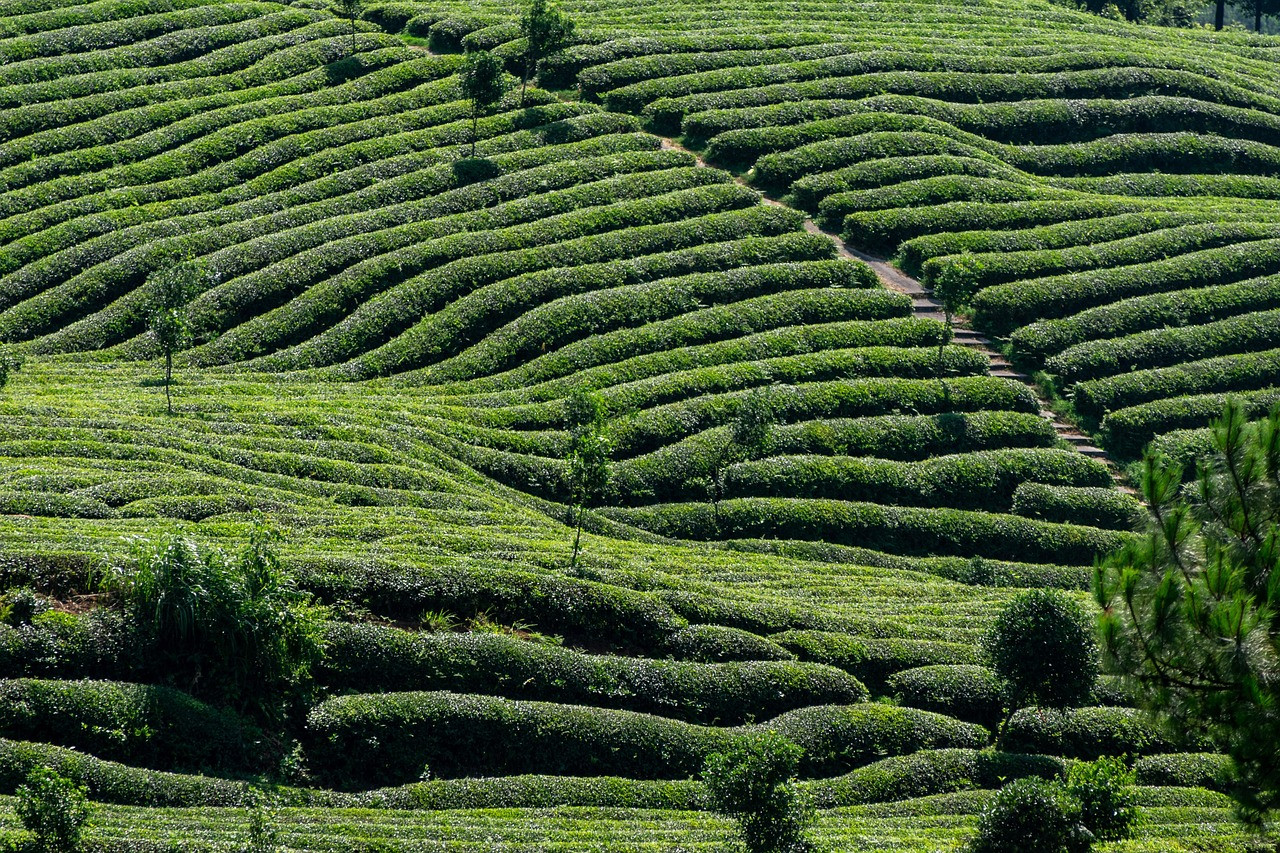
Representative image: lin2015 / Pixabay
North Bengal planters on 8 November 2026 asked the Tea Board to stop Nepal tea, about 16 million kg a year by their claim, being sold as Darjeeling tea.
What Happened
The Terai Indian Planters' Association (TIPA), a body of tea growers in north Bengal, has asked the Tea Board of India to act against what it calls low-quality tea coming in from Nepal, reports published on Sunday, 8 November 2026, said. Its chairman, Mahendra Prasad Bansal, claimed that about 16 million kg of Nepal tea enters India every year and is often blended and sold as premium Indian tea, including as Darjeeling tea. The association wants tighter quality checks, stronger protection for the Geographical Indication (GI) tag of Darjeeling tea, a revival package for closed tea gardens and an impartial review of the industry.
Key Facts
- Who: the Terai Indian Planters' Association, led by chairman Mahendra Prasad Bansal, in a request to the Tea Board of India.
- The claim: about 16 million kg of tea from Nepal enters India each year, often blended and marketed as Indian tea, including Darjeeling tea. This is the association's figure, not an official count.
- Trade terms: Nepal tea enters India free of duty, while Indian tea faces a tariff of about 40% in Nepal, according to the reports.
- Demands: tighter quality control on Nepal tea, stricter safeguards for GI-tagged Darjeeling tea, a revival package for closed gardens and an impartial assessment of the industry.
- Darjeeling output has fallen from 14.49 million kg in 1990 to 5.6 million kg in 2025, according to figures cited in the reports.
- Earlier Tea Board data, as reported in 2023, put Nepal's orthodox tea exports to India at about 15 million kg in 2022, up from 10 million kg a year earlier.
Why It Matters
Darjeeling tea carries a Geographical Indication tag, a legal label that ties the name to tea grown in a defined area of the Darjeeling hills. For a buyer, that tag is a promise about where the tea in the packet was grown. If tea from elsewhere is blended in and sold under the Darjeeling name, the buyer pays a premium for something that is not what the label says.
The planters' complaint is about that promise as much as about money. The association says the cheaper tea undercuts Darjeeling prices at a time when the hill gardens are already producing far less than they used to.
The Tea Board has dealt with this complaint before. In 2023, a Tea Board deputy chairman said the board had been issuing notifications and circulars to stop Nepal tea from being passed off as Darjeeling tea. No response from the board to the latest request had been reported when this story was written.
For tea drinkers, the dispute is a reminder that "Darjeeling" on a packet is a protected name, not a general style. Buyers who want the real thing depend on the Tea Board and the GI system to keep the label honest.
Peepals calculation: Darjeeling's output fell from 14.49 million kg in 1990 to 5.6 million kg in 2025, a drop of about 61% ((14.49 - 5.6) / 14.49 = 0.614). If the planters' claim of 16 million kg of Nepal tea a year is right, that is nearly three times Darjeeling's 2025 output (16 / 5.6 = 2.86). And the earlier Tea Board figures show Nepal's orthodox tea exports to India rising 50% in one year, from 10 to 15 million kg (5 / 10 = 0.5). Our calculation from the reported figures.
| Figure | Amount | Source of the figure |
|---|---|---|
| Darjeeling output, 1990 | 14.49 million kg | Figures cited in reports |
| Darjeeling output, 2025 | 5.6 million kg | Figures cited in reports |
| Nepal tea entering India each year | about 16 million kg | Planters' association's claim |
| Nepal orthodox tea exports to India, 2022 | about 15 million kg | Tea Board data, reported in 2023 |
Impact
Short-term: The request puts pressure on the Tea Board to say how it checks imported tea and how it stops Nepal tea being sold as Darjeeling tea.
Long-term: Whether the GI label is enforced will decide how much a "Darjeeling" packet can be trusted, and whether the hill gardens can keep charging a premium for their tea.
Who is affected: Tea gardens and workers in the Darjeeling hills and the Terai, tea traders and blenders, Nepal's tea exporters, and tea drinkers who pay extra for Darjeeling tea.
Key Takeaway
North Bengal planters have asked the Tea Board of India to act against Nepal tea they say is sold as Darjeeling tea, claiming about 16 million kg enters India each year while Darjeeling's own output has fallen to 5.6 million kg.
Questions and Answers
Why are Darjeeling tea planters complaining about Nepal tea?
The Terai Indian Planters' Association says low-quality tea from Nepal, about 16 million kg a year by its estimate, enters India duty-free and is often blended and sold as premium Indian tea, including as Darjeeling tea, hurting prices and the brand.
Is Nepal tea sold as Darjeeling tea?
The planters' body claims it is, often after blending. That is an allegation, not an official finding. The Tea Board said in 2023 that it had issued notifications and circulars to stop Nepal tea being passed off as Darjeeling tea.
What does the GI tag on Darjeeling tea mean?
A Geographical Indication tag is a legal label that reserves the name for tea grown in a defined area of the Darjeeling hills. Tea grown elsewhere should not be sold as Darjeeling tea.
How much tea does Darjeeling produce now?
Figures cited in reports put Darjeeling's output at 5.6 million kg in 2025, down from 14.49 million kg in 1990, a fall of about 61%.
Disclaimer: Prepared by the Peepals newsroom from publicly available sources with AI assistance. Information is accurate to the best of our knowledge at the time of publication and may change. Images may be representative. Not professional advice. Report an error via our contact page.
By Devansh Tiwari, Knowledge Systems WriterCovers Knowledge Systems and more for Peepals Sanskriti. All stories by Devansh Tiwari
Diwali holiday bill: Grace Meng brings back US Diwali Day Act
Mandia Divas 2026: Odisha's Millets Day puts traditional seeds in focus
Get the day's stories in your inbox
Peepals Weekly: the week decoded, free. One email a week, unsubscribe in one click.
Devansh Tiwari is a pen name of the Peepals Global Editorial Team, which researches, fact-checks and publishes every story. The portrait is an illustration.