
Odisha Agri-CEVA: heritage rice, millet processing centre planned in Bhubaneswar
 By Devansh TiwariKnowledge Systems Writer, Peepals Sanskriti
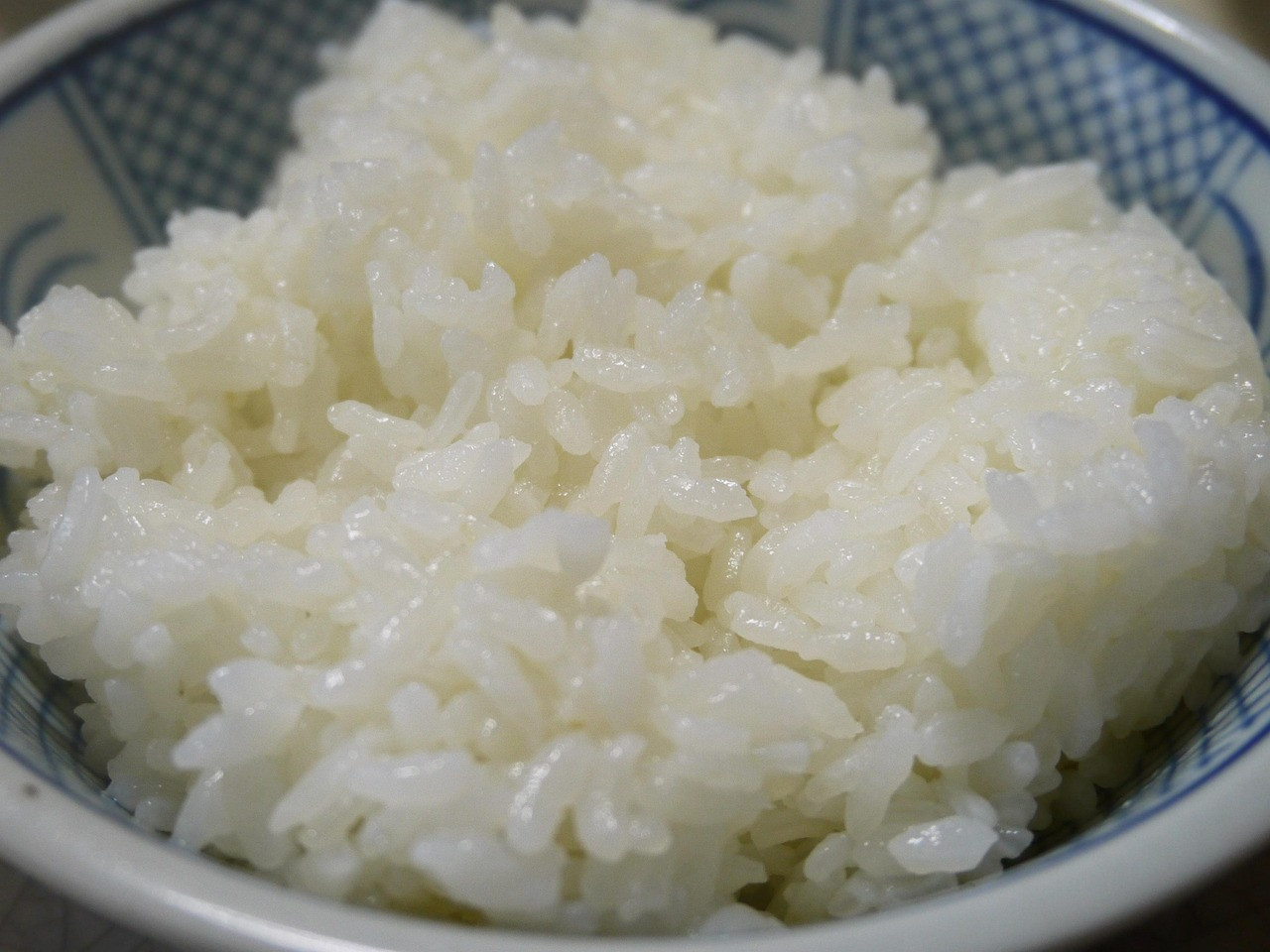
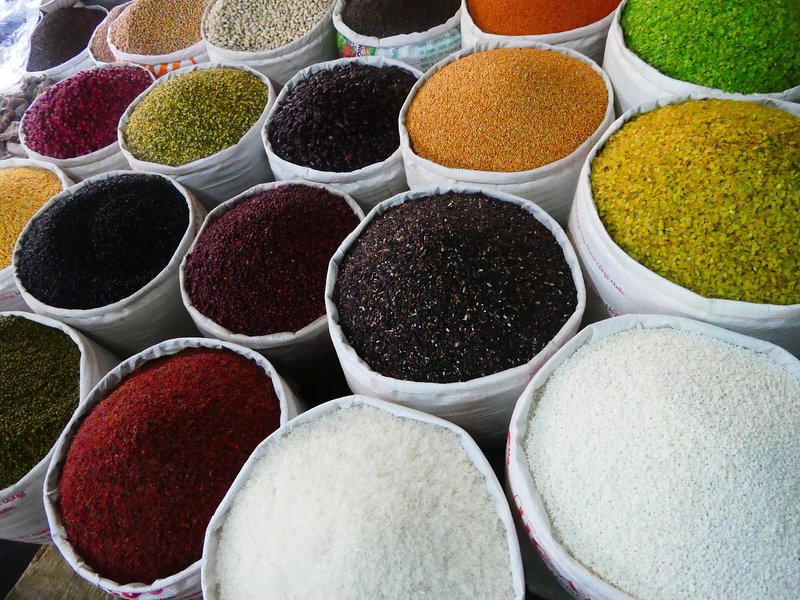
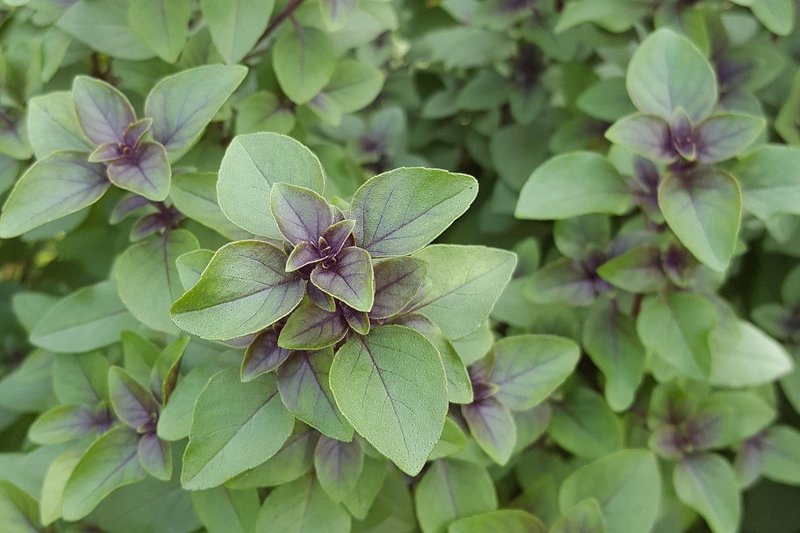
Representative image: mikuratv / Pixabay
Odisha's deputy chief ministers reviewed the planned Agri-CEVA centre in Bhubaneswar on 7 November 2026 to process healthier rice, heritage rice and millets.
What Happened
Odisha plans to set up a processing centre in Bhubaneswar that will turn healthier rice varieties, the state's traditional heritage rice and local millets into ready-to-sell nutritious foods. Deputy Chief Ministers Kanak Vardhan Singh Deo and Pravati Parida reviewed the planned specialty rice and millet processing facilities at Baramunda in Bhubaneswar on Saturday, 7 November 2026. The centre is to be called the Odisha Agricultural Centre of Excellence for Value Addition, or Agri-CEVA. Singh Deo said the state will prepare a roadmap to make healthier rice, millets and products made from them more widely available across Odisha. During the visit the two leaders spoke with scientists of the International Rice Research Institute (IRRI) and officials of Mission Shakti, the Odisha University of Agriculture and Technology (OUAT) and the Odisha Agro Industries Corporation.
Key Facts
- Agri-CEVA stands for Odisha Agricultural Centre of Excellence for Value Addition; it is planned at Baramunda in Bhubaneswar.
- It will process IRRI-developed nutritious rice varieties, under-used heritage rice varieties of Odisha and local millets.
- The Agricultural Promotion and Investment Corporation of Odisha Limited (APICOL) will arrange market links and prepare business plans for the facility.
- The state says the centre will create openings for farmers, women entrepreneurs and rural enterprises.
- Odisha plans to expand healthier rice cultivation from about 1,200 hectares to 10,000 hectares over four to five years.
- At the Odisha Healthier Rice Business Summit in October 2026, agreements covered around 1,000 tonnes of healthier rice worth about Rs 6 crore.
- No budget, timeline or construction schedule for Agri-CEVA has been published.
Why It Matters
Rice is central to Odisha's farms and kitchens, and the state has a range of indigenous specialty varieties, including Kalajeera, for which IRRI has offered support on cultivation and value addition. The state's plan tries to give such rice a wider market, by treating it as a premium, health-oriented food rather than an ordinary grain.
The word "healthier" here refers to particular varieties that IRRI and state researchers are promoting, including low-GI rice. GI, or glycemic index, is a measure of how quickly a food raises blood sugar after eating; lower-GI foods raise it more slowly. IRRI says its support to Odisha covers protecting the aroma, genetic purity and quality of the state's indigenous specialty rice, and developing health-oriented varieties. These are the researchers' and the state's descriptions; this story makes no claim that any variety prevents or treats disease.
Processing is the gap the centre is meant to fill. Officials say processing will cut post-harvest losses and extend shelf life, which would help Odisha's products reach markets in India and abroad. The state's own word for the goal is value addition: turning grain into products, with APICOL asked to find buyers and draw up business plans so the centre can run as an enterprise and not only as a research site.
Women's groups are part of the plan. The presence of Mission Shakti, the state's programme for women's self-help groups, at the review suggests that women-led enterprises are expected to make and sell some of the products.
Peepals calculation: Going from about 1,200 to 10,000 hectares of healthier rice means multiplying the area by about 8.3 (10,000 ÷ 1,200 ≈ 8.33). The October summit's deals, about Rs 6 crore for around 1,000 tonnes, work out to roughly Rs 60 a kilogram (Rs 6,00,00,000 ÷ 10,00,000 kg = Rs 60). Our calculation from the reported figures.
| Item | Figure |
|---|---|
| Healthier rice area now | About 1,200 hectares |
| Target area in 4-5 years | 10,000 hectares |
| Rice covered by summit deals (Oct 2026) | Around 1,000 tonnes |
| Value of those deals | About Rs 6 crore |
| Agri-CEVA budget or opening date | Not announced |
Impact
Short-term: The state will now prepare its roadmap for healthier rice and millets, and APICOL will work on business plans and market links for the centre.
Long-term: If the centre is built and buyers come, farmers growing heritage and healthier rice could earn more per kilogram, women's groups could gain work in processing, and more of Odisha's traditional grains could reach shops outside the state.
Who is affected: Rice and millet farmers in Odisha, women's self-help groups, food processors, and shoppers looking for traditional grains.
Key Takeaway
Odisha's planned Agri-CEVA centre aims to turn the state's heritage rice, healthier rice varieties and millets into processed foods that last longer and sell further afield.
Questions and Answers
What is Agri-CEVA in Odisha?
Agri-CEVA is the Odisha Agricultural Centre of Excellence for Value Addition, a planned facility at Baramunda in Bhubaneswar to process healthier rice, heritage rice and millets into nutritious products.
When was the Agri-CEVA site reviewed?
Deputy Chief Ministers Kanak Vardhan Singh Deo and Pravati Parida reviewed the planned facilities on Saturday, 7 November 2026, with IRRI scientists and state officials.
What is low-GI rice?
It is rice with a lower glycemic index, meaning it raises blood sugar more slowly after eating. IRRI is helping Odisha develop such health-oriented varieties.
How much healthier rice does Odisha grow?
About 1,200 hectares now, and the state plans to reach 10,000 hectares in four to five years.
Disclaimer: Prepared by the Peepals newsroom from publicly available sources with AI assistance. Information is accurate to the best of our knowledge at the time of publication and may change. Images may be representative. Not professional advice. Report an error via our contact page.
By Devansh Tiwari, Knowledge Systems WriterCovers Knowledge Systems and more for Peepals Sanskriti. All stories by Devansh Tiwari
Pushkar Mela 2026: flag-hoisting on November 17, holy dip on Kartik Purnima
Yu Yanhong, ex-China traditional medicine chief, surrenders to graft probe
Get the day's stories in your inbox
Peepals Weekly: the week decoded, free. One email a week, unsubscribe in one click.
Devansh Tiwari is a pen name of the Peepals Global Editorial Team, which researches, fact-checks and publishes every story. The portrait is an illustration.