
Odisha millet target: 5 lakh hectares by 2047, ICAR chief says
 By Ishita SenCulture & Heritage Editor, Peepals Sanskriti
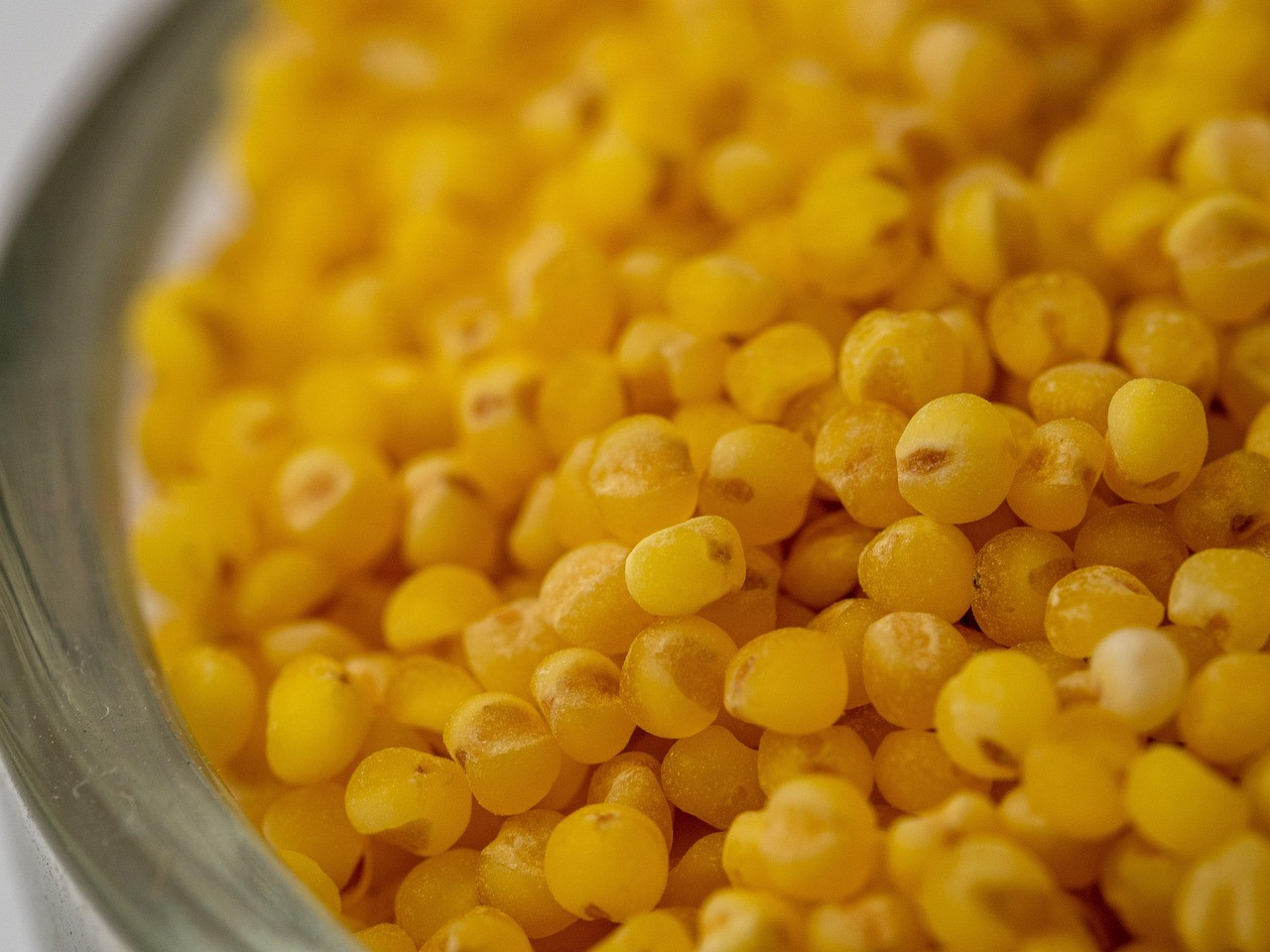
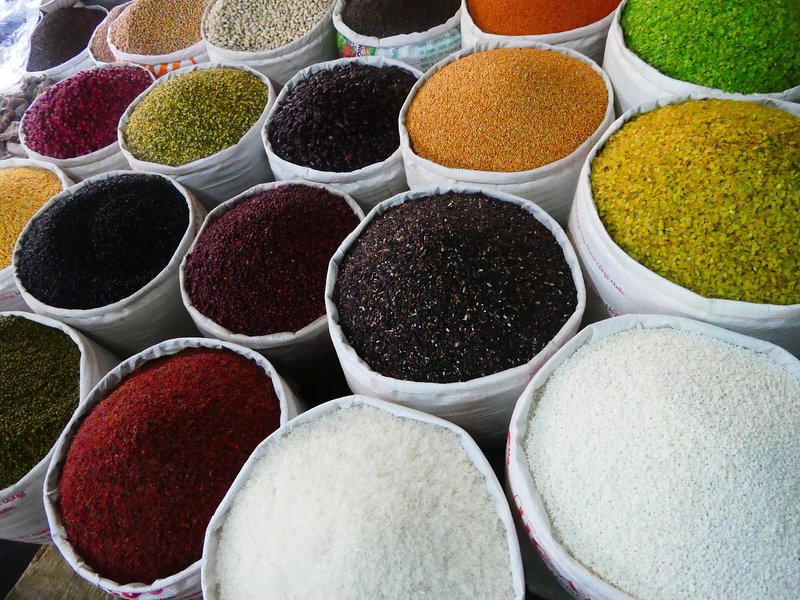
Representative image: martin_hetto / Pixabay
ICAR chief Mangi Lal Jat set a goal of growing millets on 5 lakh hectares in Odisha by 2047, up from 1.79 lakh, at a Bhubaneswar symposium on 10 November 2026.
What Happened
Odisha should grow millets on 5 lakh hectares by 2047, up from 1.79 lakh hectares now, and produce 8 lakh tonnes a year, Indian Council of Agricultural Research (ICAR) Director General Mangi Lal Jat said in Bhubaneswar on Tuesday, 10 November 2026. He was giving the keynote address at a two-day national symposium on Shree Anna (the government's name for millets) and traditional seed systems, held in the presence of Odisha Governor Brajmohan Ram and the state's agriculture minister. The Governor urged young people, students and government employees to make millets part of their daily diet, saying these grains had been part of traditional food habits for centuries.
Key Facts
- Event: two-day national symposium on Shree Anna and strengthening of traditional seed systems, from 10 November 2026 in Bhubaneswar.
- Target: millet area in Odisha to rise from 1.79 lakh hectares to 5 lakh hectares by 2047, with production of 8 lakh tonnes, as outlined by the ICAR Director General.
- Minor millets: Jat called for promoting minor millets such as suan and kangu.
- Proposal: a Centre of Excellence on Millets at the Odisha University of Agriculture and Technology.
- Seeds: speakers stressed conserving the state's 163 documented landraces of finger millet.
- Groups: farmer producer organisations and women's self-help groups to be strengthened in the millet chain, speakers said.
- Governor's appeal: make millets part of the daily diet, citing public health, farmers' incomes and the environment.
Why It Matters
Millets are small-grained cereals such as finger millet (ragi), pearl millet (bajra) and sorghum (jowar). The Governor described them as part of traditional food habits for centuries, and linked their return to public health, farmers' incomes and the environment; the government's name for them, Shree Anna, reflects the same push. Those are the claims of the speakers; the symposium reports do not cite specific health studies, and this story makes no health claim of its own. For a heritage food to return to modern kitchens, though, there has to be enough of it, at a fair price, in forms people can cook easily. That is what an area and production target is about.
The seed part of the symposium matters as much as the numbers. A landrace is a local variety that farmers have selected and saved over generations, adapted to one area's soil, rain and taste. Odisha has documented 163 such finger millet landraces. If farmers stop growing them, the seeds are lost, and with them traits such as drought tolerance that plant breeders may need later. Conserving them keeps both a food tradition and a genetic resource alive.
The Governor's appeal links this to daily life. A larger area under millets helps farmers only if people buy and eat the grain, and school meals, canteens and households are where that demand comes from. The proposal to strengthen farmer producer organisations and women's self-help groups points to who could process and sell millet products, such as flour, flakes and snacks, closer to the farm.
Peepals calculation: the target means Odisha's millet area would grow about 2.8 times (5 ÷ 1.79 ≈ 2.79), an increase of 3.21 lakh hectares or about 179 per cent. Producing 8 lakh tonnes from 5 lakh hectares would need an average yield of 1.6 tonnes per hectare (8 ÷ 5 = 1.6). Our calculation from the reported figures.
| Measure | Now | 2047 target |
|---|---|---|
| Millet area in Odisha | 1.79 lakh hectares | 5 lakh hectares |
| Millet production | not given | 8 lakh tonnes |
| Average yield implied by the target | not given | 1.6 tonnes per hectare |
Impact
Short-term: The symposium gives the state and ICAR scientists a shared target and a list of priorities: minor millets, seed conservation and a Centre of Excellence at the state agricultural university.
Long-term: If the area target is met, more of Odisha's farmland would grow climate-hardy grains, and more millet would be available for meals, school feeding and processed foods.
Who is affected: millet farmers in Odisha; women's self-help groups and farmer producer organisations; the Odisha University of Agriculture and Technology; and consumers looking for traditional grains.
Key Takeaway
ICAR's chief set out a goal of growing millets on 5 lakh hectares in Odisha by 2047, up from 1.79 lakh, as the Governor urged people to bring the traditional grain back into daily meals.
Questions and Answers
What is Odisha's millet target for 2047?
ICAR Director General Mangi Lal Jat outlined a goal of growing millets on 5 lakh hectares in Odisha by 2047, up from 1.79 lakh hectares now, with production of 8 lakh tonnes a year.
What is Shree Anna?
Shree Anna is the Indian government's name for millets, the small-grained cereals such as finger millet (ragi), pearl millet (bajra) and sorghum (jowar).
Why are millet landraces important?
Landraces are local varieties farmers have saved over generations, suited to local conditions. Odisha has documented 163 finger millet landraces, and speakers at the 10 November 2026 symposium stressed conserving them.
What did the Odisha Governor say about millets?
Governor Brajmohan Ram urged young people, students and government employees to include millets in their daily diet, saying they had been part of traditional food habits for centuries and help health, farmers and the environment.
Disclaimer: Prepared by the Peepals newsroom from publicly available sources with AI assistance. Information is accurate to the best of our knowledge at the time of publication and may change. Images may be representative. Not professional advice. Report an error via our contact page.
By Ishita Sen, Culture & Heritage EditorCovers Culture & Heritage and more for Peepals Sanskriti. All stories by Ishita Sen
Chhath Puja 2026: soop, daura cost 20-25% more in Patna markets
Sabarimala 2026: 80,000 a day cap; don't dump clothes in Pamba, minister says
Get the day's stories in your inbox
Peepals Weekly: the week decoded, free. One email a week, unsubscribe in one click.
Ishita Sen is a pen name of the Peepals Global Editorial Team, which researches, fact-checks and publishes every story. The portrait is an illustration.