
FSSAI front-of-pack labels: Britannia, PepsiCo, HUL rework recipes before red warnings
 By Devansh TiwariKnowledge Systems Writer, Peepals Sanskriti
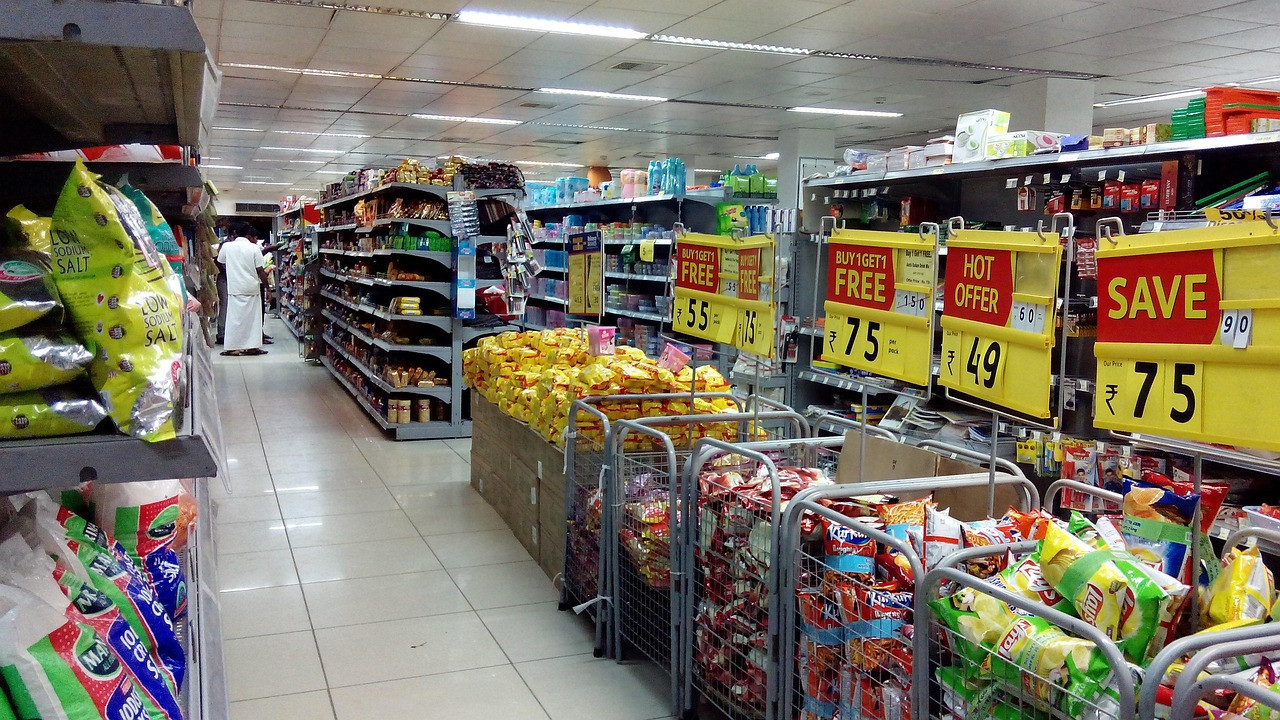
Representative image: itkannan4u / Pixabay
Britannia, PepsiCo and HUL are reported on 10 November 2026 to be cutting sugar, salt and fat as FSSAI's red front-of-pack warning labels draw closer.
What Happened
Some of India's largest packaged-food companies, including Britannia, PepsiCo and Hindustan Unilever (HUL), are looking to cut sugar, salt and fat in their products as stricter front-of-pack labelling rules draw closer, according to a report published on Tuesday, 10 November 2026. The Food Safety and Standards Authority of India (FSSAI) has proposed red warning labels on the front of packets for foods high in fat, sugar or salt. The Supreme Court, which is hearing a case on the labels, has questioned the regulator's proposed timeline and reserved its order. Britannia's managing director, Rakshit Hargave, acknowledged the challenge during the company's second-quarter earnings call.
Key Facts
- FSSAI has proposed red front-of-pack warnings such as "High Fat", "High Sugar", "High Salt" and "Highly Sweetened Beverage", depending on a product's nutrition.
- Britannia, PepsiCo and HUL are reported to be reworking recipes to reduce sugar, salt and fat before the rules arrive.
- On 13 August 2026 the Supreme Court gave the Centre two weeks to state its final position on the warning labels.
- FSSAI told the court it would roll the labels out in a single phase, with about four months for drafting followed by a year of voluntary compliance.
- At the hearing on 28 September 2026 the court questioned the need for a year of voluntary compliance and reserved its order.
- HUL has publicly welcomed FSSAI's proposed front-of-pack labelling requirements, saying they could improve transparency.
- The draft labelling rules were first notified in 2022 and drew more than 14,000 stakeholder comments, a parliamentary committee has noted.
Why It Matters
The label on the back of a packet already lists nutrients, but few shoppers read the small print. Front-of-pack labels put a simple message where the buyer looks first. India's earlier draft, from 2022, proposed a rating system called the "Indian Nutrition Rating". The red warning format now before the Supreme Court is blunter: it tells the buyer plainly that a biscuit, snack or drink is high in sugar, salt or fat. The reports from India suggest that the prospect alone is already pushing manufacturers to change recipes so their products avoid carrying the warnings.
For Indian kitchens, this touches everyday foods: biscuits with tea, instant noodles, namkeen and chips, breakfast cereals, flavoured milk and fizzy drinks. These are the foods health experts link to rising obesity, diabetes and high blood pressure in India. Traditional Indian diets built on whole grains, pulses and home-cooked meals sit at the other end of that spectrum, and the labels may make that contrast clearer to shoppers.
The timing remains the open question. FSSAI's own plan would give companies around 16 months before compliance becomes compulsory. Health experts and industry are divided on how quickly the labels should come in, with companies seeking time to reformulate. The Supreme Court's reserved order will decide which side's timeline prevails, and the court has said any order it passes would bind the regulator.
Reformulation is not simple. Sugar and salt affect taste, texture and shelf life, and replacing them can raise costs or change a product people know. Companies have options such as smaller packs, reduced-sugar variants and different sweeteners, but each brings its own trade-offs. Whether shoppers accept the changed products will matter as much as the rule itself.
Peepals calculation: Under FSSAI's single-phase proposal, about four months of drafting plus a year of voluntary compliance means roughly 16 months (4 + 12) before the labels become compulsory. Our calculation from the reported figures.
| Date | Development |
|---|---|
| 2022 | FSSAI notifies draft front-of-pack labelling rules |
| 13 August 2026 | Supreme Court gives Centre two weeks to state its position |
| 28 September 2026 | Court questions one-year voluntary period, reserves order |
| 10 November 2026 | Food makers reported to be reworking recipes |
Impact
Short-term: Shoppers may begin to see reduced-sugar or reduced-salt versions of familiar snacks and drinks, and smaller packs, as companies prepare.
Long-term: If the red warnings become compulsory, they could change what Indian families buy and push the whole packaged-food industry towards less sugar, salt and fat.
Who is affected: Consumers, especially parents buying snacks for children; packaged-food and beverage makers; small food businesses that will also need to comply; and public-health bodies.
What to watch next: The Supreme Court's reserved order on the timeline for front-of-pack warning labels.
Key Takeaway
With red "High Sugar", "High Salt" and "High Fat" warnings proposed for Indian food packets, big brands are reported to be reworking recipes while the Supreme Court decides how fast the rules must come.
Questions and Answers
What are FSSAI's front-of-pack warning labels?
They are proposed red labels on the front of food packets saying "High Fat", "High Sugar", "High Salt" or "Highly Sweetened Beverage", depending on the product's nutrition.
Which companies are changing their recipes?
A 10 November 2026 report says Britannia, PepsiCo and Hindustan Unilever are looking to reduce sugar, salt and fat in their products as the rules approach.
When will the front-of-pack labels become compulsory?
No final date has been set. FSSAI proposed about four months of drafting and a year of voluntary compliance, but the Supreme Court questioned that timeline and has reserved its order.
Did HUL support the new labelling rules?
Yes. Hindustan Unilever has welcomed FSSAI's proposed front-of-pack labelling requirements, saying they could improve transparency.
Disclaimer: Prepared by the Peepals newsroom from publicly available sources with AI assistance. Information is accurate to the best of our knowledge at the time of publication and may change. Images may be representative. Not professional advice. Report an error via our contact page.
By Devansh Tiwari, Knowledge Systems WriterCovers Knowledge Systems and more for Peepals Sanskriti. All stories by Devansh Tiwari
Chandannagar Jagaddhatri Puja gets state festival status, Rs 5 crore
Kalpathy Ratholsavam 2026: chariots roll November 14-16 after flag-hoisting
Get the day's stories in your inbox
Peepals Weekly: the week decoded, free. One email a week, unsubscribe in one click.
Devansh Tiwari is a pen name of the Peepals Global Editorial Team, which researches, fact-checks and publishes every story. The portrait is an illustration.