
Tea minimum sustainable price: five industry bodies back Tea Board panel
 By Devansh TiwariKnowledge Systems Writer, Peepals Sanskriti
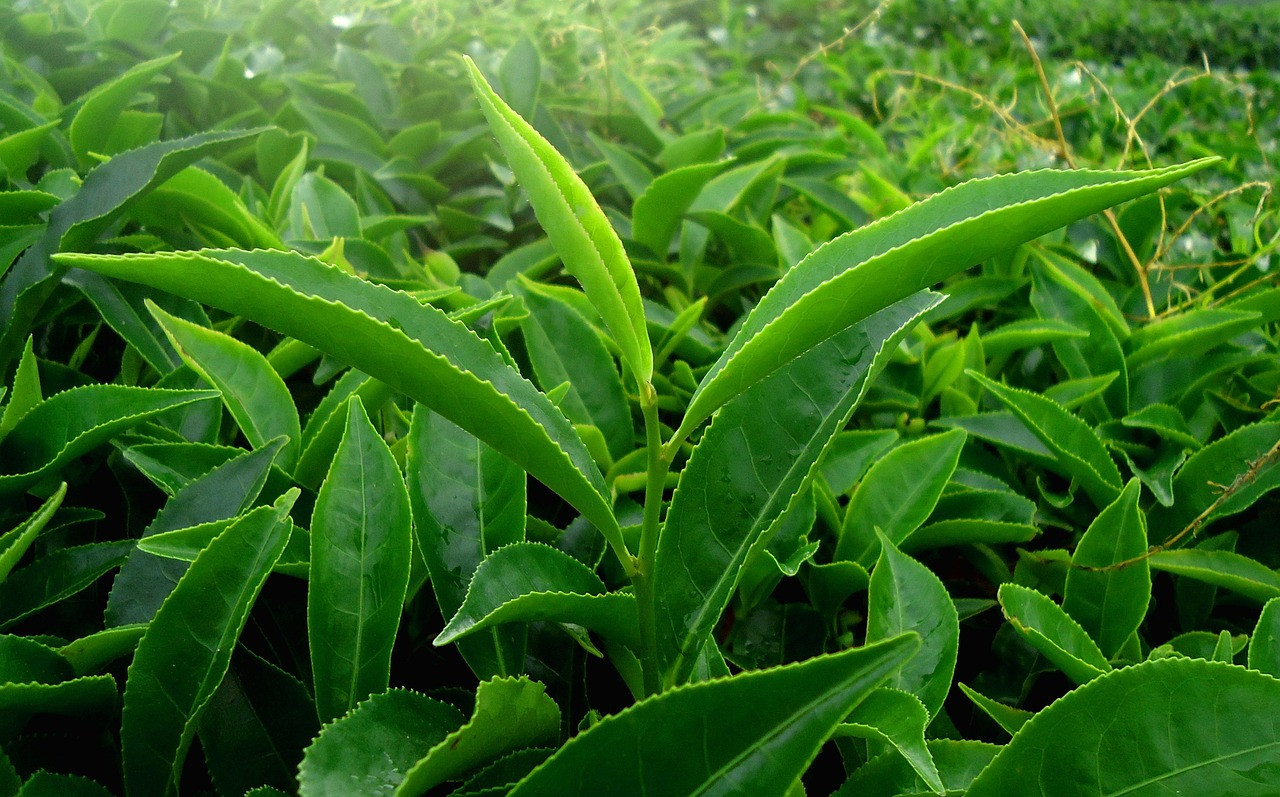
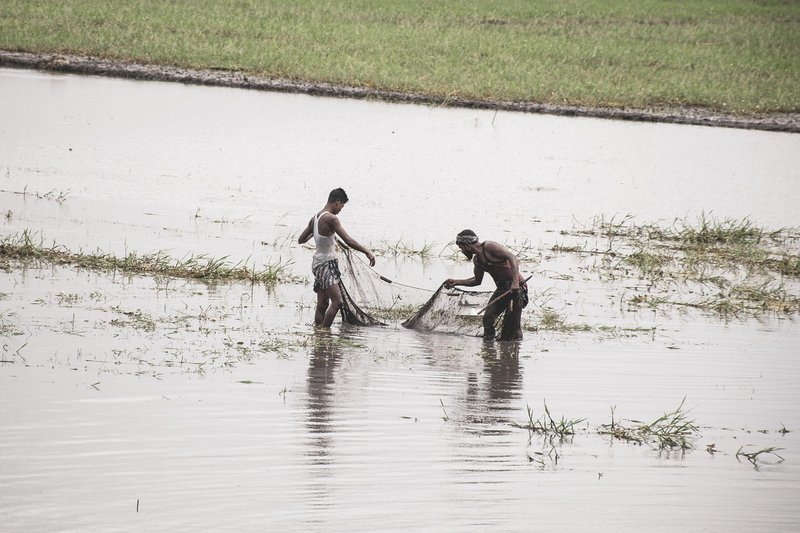
Representative image: ranjithsiji / Pixabay
Five tea industry bodies on 10 November 2026 backed a Tea Board panel's call for a minimum sustainable price for Indian tea.
What Happened
Five associations of India's tea industry publicly backed a proposal for a minimum sustainable price for tea at a press conference in Kolkata on Tuesday, 10 November 2026. The proposal comes from a 10-member committee set up by the Tea Board of India, which has recommended that a benchmark price be fixed using a composite index of wage movements and the Consumer Price Index, with periodic reviews. The committee's report on tea from Assam and West Bengal has been sent to the Union Ministry of Commerce, and the associations asked the ministry to notify the price at the earliest.
Key Facts
- The five bodies are the Indian Tea Association (ITA), the Tea Association of India (TAI), the United Planters' Association of Southern India (UPASI), CISTA and FITMA; together they speak for organised estates, small growers and bought-leaf factories.
- According to the industry, tea prices have grown at a compound annual rate of only about 2-3 per cent, while input costs have risen by an estimated 10-14 per cent a year.
- Industry bodies said employment accounts for roughly 60 per cent of the cost of producing tea, and that small growers now produce close to 55 per cent of India's tea.
- The recommendations have not been made public. Industry sources quoted in Assam said the price was worked out from production costs, with separate benchmarks for tea estates and bought-leaf factories.
Why It Matters
Tea is the everyday drink of most Indian homes, from the morning chai to the glass at a roadside stall. Behind it sits a long chain of gardens, small farms and factories. The industry's case is that the prices tea fetches have not kept pace with wages and other costs for years, leaving many gardens with little money to replant old bushes or improve quality.
In farm policy MSP usually means a minimum support price, at which the government buys a crop such as wheat. Industry leaders at the Kolkata briefing stressed that a minimum sustainable price is different: it would be a floor reference for what tea should fetch, not a promise that the government will buy the tea. ITA chairman Suneel Singh Sikand said fair, remunerative returns were needed to keep gardens running and to fund replanting and better productivity. UPASI's secretary general asked that the mechanism reflect regional differences in production costs.
The outcome is not certain. In December 2025 the Union government ruled out a minimum sustainable price for tea or green leaf and pointed instead to a price-sharing formula run through the Tea Board, according to reports at the time. The new committee report reopens that question. Small growers, who sell green leaf rather than finished tea, have separately been asking for an officially fixed green leaf rate of Rs 25 a kg, and some reported selling for Rs 18 to Rs 22 a kg in August 2026, according to reports from Assam.
Kenya tried a floor of $2.34 a kg for tea sold through the Kenya Tea Development Agency in 2021; it left farmers with unsold stocks and was later dropped, according to reports from Kenya.
Peepals calculation: Taking the middle of the industry's own ranges, prices rising 2.5 per cent a year for five years end up about 13 per cent higher (1.025 to the power of 5 is about 1.13), while costs rising 12 per cent a year end up about 76 per cent higher (1.12 to the power of 5 is about 1.76). Earlier official data reported from Assam put the average cost of making a kilogram of tea at Rs 80 in 2010 and Rs 140 in 2024, a rise of 75 per cent (140 divided by 80 is 1.75). Our calculation from the reported figures.
| Measure | Figure reported |
|---|---|
| Tea price growth, compound per year | about 2-3% |
| Input cost growth, per year | about 10-14% |
| Share of employment in production cost | about 60% |
| Small growers' share of India's tea output | about 55% |
| Assam cost per kg of tea, 2010 to 2024 | Rs 80 to Rs 140 |
Impact
Short-term: Nothing changes yet. The proposal is only a committee recommendation, and the Commerce Ministry has not said whether it will notify it. The sources do not say how a benchmark price would affect the retail price of packet tea.
Long-term: If a benchmark is notified and reviewed in line with wages and inflation, gardens and small growers could gain steadier earnings. If it is set too high, the Kenyan experience shows tea can go unsold.
Who is affected: Tea garden owners and workers in Assam, West Bengal and south India, small growers, bought-leaf factories, tea buyers and blenders.
Key Takeaway
India's tea industry wants the Commerce Ministry to notify a Tea Board panel's minimum sustainable price, built on wages and inflation, to close the gap between slow-rising prices and fast-rising costs.
Questions and Answers
What is the tea minimum sustainable price?
It is a proposed benchmark price for Indian tea, recommended by a 10-member Tea Board of India committee, to be set from an index of wage movements and consumer price inflation and reviewed from time to time.
Is the tea minimum sustainable price the same as a minimum support price?
No. Industry leaders said it would be a floor reference for prices, not an obligation on the government to buy tea, as happens with minimum support prices for crops like wheat.
Who supported the proposal on 10 November 2026?
The Indian Tea Association, the Tea Association of India, UPASI, CISTA and FITMA, at a joint press conference in Kolkata.
Has the government approved the minimum sustainable price for tea?
Not yet. The committee's report is with the Union Commerce Ministry, its recommendations have not been made public, and the government had ruled out such a price in December 2025.
Disclaimer: Prepared by the Peepals newsroom from publicly available sources with AI assistance. Information is accurate to the best of our knowledge at the time of publication and may change. Images may be representative. Not professional advice. Report an error via our contact page.
By Devansh Tiwari, Knowledge Systems WriterCovers Knowledge Systems and more for Peepals Sanskriti. All stories by Devansh Tiwari
Hasanamba temple closes for 2026 after 30 lakh devotees, record Rs 25.36 crore
Tiruchendur Kanda Sashti 2026: Soorasamharam on November 15, six lakh expected
Get the day's stories in your inbox
Peepals Weekly: the week decoded, free. One email a week, unsubscribe in one click.
Devansh Tiwari is a pen name of the Peepals Global Editorial Team, which researches, fact-checks and publishes every story. The portrait is an illustration.