
Jammu's Raghunath Temple trains young women as priests; 150 now on waiting list
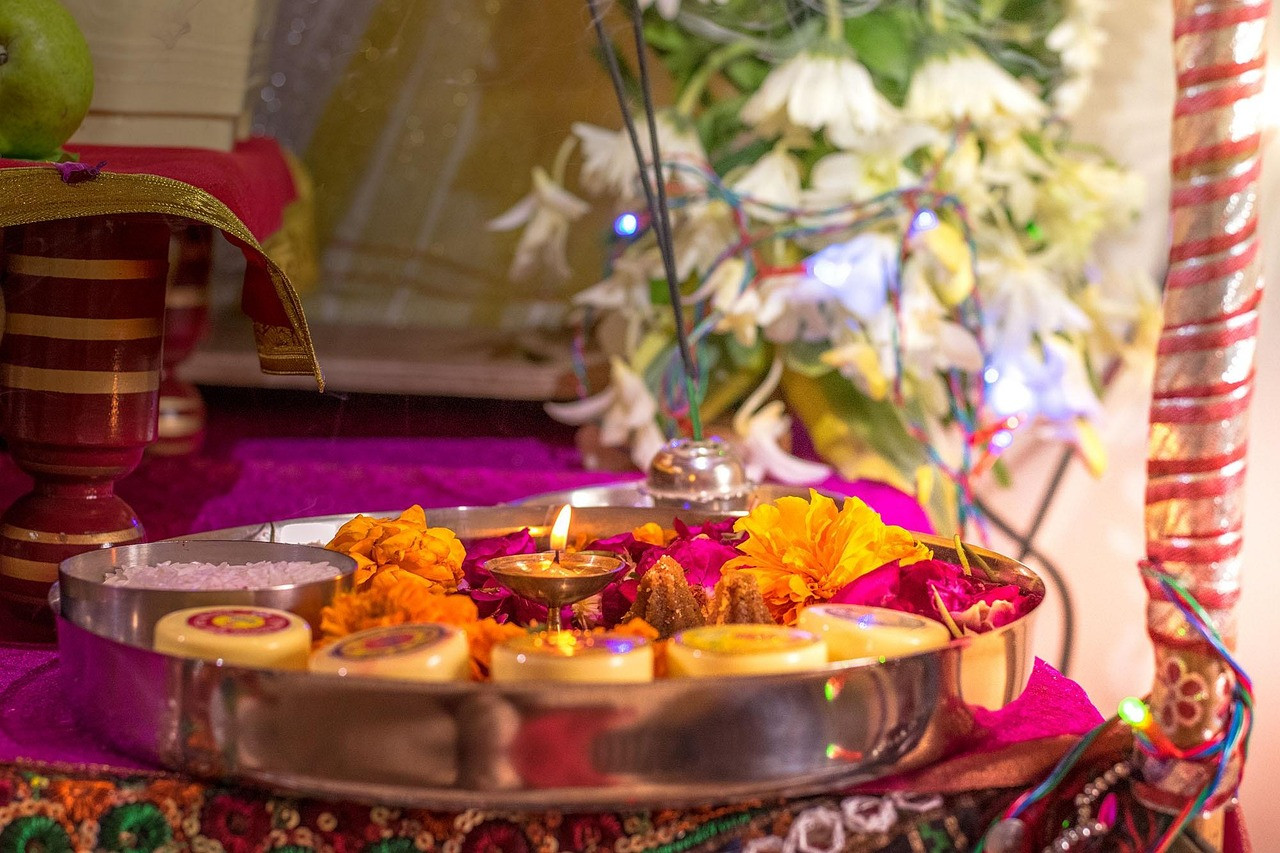
Representative image: suketdedhia / Pixabay
A programme at Jammu's Raghunath Ji Temple training young women as panditains, taught by Banaras scholars, has grown from five girls to about 150 on a waiting list.
What Happened
Young women in Jammu are training to perform the daily rituals of the city's Shri Raghunath Ji Temple, a role held by men for generations, in a programme that has grown from five trainees to a waiting list of about 150, its organiser said in reports published on Monday, October 19, 2026. More than 100 female university students have volunteered for the training, according to the Jammu Deputy Commissioner. They are being taught by scholars from Banaras (Varanasi) and priests from local temples to lead aartis, recite mantras and conduct havans, with the aim of becoming panditains, or women priests, who can carry out ceremonies on their own.
Key Facts
- The programme is run at the Shri Raghunath Ji Temple in Jammu, built in 1835, by Kunwrani Ritu Singh of the Shri Raghunath Ji Jammu Aarti Sanstha.
- It began with five girls and now has about 150 women on its waiting list, Singh said.
- More than 100 female university students have volunteered, the Jammu Deputy Commissioner said.
- Training lasts about three months and is given by scholars from Banaras and local temple priests.
- Women first led the evening aarti at the temple in June 2026.
- Trainees learn aarti, mantra recitation and havan, and are meant to eventually handle rituals independently.
Why It Matters
Temple ritual in India has long been a hereditary, male domain. Knowledge of mantras, the order of worship and the conduct of fire rituals has usually passed from father to son within priestly families. The Jammu programme opens that body of practice to young women from outside those families and teaches it in a structured way, with set training and teachers drawn from Varanasi, one of the oldest centres of Sanskrit and Vedic learning.
That matters for the transmission of the tradition itself. Ritual knowledge survives only when people learn it, practise it and pass it on. A formal training route that welcomes women widens the pool of people who can keep the practice alive, and does so with teachers from an established centre of learning rather than through informal imitation.
The organisers present the programme as adding women to the temple's ritual life, not replacing men. Singh has said the goal is for the trainees to take on the full role of panditains, performing havans, rituals and mantra recitation independently. According to the reports, people in other parts of India have since asked to start similar efforts in their own temples.
| Point | Detail |
|---|---|
| Temple | Shri Raghunath Ji Temple, Jammu (built 1835) |
| Started with | Five girls |
| Waiting list now | About 150 |
| Volunteers | More than 100 female university students |
| Teachers | Scholars from Banaras and local temple priests |
| First women-led aarti | June 2026 |
There are open questions. The reports do not say whether the trained women will be paid, appointed to regular temple duties or certified in any formal way, nor how the temple's existing priests view the change. Some figures also differ between reports: earlier coverage spoke of about 150 women in training, while the latest describes 150 on a waiting list. These details will decide whether the programme becomes a lasting model or remains a single temple's experiment.
For readers interested in India's knowledge traditions, the Jammu effort is a reminder that these traditions are not only texts in libraries and manuscript collections. They also live in practice, in how mantras are pronounced and rituals are performed, and that kind of knowledge depends on people willing to learn it.
Impact
Short-term: More young women will take part in the temple's daily aartis and rituals as training continues, and the waiting list suggests demand outstrips places.
Long-term: If the programme lasts and spreads, it could create a recognised route for women to become temple priests in other parts of India and widen the circle of people who carry ritual knowledge forward.
Who is affected: Young women and university students in Jammu; the Raghunath Ji Temple and its devotees; traditional priests and their families; and temples elsewhere considering similar training.
Key Takeaway
A programme at Jammu's Raghunath Ji Temple is training young women as panditains, taught by Banaras scholars, and has grown from five trainees to a waiting list of about 150.
Questions and Answers
What are the panditains of Jammu's Raghunath Temple?
They are young women being trained to perform the temple's daily aartis, mantra recitation and havans, roles traditionally held by male priests. The programme is run by Kunwrani Ritu Singh of the Shri Raghunath Ji Jammu Aarti Sanstha.
Who trains the women?
Scholars from Banaras (Varanasi) and priests from local temples, over about three months, according to the organisers and the Jammu Deputy Commissioner.
How many women have joined?
The programme started with five girls. More than 100 female university students have volunteered, and Singh says about 150 women are now on the waiting list.
When did women first lead aarti at the Raghunath Temple?
Women first led the evening aarti at the temple in June 2026.
Disclaimer: Prepared by the Peepals newsroom from publicly available sources with AI assistance. Information is accurate to the best of our knowledge at the time of publication and may change. Images may be representative. Not professional advice. Report an error via our contact page.
Sourced and fact-checked by the Peepals Global Editorial Team
Ayodhya Ram Mandir doubles free Sugam Darshan passes to 2,000 a day
FSSAI tells sellers to keep khoa, paneer cold from source to sale as festivals begin
Reported, fact-checked and published by the Peepals Global Editorial Team.