
Mori Gate khoya raid: Delhi destroys 7,000 kg as 35 of 44 samples fail
 By Ishita SenCulture & Heritage Editor, Peepals Sanskriti
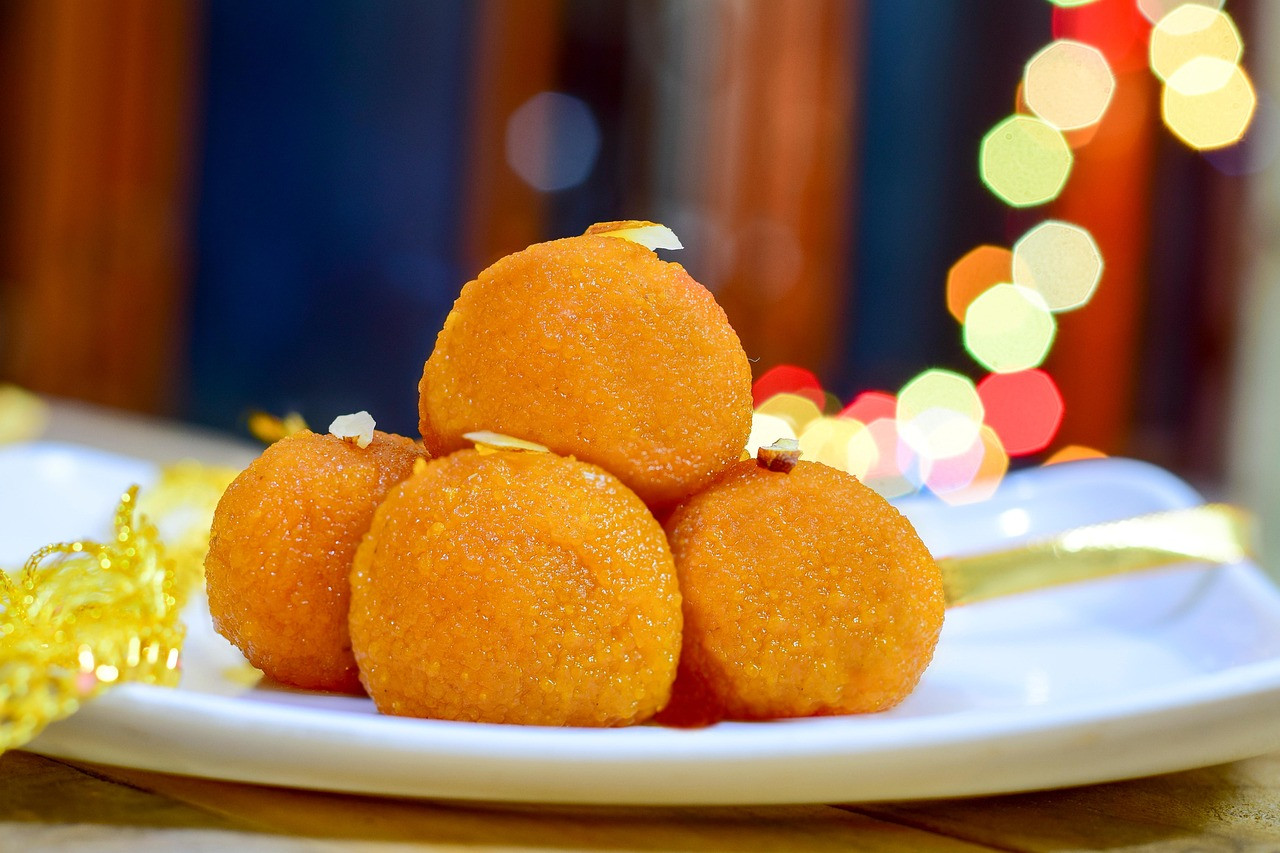
Representative image: RavendraSingh / Pixabay
Delhi's Food Safety Department destroyed about 7,000 kg of khoya at Mori Gate on 3 November 2026 after 35 of 44 samples failed on-the-spot tests before Diwali.
What Happened
The Delhi government's Food Safety Department seized and destroyed about 7,000 kg of unhygienic, foul-smelling khoya at the Mori Gate khoya market on Tuesday, 3 November 2026, the government said. Officials took 44 samples and tested them on the spot with the department's mobile "Food Safety on Wheels" laboratory; 35 of them failed the preliminary tests. Chief Minister Rekha Gupta visited the market during the drive, five days before Diwali, which falls on Sunday, 8 November.
Key Facts
- Place and date: Mori Gate khoya market, Delhi, Tuesday, 3 November 2026.
- About 7,000 kg of khoya was seized and destroyed, according to the Delhi government.
- 44 surveillance samples were tested on the spot; 35 failed the preliminary checks.
- Two further samples were sent to a laboratory for detailed examination.
- Preliminary tests pointed to milk powder, vanaspati and binding substances in the suspect khoya, according to reports of the official statement.
- The drive takes the festive-season total of khoya destroyed in Delhi to 10,660 kg, after earlier drives on 4 September, 8 September and 23 October.
- The government said strict legal action would be taken against those found involved in adulteration.
Why It Matters
Khoya, also called mawa, is milk slowly cooked down until most of its water is gone. It is the base of many of the sweets that families buy and exchange at Diwali, from barfi to gulab jamun and peda. Demand peaks in the days before the festival, and that is also when food safety departments across north India step up checks on dairy products such as khoya, paneer and ghee.
The Mori Gate market is a khoya mandi, a market where khoya is traded in bulk. A check at that level reaches further than a raid on a single shop, because the same stock can end up with many sweet makers.
The results so far are preliminary. An on-the-spot test is a screening tool: it flags samples that look wrong so that they can be held or destroyed, but the legal finding that a product is adulterated or unsafe depends on laboratory analysis. That is why two samples were sent on for detailed testing, and why reports describe the suspected additives, milk powder, vanaspati (hydrogenated vegetable fat) and binding agents, as indications rather than final results. Using milk powder or vegetable fat is not in itself dangerous, but selling such a mix as pure milk khoya misleads buyers about what they are paying for, and khoya kept in unhygienic conditions can spoil.
For families, the festival-season message from food regulators is a practical one: buy from shops that hold a food licence or registration, look at how the product is stored, and report a problem to the food safety department. Delhi's government has said its inspections will continue across the city.
Peepals calculation: Before this drive, the three earlier drives had already destroyed 3,660 kg of khoya (10,660 - 7,000). The 3 November drive alone therefore accounts for about 66% of the season's total (7,000 / 10,660 ≈ 0.657), or nearly twice as much as the three earlier drives combined (7,000 / 3,660 ≈ 1.9). Of the samples tested on the spot, about 80% failed (35 / 44 ≈ 0.795). Our calculation from the reported figures.
| Drive | Date | Khoya destroyed |
|---|---|---|
| Earlier drives | 4 Sep, 8 Sep and 23 Oct 2026 | 3,660 kg in total |
| Mori Gate market | 3 Nov 2026 | about 7,000 kg |
| Festive season so far | September to November 2026 | 10,660 kg |
Impact
Short-term: Sweet makers and shops that buy from the market face closer checks in the last days before Diwali, and the destroyed stock is off the market.
Long-term: The laboratory results will decide whether cases are filed under food safety law, and the government has said that enforcement will continue beyond the festival.
Who is affected: Khoya traders and suppliers at the market, sweet shops that depend on wholesale khoya, and households in Delhi buying sweets for Diwali.
What to watch next: The laboratory reports on the two samples sent for detailed examination, which will decide any legal action.
Key Takeaway
Delhi's food safety officers destroyed about 7,000 kg of khoya at Mori Gate on 3 November 2026 after 35 of 44 samples failed on-the-spot tests, taking the festive-season total to 10,660 kg.
Questions and Answers
How much khoya was destroyed at Mori Gate in Delhi?
About 7,000 kg of unhygienic, foul-smelling khoya was seized and destroyed at the Mori Gate khoya market on Tuesday, 3 November 2026, according to the Delhi government.
Has the khoya been proved to be adulterated?
Not yet. 35 of 44 samples failed preliminary on-the-spot tests, which suggested milk powder, vanaspati and binding agents. Two samples were sent to a laboratory, and the final finding depends on those results.
How much khoya has Delhi destroyed this festive season?
10,660 kg in total, according to the government, from drives on 4 September, 8 September, 23 October and 3 November 2026.
Who visited the raid?
Delhi Chief Minister Rekha Gupta visited the market during the drive, and the government said strict legal action would follow against those found involved in adulteration.
Disclaimer: Prepared by the Peepals newsroom from publicly available sources with AI assistance. Information is accurate to the best of our knowledge at the time of publication and may change. Images may be representative. Not professional advice. Report an error via our contact page.
By Ishita Sen, Culture & Heritage EditorCovers Culture & Heritage and more for Peepals Sanskriti. All stories by Ishita Sen
Get the day's stories in your inbox
Peepals Weekly: the week decoded, free. One email a week, unsubscribe in one click.
Ishita Sen is a pen name of the Peepals Global Editorial Team, which researches, fact-checks and publishes every story. The portrait is an illustration.