
FSSAI draft bars added sugars in food for babies under 6 months
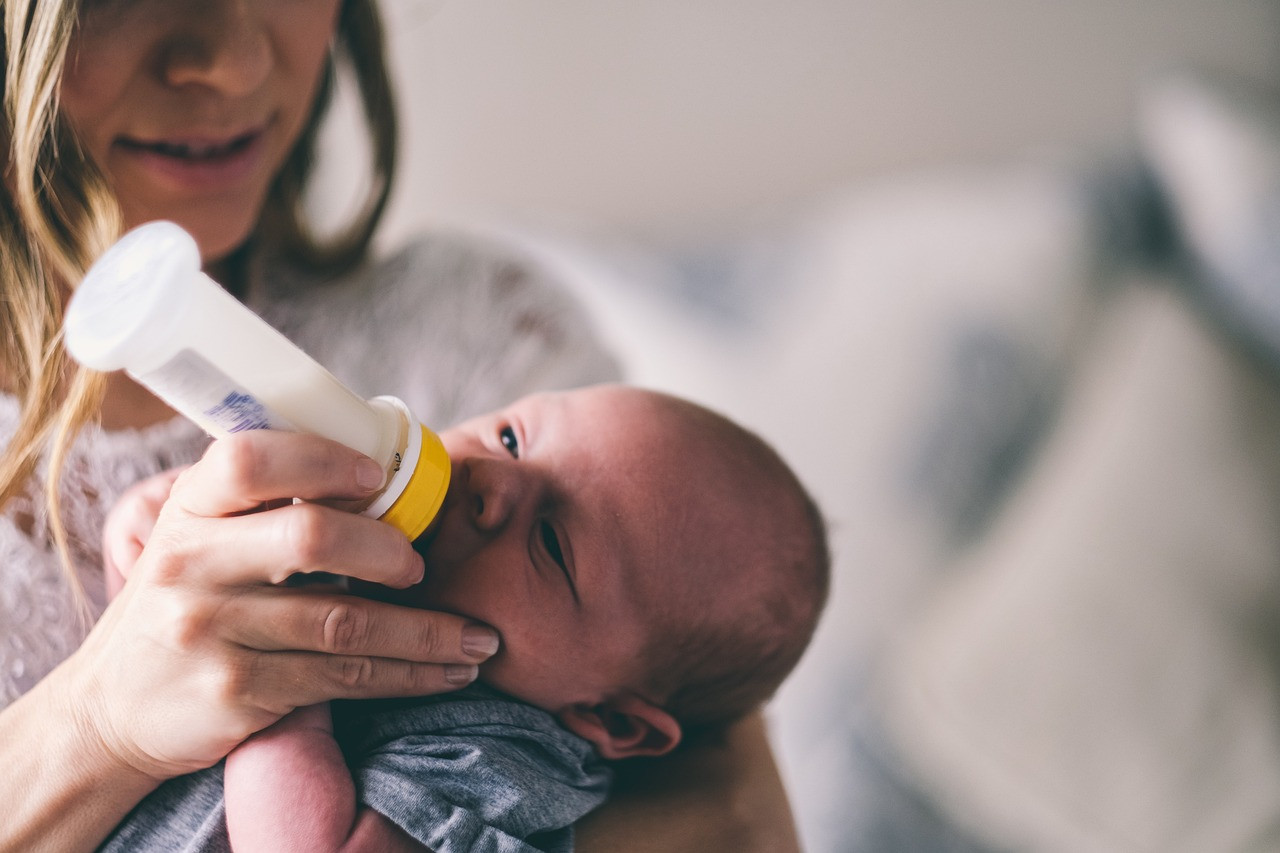
Representative image: StockSnap / Pixabay
FSSAI's draft of October 16, 2026 would bar added sucrose and fructose in foods for infants up to six months and set residue limits for two insecticides in tea.
What Happened
The Food Safety and Standards Authority of India (FSSAI) has proposed that no sucrose or fructose be added to foods meant for babies up to six months old. The proposal is part of a draft amendment to the country's infant nutrition rules, published in the official Gazette on Friday, October 16, 2026. A separate draft published in the Gazette the same day proposes maximum limits for two insecticide residues in tea. Both drafts are open for public comment before the regulator decides on final rules.
Key Facts
- The draft is titled the Food Safety and Standards (Foods for Infant Nutrition) Amendment Regulations, 2026, and amends the 2020 infant nutrition regulations.
- It would bar added sucrose (table sugar) and fructose (fruit sugar) in foods for infants aged up to six months.
- Under the current rules, lactose and glucose polymers are the preferred carbohydrate sources in infant foods; sucrose or fructose may be added only when needed as a carbohydrate source, within set limits.
- The regulator has invited objections and suggestions within 60 days of the date copies of the Gazette are made available to the public.
- A separate draft amends the Contaminants, Toxins and Residues Regulations, 2011, to set limits for acetamiprid and imidacloprid in tea.
- The proposed tea limits are 20 milligrams per kilogram for acetamiprid and 50 milligrams per kilogram for imidacloprid.
- Neither change is in force yet; both remain proposals until FSSAI considers the comments and notifies final regulations.
Why It Matters
The first six months are the most sensitive stage of a child's diet. Health authorities, including the World Health Organization, recommend that babies are fed only breast milk in this period, and products such as infant formula are meant to stand in where breastfeeding is not possible. Reports on the draft say the move is linked to concerns about childhood obesity and to the advice on exclusive breastfeeding. Taking these sugars out of foods for the youngest babies would leave lactose, the sugar found naturally in milk, and glucose polymers as the main carbohydrate sources.
The issue of sugar in baby food has been in the news in India before. In 2024, a Swiss investigative group reported that infant cereals sold by a large multinational company in lower-income countries, including India, contained added sugar while the same products in some European markets did not. The regulator said at the time that it was examining the report. The new draft does not name any company and applies to the whole category of foods for infants up to six months.
The tea proposal touches one of India's most widely consumed drinks. Acetamiprid and imidacloprid belong to the neonicotinoid group of insecticides, which tea growers use against sap-sucking pests. A maximum residue limit (MRL) is the highest amount of a pesticide legally allowed to remain on or in a food. Without a specific limit for a crop, testing and trade can become uncertain, both for growers and for buyers abroad. Reports on the draft say the acetamiprid limit of 20 milligrams per kilogram is lower than the limits of 30 in Japan and 50 in the United States, and that the imidacloprid figure was set with reference to standards of the Codex Alimentarius, the international food standards body.
| Proposal | Food | What changes |
|---|---|---|
| No added sucrose or fructose | Foods for infants up to 6 months | Only lactose and glucose polymers as main carbohydrates |
| Acetamiprid limit | Tea | 20 mg per kg |
| Imidacloprid limit | Tea | 50 mg per kg |
Impact
Short-term: Makers of infant formula and other foods for babies under six months have 60 days to send their comments. Parents will not see any change on shop shelves yet, because the draft must be finalised and notified, usually with time given to companies to change their recipes and labels. Tea producers and exporters will also study the proposed limits during the comment period.
Long-term: If adopted, the rule would set a clear, uniform standard: no added table sugar or fruit sugar in foods for the youngest infants. Companies would need to reformulate any product that now uses these sugars. For tea, fixed residue limits would give food safety officers a clear test standard and give growers a target to plan their spraying around.
Who is affected: Parents and caregivers who use infant formula or other infant foods; doctors and nutritionists who advise them; infant food manufacturers and importers; tea growers, processors and exporters; and state food safety officials who test samples.
Key Takeaway
FSSAI's draft of October 16, 2026, would stop added sucrose and fructose in foods for babies up to six months and set the first residue limits for two insecticides in tea, but both remain proposals open to public comment for 60 days.
Questions and Answers
Has FSSAI banned sugar in baby food?
Not yet. On October 16, 2026, FSSAI published a draft proposing that sucrose and fructose not be added to foods for infants up to six months. It becomes binding only after the 60-day comment period ends and the regulator notifies final rules.
Which babies does the proposed sugar rule cover?
It covers foods for infants aged up to six months, such as infant formula. The draft as reported does not apply the same ban to foods for older babies and young children.
What sugars will still be allowed in infant food under the draft?
Lactose, the natural sugar in milk, and glucose polymers would remain the main carbohydrate sources. These are already the preferred sources under the 2020 infant nutrition regulations.
What are the proposed pesticide limits for tea?
The draft sets maximum residue limits of 20 milligrams per kilogram for acetamiprid and 50 milligrams per kilogram for imidacloprid in tea. They are proposals and will take effect only after FSSAI finalises them.
Disclaimer: Prepared by the Peepals newsroom from publicly available sources with AI assistance. Information is accurate to the best of our knowledge at the time of publication and may change. Images may be representative. Not professional advice. Report an error via our contact page.
Sourced and fact-checked by the Peepals Global Editorial Team
Dussehra 2026: why Bisrakh village prays for Ravan instead of burning him
NIA Panchkula gets nod for 14 Ayurveda PG courses with 70 seats
Reported, fact-checked and published by the Peepals Global Editorial Team.