
Rakhigarhi Mahotsav opens; Haryana plans Harappan corridor and UNESCO bid
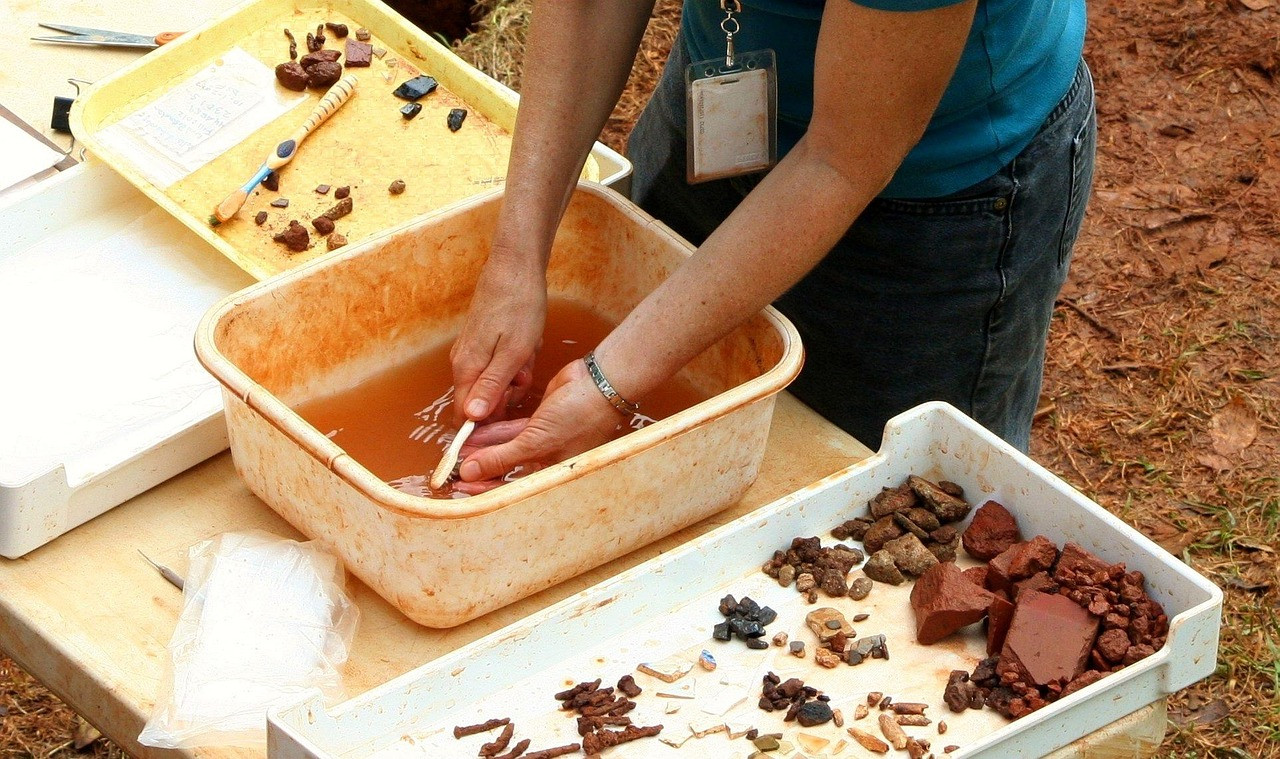
Representative image: JamesDeMers / Pixabay
Haryana CM Nayab Singh Saini opened the Rakhigarhi Mahotsav on October 19, 2026, announcing a Harappan corridor plan and a UNESCO bid.
What Happened
Haryana Chief Minister Nayab Singh Saini on Monday, October 19, 2026, opened the third Rakhigarhi Mahotsav, a seven-day festival at the Harappan archaeological site of Rakhigarhi in Haryana, and said the state plans a Saraswati-Sindhu Civilisation Corridor to link important archaeological sites. The festival runs until October 25 under the theme "Mati Se Mahotsav Tak" (From the Soil to the Festival). It includes an international conference where Indian and foreign researchers are to discuss new findings and future research on the site. The state government also said it is pursuing UNESCO World Heritage status for Rakhigarhi and announced an estimated Rs 188 crore next phase for the site museum and interpretation centre.
Key Facts
- Event: third edition of the Rakhigarhi Mahotsav, October 19 to 25, 2026, opened by Chief Minister Nayab Singh Saini.
- Theme: "Mati Se Mahotsav Tak".
- Corridor plan: a proposed Saraswati-Sindhu Civilisation Corridor connecting archaeological sites, to improve tourism links.
- Museum: officials said the structure of the site museum is complete; a next phase for the museum and interpretation centre is estimated at Rs 188 crore, with the aim of opening it before the next edition.
- UNESCO: the state is seeking World Heritage recognition for Rakhigarhi.
- Village support: the Chief Minister announced Rs 51 lakh for the Rakhigarhi village panchayat and said its demands would be addressed.
- Programme: an international scholars' conference, plus sports, quizzes, painting contests and cultural shows for local people.
Why It Matters
Rakhigarhi is one of the key sites for studying the Harappan, or Indus Valley, civilisation, one of the world's earliest urban cultures. Excavations there feed research on how early towns in the region were laid out, how people made crafts and how they lived. The Chief Minister described the site as a legacy of craftsmanship and an advanced civilisation. For a sub-page on India's knowledge traditions, it is a reminder that some of the oldest evidence of organised knowledge in South Asia, such as planned settlements and skilled crafts, comes from the soil rather than from texts.
The festival's academic side matters most for that story. An international conference at the site gives researchers a chance to present recent finds and set priorities for future work. Archaeology moves slowly: a new interpretation needs data from careful excavation, dating and laboratory study, and public festivals rarely change the science. But a permanent museum and interpretation centre at the site could change how the research reaches the public, letting visitors see objects and explanations where they were found rather than only in distant galleries.
The proposed corridor and the UNESCO bid are about heritage management and tourism. Linking sites into a corridor could bring visitors, roads and income to villages that sit on or near the mounds. It also raises familiar questions for archaeologists: how to protect fragile, partly unexcavated remains from construction and footfall. The Chief Minister's announcement did not give a timeline or a budget for the corridor itself.
The name chosen for the corridor, Saraswati-Sindhu, reflects a view that links the Harappan sites of the region to the Saraswati river of Vedic texts. That link is debated among scholars, and the festival's conference is one of the places where such questions are discussed. Readers should treat the name as the state's chosen title, not as a settled scientific finding.
| Item | Detail |
|---|---|
| Festival dates | October 19 to 25, 2026 |
| Edition | Third |
| Museum next phase | About Rs 188 crore (estimate) |
| Village panchayat grant | Rs 51 lakh |
| Status sought | UNESCO World Heritage |
Impact
Short-term: The festival brings researchers, students and visitors to Rakhigarhi this week, and puts the site in the news alongside the state's plans.
Long-term: A finished museum, a corridor and a possible UNESCO listing could make Rakhigarhi a major destination for heritage learning. They will also demand strong conservation rules to protect the mounds.
Who is affected: Archaeologists and students of ancient history, the people of Rakhigarhi village, Haryana's tourism sector, and visitors interested in India's early civilisations.
Key Takeaway
At the Rakhigarhi Mahotsav opened on October 19, Haryana set out plans for a Harappan corridor, a Rs 188 crore museum phase and a UNESCO bid, with an international conference on the site's research.
Questions and Answers
What is the Rakhigarhi Mahotsav 2026?
It is a seven-day festival at the Harappan site of Rakhigarhi in Haryana, held from October 19 to 25, 2026. This third edition, themed "Mati Se Mahotsav Tak", includes an international scholars' conference and cultural events.
What is the Saraswati-Sindhu Civilisation Corridor?
It is a corridor proposed by the Haryana government to link important archaeological sites and improve tourism connections. No timeline or budget for it was given at the launch.
Is Rakhigarhi a UNESCO World Heritage Site?
Not yet. The Haryana government says it is pursuing World Heritage recognition for the site.
When will the Rakhigarhi museum open?
Officials said the museum structure is complete and hope to open it before the next edition of the festival; the next phase of the museum and interpretation centre is estimated at Rs 188 crore.
Disclaimer: Prepared by the Peepals newsroom from publicly available sources with AI assistance. Information is accurate to the best of our knowledge at the time of publication and may change. Images may be representative. Not professional advice. Report an error via our contact page.
Sourced and fact-checked by the Peepals Global Editorial Team
Dasara festival 2026: Mysuru's 3,473-drone peacock sets Guinness record
Ludhiana seizes 650 kg of suspected fake paneer before Diwali
Reported, fact-checked and published by the Peepals Global Editorial Team.