
Ludhiana seizes 650 kg of suspected fake paneer before Diwali
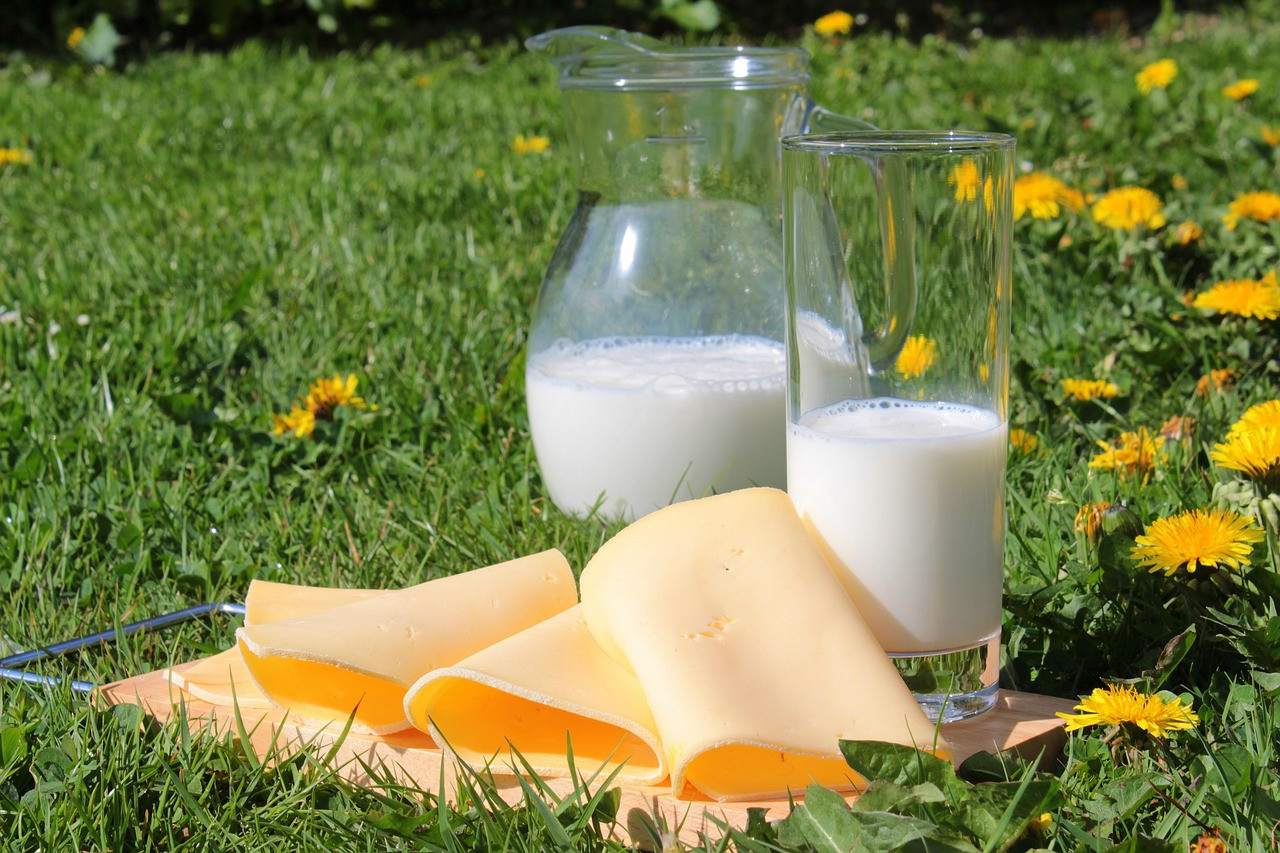
Representative image: Myriams-Fotos / Pixabay
Ludhiana's food safety team seized about 650 kg of suspected spurious paneer on October 17, 2026, ahead of Diwali; lab results are awaited.
What Happened
Food safety officials in Ludhiana, Punjab, seized about 650 kg of suspected spurious paneer in two operations on Saturday, October 17, 2026, as checks on milk products picked up ahead of Diwali. The health department's food safety team first stopped a vendor at the city's Subzi Mandi with about 150 kg of paneer, and later intercepted a further consignment of about 500 kg. The vendor told officials he bought the paneer from Haryana. The District Health Officer said samples had been taken and the stock would be destroyed after sampling. Laboratory results were awaited. The seizure came a day before the Food Safety and Standards Authority of India (FSSAI) told food businesses to keep khoa, paneer, meat and fish at prescribed temperatures from source to sale.
Key Facts
- Place and date: Ludhiana, Punjab, Saturday, October 17, 2026.
- Quantity: about 650 kg of suspected spurious paneer, in two seizures of about 150 kg and about 500 kg.
- The first lot was found with a vendor at the Subzi Mandi; the second was a separate consignment intercepted later.
- The vendor said the paneer was bought from Haryana.
- Samples were taken for testing, and the District Health Officer said the stock would be destroyed.
- On October 18, 2026, FSSAI issued an advisory asking manufacturers, transporters and sellers to maintain the cold chain for khoa, paneer, meat and fish and to keep records showing where each consignment came from.
Why It Matters
Paneer and khoa sit at the centre of festive cooking in north India, and demand for both rises sharply in the weeks around Dussehra and Diwali as families, sweet shops and caterers buy in bulk. Food safety departments in many states run special drives in this period because the jump in demand creates room for spurious or poorly stored products to enter the market.
The Ludhiana case shows how this plays out on the ground. Large quantities of paneer move between states by road, and when a seller cannot show where stock was made or how it was kept, officials have little to go on except sampling and seizure. That is the gap the FSSAI advisory tries to close. It reminds businesses that existing licensing rules already require milk products to be kept at prescribed temperatures during transport, storage and sale, and it asks them to keep invoices and other records so that each consignment can be traced to its source.
It is important to read the case carefully. Officials described the paneer as suspected spurious; the laboratory report had not been published when the seizure was reported. A seizure is a precaution, not a final finding. Only after testing can regulators say whether the product broke food safety standards and what action will follow against those responsible.
For households, the season's practical lesson from regulators is about sourcing. Buying paneer and khoa from licensed sellers who can say where their stock comes from, and who keep it chilled, reduces the risk. Consumers who suspect a product can report it to their state food safety department, and sellers can expect more checks in markets and on incoming consignments until the festival is over.
| Item | Detail |
|---|---|
| Place | Ludhiana, Punjab |
| Date | October 17, 2026 |
| Product | Suspected spurious paneer |
| Quantity | About 650 kg (about 150 kg and about 500 kg) |
| Status | Samples taken; stock to be destroyed; lab results awaited |
Impact
Short-term: More checks on dairy consignments, sweet shops and markets are likely in Ludhiana and other cities in the days before Diwali. Traders bringing paneer from other states may face sampling and delays.
Long-term: Repeated seizures put pressure on regulators to improve tracing of milk products across state borders and to publish test results quickly, so that the public knows which suspected products were actually unsafe.
Who is affected: Households buying paneer for the festival, sweet shops and caterers, dairy traders who move stock between states, and the food safety departments of Punjab and neighbouring states.
Key Takeaway
Ludhiana's food safety team seized about 650 kg of suspected spurious paneer on October 17, a day before FSSAI told sellers to keep dairy chilled and traceable from source to sale.
Questions and Answers
How much fake paneer was seized in Ludhiana?
About 650 kg of suspected spurious paneer was seized in two operations on October 17, 2026: about 150 kg from a vendor at the Subzi Mandi and about 500 kg from a later consignment.
Has the Ludhiana paneer been proven to be adulterated?
Not yet. Officials described it as suspected spurious. Samples were taken, and laboratory results were awaited when the seizure was reported.
Where did the seized paneer come from?
The vendor told officials he bought it from Haryana. Officials have not published further details of the source.
What has FSSAI asked dairy sellers to do this festive season?
In an advisory on October 18, 2026, FSSAI told businesses to keep khoa, paneer, meat and fish at prescribed temperatures from sourcing to sale, and to keep records showing where each consignment came from.
Disclaimer: Prepared by the Peepals newsroom from publicly available sources with AI assistance. Information is accurate to the best of our knowledge at the time of publication and may change. Images may be representative. Not professional advice. Report an error via our contact page.
Sourced and fact-checked by the Peepals Global Editorial Team
Reported, fact-checked and published by the Peepals Global Editorial Team.