Going vegan from lacto-vegetarian altered liver metabolism in days, mouse study finds
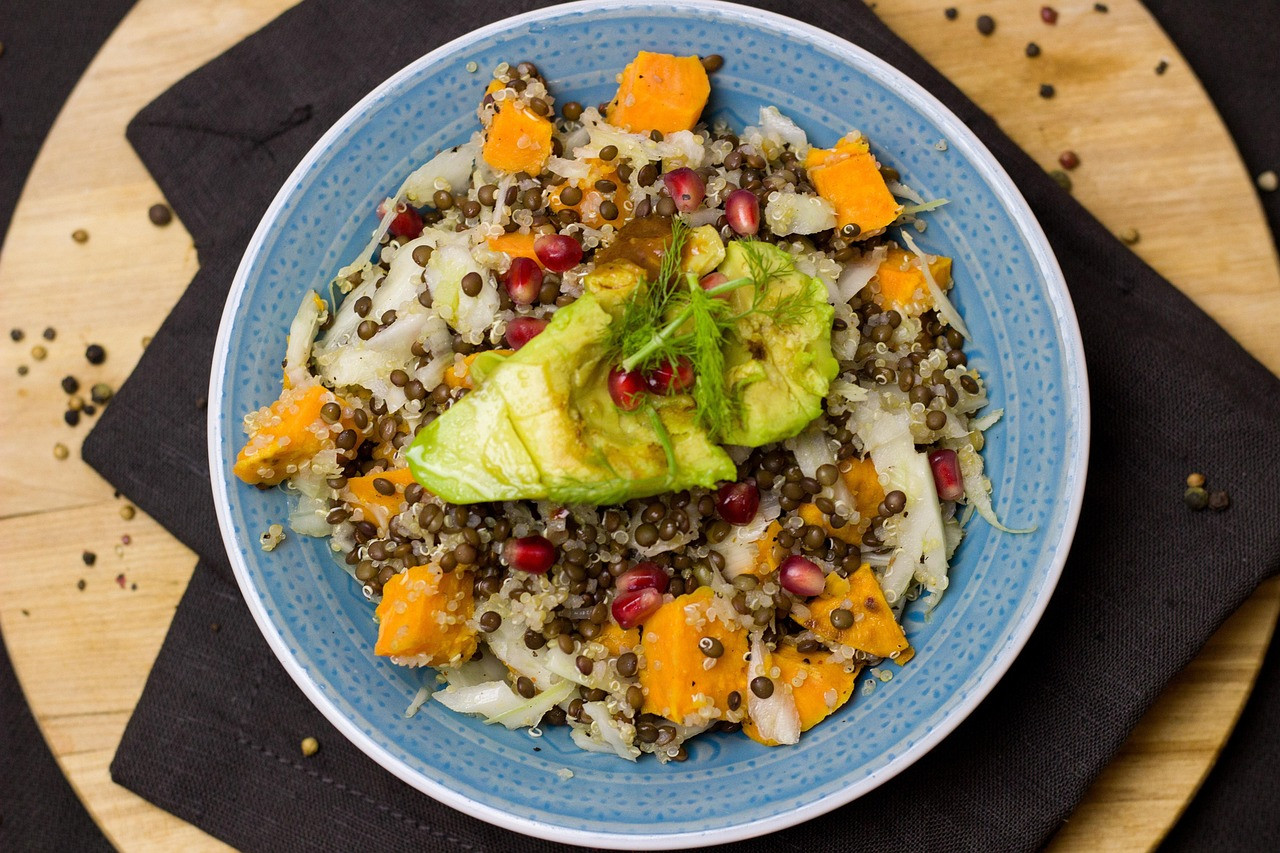
Representative image: Einladung_zum_Essen / Pixabay
A University of Geneva mouse study, reported October 13, 2026, found a switch from lacto-vegetarian to vegan food changed liver glucose and ammonia handling within days.
What Happened
Moving from a lacto-vegetarian diet, which includes milk and dairy, to a strictly vegan one changed how the liver works within a few days in a study on mice, researchers at the University of Geneva (UNIGE) in Switzerland reported this week. The findings, published in the journal Molecular Metabolism and reported on Tuesday, October 13, 2026, show that mice switched to a diet with no animal protein produced glucose less efficiently and cleared ammonia, a toxic by-product of breaking down protein, less well. The researchers said the change was rapid but also reversible once animal protein was put back into the diet. The work was done in animals and has not been tested in people.
Key Facts
- Who: a research team at the University of Geneva, Switzerland; the paper is by Zhou and colleagues.
- Where published: the journal Molecular Metabolism.
- Design: mice fed a lacto-vegetarian diet were compared with mice fed a strictly vegan diet.
- Speed: within about two days, the vegan-fed mice showed less efficient glucose production in the liver.
- Ammonia: the livers of vegan-fed mice were less effective at removing ammonia.
- Activity: the vegan-fed mice were less willing to take part in physical exercise.
- Key enzyme: in mice lacking the liver enzyme glutamate dehydrogenase (GDH), the vegan diet led to a severe build-up of ammonia and poor blood sugar control.
- Reversibility: the researchers said the effects faded once animal protein returned to the diet.
Why It Matters
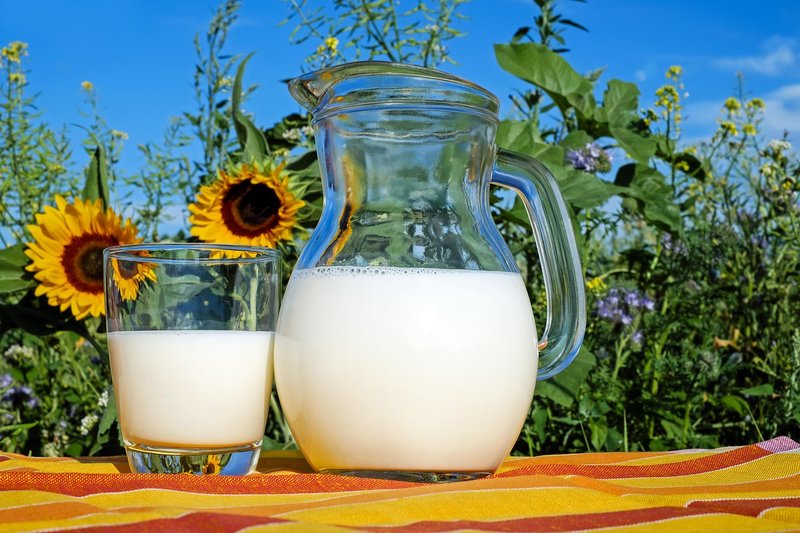
In the Indian vegetarian tradition, a meatless diet has usually meant a lacto-vegetarian one: grains, pulses, vegetables and fruit, together with milk, curd, paneer and ghee. A vegan diet goes a step further and drops dairy as well. This study looks at exactly that step, from a dairy-inclusive vegetarian diet to a fully plant-based one, and asks what it does to the liver.
The liver has to manage two linked jobs. Between meals and during fasting, it makes glucose to keep blood sugar steady. When the body breaks down protein, it also has to deal with the nitrogen left over, which first appears as ammonia and is then turned into urea for removal. The Geneva team found that the enzyme glutamate dehydrogenase sits at the centre of both jobs. When they removed it from the liver, the vegan diet caused a severe rise in ammonia and disrupted blood sugar control.
The researchers' explanation turns on the building blocks of protein. Plant proteins contain fewer branched-chain amino acids than animal proteins, and these amino acids help the liver keep blood glucose up during fasting. Remove animal protein entirely, and the liver has to adjust how it handles the amino acids it does receive. In the mice, that adjustment happened within days.
The findings do not show that vegan diets are harmful for people. They come from mice, which differ from humans in metabolism and diet, and the researchers stressed that the effect was reversible. What the work does suggest is that the type of protein in a diet, and not only the amount, shapes how the liver handles sugar and nitrogen, and that the difference between a vegetarian diet with dairy and a vegan one may matter more than is often assumed.
| Diet in the study | What changed in the liver |
|---|---|
| Lacto-vegetarian (with milk products) | Baseline for comparison |
| Strictly vegan | Less efficient glucose production and weaker ammonia clearance within days |
| Vegan, in mice lacking liver GDH | Severe ammonia build-up and impaired blood sugar control |
Impact
Short-term: The study adds a new question to the debate on plant-based eating, but it does not change dietary advice. People who follow or are considering a vegan diet should continue to plan meals for enough protein from a variety of sources, and anyone with liver disease or diabetes should seek medical advice before making a major change.
Long-term: If similar effects are confirmed in people, researchers may look more closely at protein quality, such as branched-chain amino acid content, when advising those moving from vegetarian to vegan diets, particularly people with liver conditions.
Who is affected: Vegetarians and vegans, people thinking of giving up dairy, dietitians and doctors who advise on plant-based diets, and researchers studying liver metabolism.
Key Takeaway
In mice, swapping a dairy-inclusive vegetarian diet for a vegan one changed liver sugar and ammonia handling within days, a reversible effect that has yet to be studied in people.
Questions and Answers
Does a vegan diet affect the liver?
In a University of Geneva study on mice, published in Molecular Metabolism, switching from a lacto-vegetarian to a vegan diet made the liver less efficient at producing glucose and removing ammonia within about two days. The effect reversed when animal protein was reintroduced. It has not been shown in humans.
Why would dropping dairy make a difference?
The researchers point to amino acids. Plant proteins contain fewer branched-chain amino acids than animal proteins, and these help the liver maintain blood sugar during fasting, so removing all animal protein forces the liver to adapt.
What is glutamate dehydrogenase?
It is a liver enzyme that helps break down excess amino acids and pass their nitrogen towards urea, preventing ammonia from building up. In mice without it, the vegan diet caused a severe rise in ammonia and poor blood sugar control.
Should vegetarians avoid going vegan because of this study?
No. The study was in mice and the effects were reversible. It does not show that vegan diets are unsafe for people. Anyone changing diet, especially with liver disease or diabetes, should plan protein intake carefully and talk to a doctor or dietitian.
Disclaimer: Prepared by the Peepals newsroom from publicly available sources with AI assistance. Information is accurate to the best of our knowledge at the time of publication and may change. Images may be representative. Not professional advice. Report an error via our contact page.
Sourced and fact-checked by the Peepals Global Editorial Team
Cauvery Theerthodbhava 2026 at Talacauvery set for 7.50 pm on October 17
NIA Panchkula gets nod for 14 Ayurveda PG courses with 70 seats from 2026-27
Reported, fact-checked and published by the Peepals Global Editorial Team.