
Kashi gathering to let young Indians question saints on tradition, Nov 3-5
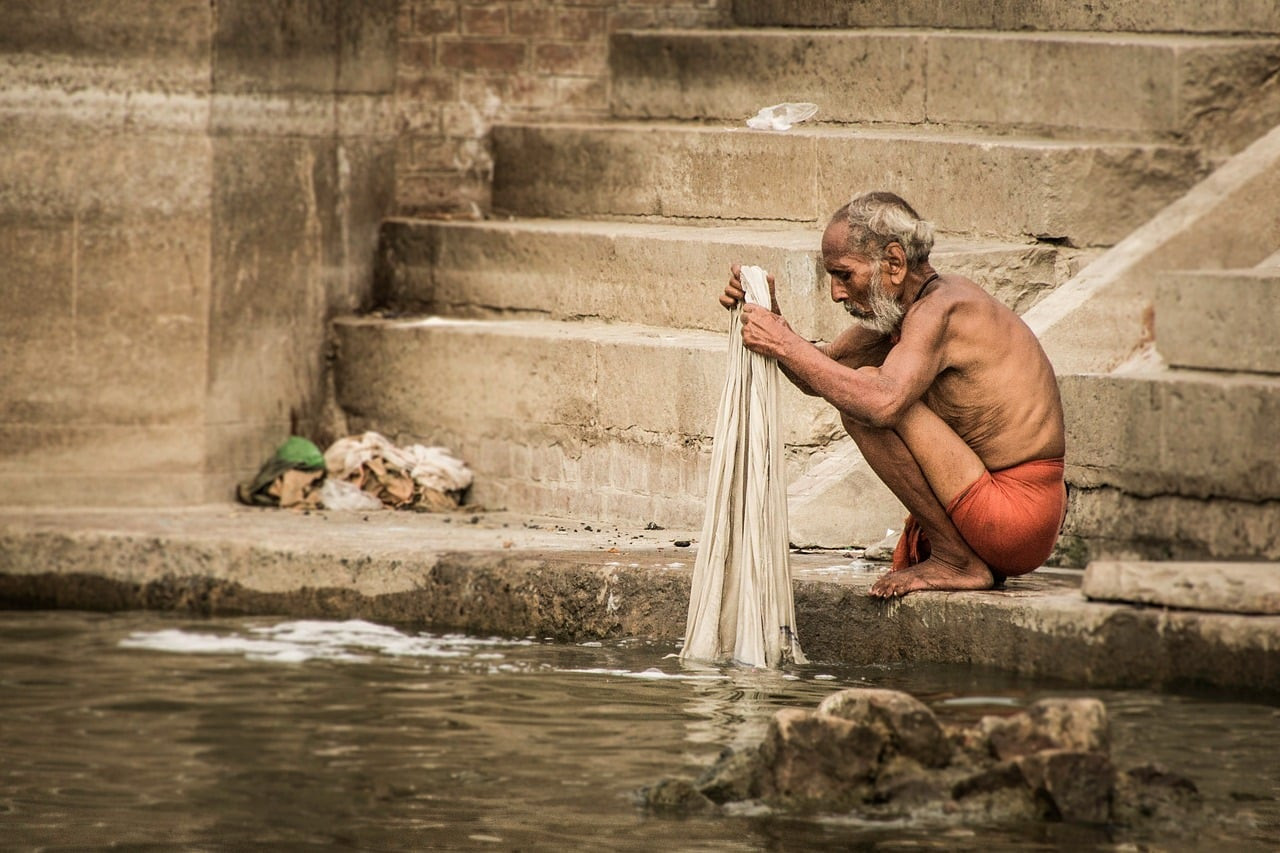
Representative image: Rianne_SchillerMclean / Pixabay
A three-day Sanskriti Sansad in Varanasi from 3 November 2026 will give young speakers most of the floor in a parallel Gen Z conclave on India's knowledge heritage.
What Happened
Young Indians will get an unusual platform in Varanasi next month. Organisers said on Sunday, 11 October 2026, that the city will host the Sanskriti Sansad from Tuesday, 3 November to Thursday, 5 November 2026, and that a separate conclave for Generation Z will run alongside the main assembly. In that youth track, roughly nine in every ten speakers are meant to be young people, with experts making up the rest. The Ganga Mahasabha is organising the meeting, with three religious and scholarly bodies, the All India Sant Samiti, the All India Akhara Parishad and the Shri Kashi Vidvat Parishad, acting as guides. Close to 3,000 saints are expected at the main venue, the Rudraksh convention centre.
Key Facts
- When: 3 to 5 November 2026.
- Where: Varanasi, with the main sessions at the Rudraksh International Cooperation and Convention Centre.
- Who organises: the Ganga Mahasabha, guided by the All India Sant Samiti, the All India Akhara Parishad and the Shri Kashi Vidvat Parishad.
- Expected turnout: about 3,000 saints from different parts of India.
- Youth track: young participants will speak, present data, sit on panels and take questions; organisers expect about 90% of the speakers to be young.
- Subject: how India's inherited knowledge and values connect with the lives of a new generation.
- Side events: an arts festival, painting and photography shows, and a rangoli contest.
Why It Matters
India's classical learning, from philosophy and logic to grammar, medicine and the arts, is usually discussed by specialists talking to one another. Students tend to meet it in fragments: a chapter in a school textbook, a ritual at home, a clip on a phone. A conclave where young people hold the microphone and older scholars mostly listen turns that around. It asks what the tradition means to people who will carry it forward, rather than only what elders think they should know.
The choice of formats is telling. Presentations built on data, and open question rounds, sit closer to a university seminar than to the sermon-style programmes common at large religious gatherings. That could make the event useful for anyone curious about how Indian knowledge systems can be taught and tested today. Its real value will depend on how much room young speakers are given to ask hard questions, and whether the answers rest on texts and evidence rather than on authority alone.
Kashi is a natural host. For centuries it has been a seat of Sanskrit scholarship and of shastrartha, the tradition of formal, reasoned debate between learned people. The Kashi Vidvat Parishad, one of the guiding bodies, is a council of scholars rooted in that culture. Putting a youth forum inside that setting links an old habit of argument with present-day questions about identity, values and change.
Readers who follow Indian knowledge systems may want to watch for what comes out of the meeting: proposals on teaching, research or the care of old texts would matter more than speeches.
Impact
Short-term: Students and young professionals hoping to speak or compete should look out for registration details from the organisers before 3 November.
Long-term: If the youth-first format works, other cultural and religious bodies may copy it to reach younger audiences.
Who is affected: Students, young researchers, Sanskrit and philosophy scholars, religious and cultural bodies, artists, and visitors to Varanasi in early November.
Key Takeaway
Varanasi's November gathering is an experiment in letting young Indians, not only elders, lead the conversation on the country's knowledge heritage.
Questions and Answers
What is the Sanskriti Sansad 2026?
A three-day gathering in Varanasi from 3 to 5 November 2026 on India's culture, inherited knowledge and values, organised by the Ganga Mahasabha.
What is different about this year's event?
A parallel conclave for Generation Z, in which about nine out of ten speakers are expected to be young people presenting their own views, data and questions.
Where will it take place?
The main sessions are at the Rudraksh International Cooperation and Convention Centre in Varanasi.
Who is expected to attend?
About 3,000 saints, along with young participants, scholars and artists taking part in the conclave, exhibitions and competitions.
Disclaimer: Prepared by the Peepals newsroom from publicly available sources with AI assistance. Information is accurate to the best of our knowledge at the time of publication and may change. Images may be representative. Not professional advice. Report an error via our contact page.
Sourced and fact-checked by the Peepals Global Editorial Team
Reported, fact-checked and published by the Peepals Global Editorial Team.