
Achyutadevaraya inscriptions at Tirumala record 16th-century grants for food offerings
 By Devansh TiwariKnowledge Systems Writer, Peepals Sanskriti

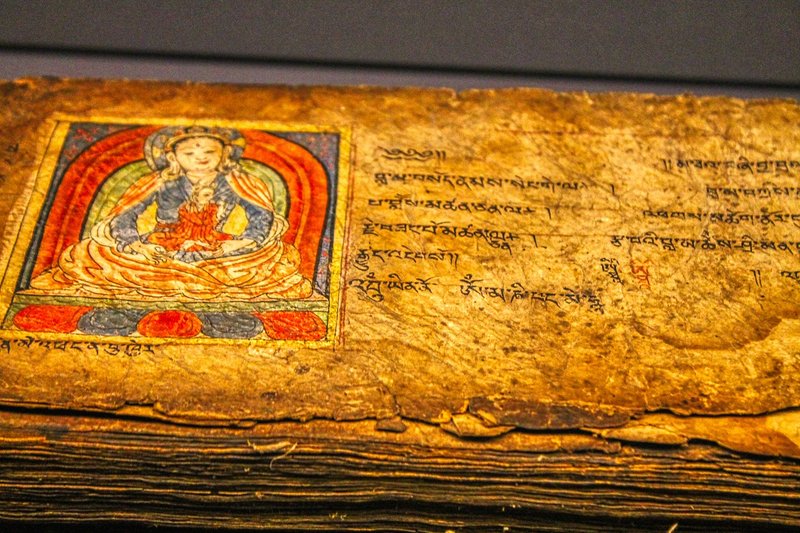
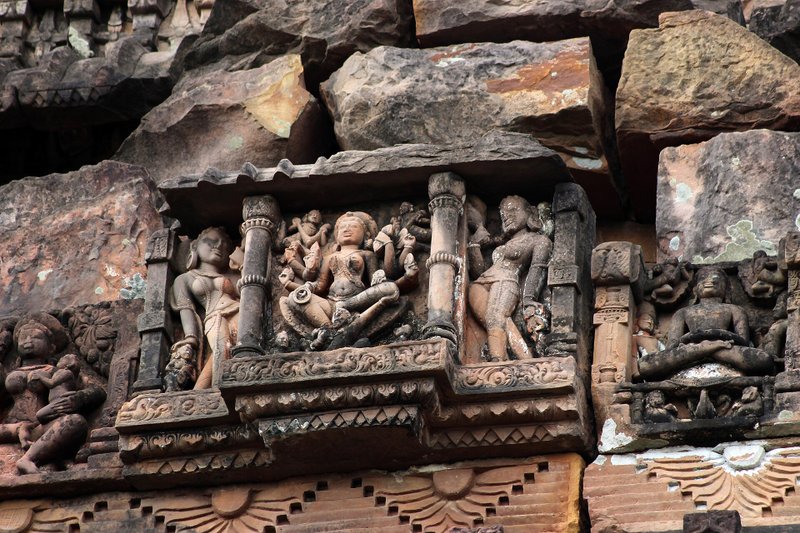
Representative image: balajisrinivasan / Pixabay
The ASI has recorded two 16th-century Tamil inscriptions of Vijayanagara ruler Achyutadevaraya at Tirumala's Venkateswara temple while digitising about 750 temple inscriptions.
What Happened
The Archaeological Survey of India (ASI) has documented two 16th-century inscriptions from the reign of the Vijayanagara ruler Achyutadevaraya on the walls of the Sri Venkateswara temple at Tirumala in Andhra Pradesh, according to reports in the first week of November 2026. Both are written in Tamil and are on the walls of the temple's third prakaram, the outer enclosure around the shrine. The records were copied as part of an ASI project to digitise about 750 inscriptions at the temple, which began in late October 2026. One inscription records a grant connected to a military commander who served at Chandragiri Fort; the other records a charitable deed in favour of a member of the temple's Srivaishnava community. Both provide for food offerings to the deity.
Key Facts
- Where: Sri Venkateswara temple, Tirumala, Andhra Pradesh; walls of the third prakaram (enclosure).
- Ruler named: Achyutadevaraya of the Vijayanagara empire.
- Language: Tamil.
- North wall inscription: records a grant to Dalavay Timmarasayyar, a military commander at Chandragiri Fort, including village revenue and a deposit of 15,000 narpanam (coins) in the temple treasury for food offerings on auspicious days, according to reports.
- South wall inscription: records a charitable deed for Perarulalayyan, one of the Ekangi Srivaishnavas living at Tirumala, with 675 panam deposited in the treasury for offerings during festivals including Brahmotsavam and Adhyayanotsavam, according to reports.
- Dating: a Telugu daily reported an Achyutadevaraya-era inscription on the third prakaram wall as dated 13 February 1531 CE, about 495 years old.
- Project: the ASI's digitisation of about 750 Tirumala inscriptions under its "Bharat SHRI" inscription repository effort, begun in late October 2026.
Why It Matters
Temple inscriptions are among the richest primary sources for India's medieval history. They were not written as literature but as legal and financial records: who gave what, to whom, for what purpose, and under which ruler. The two Tirumala records show how a 16th-century temple worked as an economic institution. Donors deposited money in the temple treasury, the bhandaram, and the interest or income from that deposit paid for food offerings on specified days. Villages' revenue was assigned to the temple for the same purpose. Read together, such records let historians reconstruct currency, land revenue, administration and religious practice.
The inscriptions also show the reach of the Vijayanagara state into the Tirumala hills. A grant involving a commander posted at Chandragiri Fort ties the temple to the empire's military and administrative network in the region. That the records are in Tamil, at a temple in present-day Andhra Pradesh, reflects the multilingual record-keeping of the period.
The larger significance lies in the digitisation project. Many temple inscriptions are weathered, partly covered or known only from old hand copies. Digitising about 750 Tirumala inscriptions will make them easier to study, protect them against further loss, and allow scholars to compare readings with earlier published volumes, such as the Tirumala Tirupati Devasthanams' epigraphical series on inscriptions from Achyutaraya's time. Fresh documentation sometimes turns up records that were missed or misread before, as these reports suggest.
Peepals calculation: An inscription dated 13 February 1531 CE is about 495 years old in 2026 (2026 − 1531 = 495). The north-wall grant's deposit of 15,000 narpanam is about 22 times the 675 panam in the south-wall deed (15,000 ÷ 675 ≈ 22.2), although the two units may not be of equal value, so the comparison shows only the scale of the recorded sums. Our calculation from the reported figures.
Peepals timeline: Achyutadevaraya's officials and devotees recorded endowments on the temple walls in the 16th century; the TTD published a volume of inscriptions from his reign in 1936; in late October 2026 the ASI began digitising about 750 inscriptions at the Tirumala temple; in early November 2026 reports described two Achyutadevaraya-era Tamil records on the third prakaram walls documented during the work.
Impact
Short-term: The new documentation adds to the record of Tirumala's history, and further finds may be reported as the digitisation continues.
Long-term: A digital archive of Tirumala's inscriptions would help historians, epigraphists and students study the temple's past and the Vijayanagara period, and would protect the records for the future.
Who is affected: historians and epigraphists; students of South Indian history and Tamil and Telugu epigraphy; the TTD, which manages the temple; and devotees interested in the temple's heritage.
Key Takeaway
The ASI's digitisation of about 750 Tirumala inscriptions has documented two 16th-century Achyutadevaraya records showing how endowments funded food offerings at the Venkateswara temple.
Questions and Answers
What inscriptions has the ASI found at Tirumala?
Two 16th-century Tamil inscriptions from the reign of the Vijayanagara ruler Achyutadevaraya, on the north and south walls of the Venkateswara temple's third prakaram, according to reports in early November 2026.
What do the Tirumala inscriptions record?
One records a grant to a military commander at Chandragiri Fort with a 15,000-narpanam deposit for food offerings; the other a charitable deed with 675 panam deposited for offerings during festivals such as Brahmotsavam.
How old are the Achyutadevaraya inscriptions at Tirumala?
A Telugu daily reported one inscription on the third prakaram wall as dated 13 February 1531 CE, about 495 years ago.
What is the ASI's Tirumala digitisation project?
The ASI began digitising about 750 inscriptions at the Tirumala temple in late October 2026 so they can be preserved and studied.
Disclaimer: Prepared by the Peepals newsroom from publicly available sources with AI assistance. Information is accurate to the best of our knowledge at the time of publication and may change. Images may be representative. Not professional advice. Report an error via our contact page.
By Devansh Tiwari, Knowledge Systems WriterCovers Knowledge Systems and more for Peepals Sanskriti. All stories by Devansh Tiwari
Tagore mural defaced at Khulna railway station; city corporation repaints it
Ayushman Arogya Mandirs to hold weekly yoga sessions, Health Secretary directs
Get the day's stories in your inbox
Peepals Weekly: the week decoded, free. One email a week, unsubscribe in one click.
Devansh Tiwari is a pen name of the Peepals Global Editorial Team, which researches, fact-checks and publishes every story. The portrait is an illustration.