
Laxmi Pujan muhurat 2026: why the puja is on November 8, not 9
 By Devansh TiwariKnowledge Systems Writer, Peepals Sanskriti

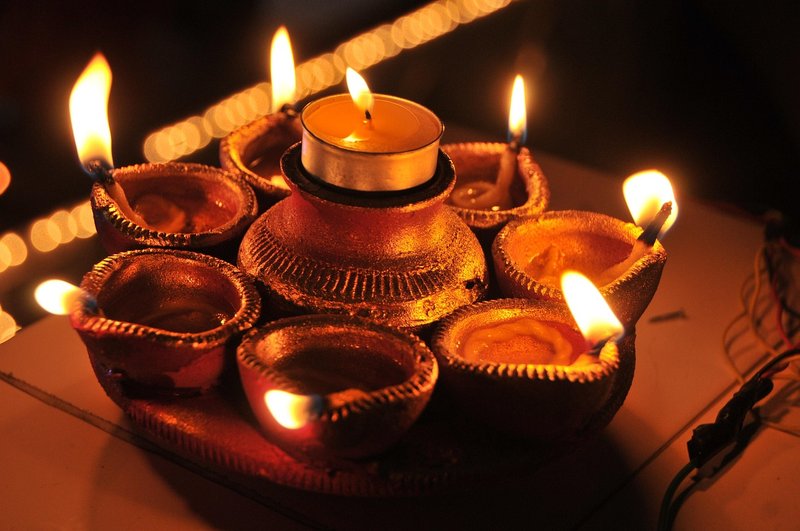
Representative image: Tanuj_handa / Pixabay
Laxmi Pujan 2026 falls on Sunday, 8 November: Amavasya runs 11:27 am on 8 Nov to 12:31 pm on 9 Nov, and only the 8th has it in Pradosh Kaal.
What Happened
Laxmi Pujan, the main worship of Diwali, falls on Sunday, 8 November 2026, even though the new-moon day (Amavasya) on which it is performed carries on until the middle of Monday, 9 November. According to the Drik Panchang almanac, the Amavasya tithi (lunar day) begins at 11:27 am on 8 November and ends at 12:31 pm on 9 November. Panchang makers place the puja on the 8th because only that evening has Amavasya running through Pradosh Kaal, the window after sunset in which, according to tradition, Lakshmi Puja should be done. The Laxmi Pujan muhurat for 2026 in New Delhi is 5:54 pm to 7:50 pm on 8 November, according to almanac listings.
Key Facts
- Amavasya tithi: from 11:27 am on Sunday, 8 November, to 12:31 pm on Monday, 9 November 2026, according to Drik Panchang.
- Laxmi Pujan muhurat, New Delhi: 5:54 pm to 7:50 pm on 8 November, with Pradosh Kaal from about 5:31 pm to 8:09 pm, according to almanac listings.
- Kolkata: muhurat 5:20 pm to 7:18 pm, with Pradosh Kaal from 4:56 pm to 7:29 pm; a late-night Mahanishita Kaal window is listed from 10:55 pm to 11:46 pm.
- Mumbai: muhurat 6:27 pm to 8:27 pm, with Pradosh Kaal from 6:02 pm to 8:34 pm.
- Timings differ by city because Pradosh Kaal is counted from local sunset; listings from different almanac sites also differ by a few minutes.
- Some calendars that follow the tithi present at sunrise (udaya tithi) show 9 November, but the evening rule is why most panchangs place Lakshmi Puja on 8 November.
Why It Matters
A Hindu festival date is not fixed by the solar calendar but by the tithi, a lunar day defined by the angle between the sun and the moon. A tithi can begin at any hour and does not line up with midnight-to-midnight days. That is why festivals sometimes appear to fall on two dates in different calendars, and why each festival has its own rule for which day counts.
For most festivals, panchang makers use the tithi that is present at sunrise. Diwali's Lakshmi Puja follows a different rule: what matters is whether Amavasya is present in Pradosh Kaal, the period of roughly two and a half hours that begins at sunset. In 2026, Amavasya begins in the late morning of 8 November, so it covers the whole evening of the 8th. By the evening of 9 November it has already ended, at 12:31 pm. Only the 8th satisfies the evening rule, which is why the puja falls on Sunday even though the Amavasya runs into Monday morning.
Within Pradosh Kaal, almanacs mark a shorter muhurat as the preferred time for the puja. The choice of these windows is a matter of tradition and calendar convention, not a measured effect, and the exact clock times depend on each city's sunset, which is why they are listed city by city.
Peepals calculation: The 2026 Amavasya lasts about 25 hours 4 minutes (11:27 am on 8 November to 12:31 pm on 9 November). The listed muhurat runs 1 hour 56 minutes in New Delhi (5:54 pm to 7:50 pm), 1 hour 58 minutes in Kolkata (5:20 pm to 7:18 pm) and 2 hours in Mumbai (6:27 pm to 8:27 pm). Kolkata's window opens 1 hour 7 minutes before Mumbai's, because the sun sets earlier in the east. Our calculation from the reported figures.
| | City | Laxmi Pujan muhurat, 8 Nov 2026 | Pradosh Kaal | |
|---|---|---|
| | New Delhi | 5:54 pm to 7:50 pm | about 5:31 pm to 8:09 pm | |
| | Kolkata | 5:20 pm to 7:18 pm | 4:56 pm to 7:29 pm | |
| | Mumbai | 6:27 pm to 8:27 pm | 6:02 pm to 8:34 pm | |
Impact
Short-term: Families, temples and businesses planning Diwali worship on Sunday evening can time their puja to their own city's window rather than a single national time.
Long-term: Explaining the Pradosh rule helps readers see why festival dates can differ between calendars, a question that comes up every year for Diwali and other tithi-based festivals.
Who is affected: Households celebrating Diwali, temple priests and committees, and businesses that hold Lakshmi Puja at their premises.
Key Takeaway
Laxmi Pujan 2026 is on Sunday, 8 November, because only that evening has Amavasya running through Pradosh Kaal; the New Delhi muhurat is 5:54 pm to 7:50 pm.
Questions and Answers
What is the Laxmi Pujan muhurat 2026?
Laxmi Pujan falls on Sunday, 8 November 2026. Almanac listings give the muhurat as 5:54 pm to 7:50 pm in New Delhi, 5:20 pm to 7:18 pm in Kolkata and 6:27 pm to 8:27 pm in Mumbai. Timings vary by city because they depend on local sunset.
Why is Lakshmi Puja on 8 November if Amavasya lasts until 9 November?
The rule for Lakshmi Puja is that Amavasya must be present during Pradosh Kaal, the window after sunset. In 2026, Amavasya runs from 11:27 am on 8 November to 12:31 pm on 9 November, so only the evening of the 8th qualifies.
What is Pradosh Kaal?
Pradosh Kaal is the period of roughly two and a half hours starting at sunset. According to tradition it is the right time for Lakshmi Puja on Diwali. In New Delhi on 8 November 2026 it runs from about 5:31 pm to 8:09 pm, according to almanac listings.
Why do different websites give slightly different timings?
Each almanac calculates sunset and the lagna for a specific place, and some use different conventions, so timings can differ by a few minutes between sources and by more than an hour between cities. Families usually follow their local panchang or temple priest.
Disclaimer: Prepared by the Peepals newsroom from publicly available sources with AI assistance. Information is accurate to the best of our knowledge at the time of publication and may change. Images may be representative. Not professional advice. Report an error via our contact page.
By Devansh Tiwari, Knowledge Systems WriterCovers Knowledge Systems and more for Peepals Sanskriti. All stories by Devansh Tiwari
Dhanwantari Jayanti 2026: Nepal marks 28th Wellness Day at Ayurveda centres
Noida food safety drive: 6,425 kg seized, khoya and sweets destroyed before Diwali
Get the day's stories in your inbox
Peepals Weekly: the week decoded, free. One email a week, unsubscribe in one click.
Devansh Tiwari is a pen name of the Peepals Global Editorial Team, which researches, fact-checks and publishes every story. The portrait is an illustration.