
Postpartum depression study finds no clear link to red meat, processed food
 By Vikram JoshiLife Balance Correspondent, Peepals Shakti
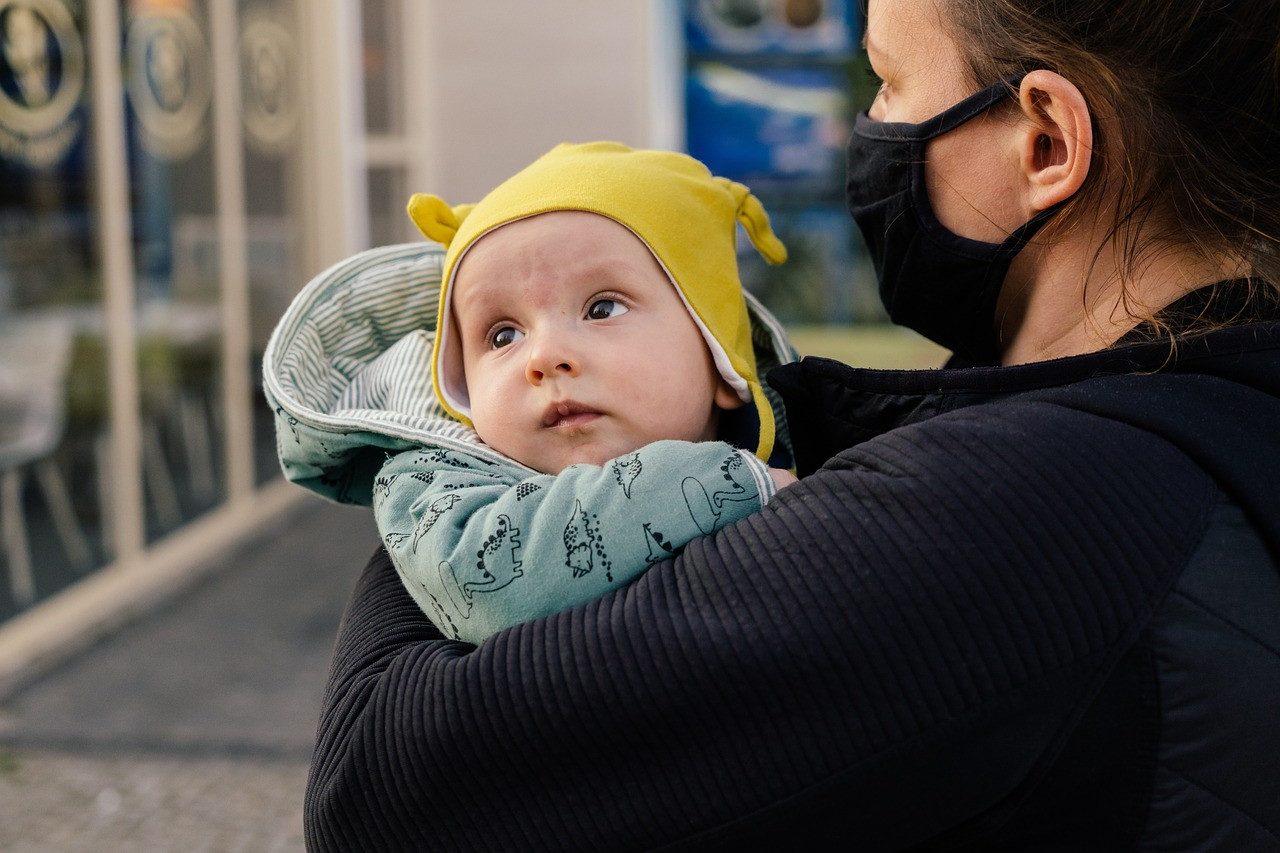
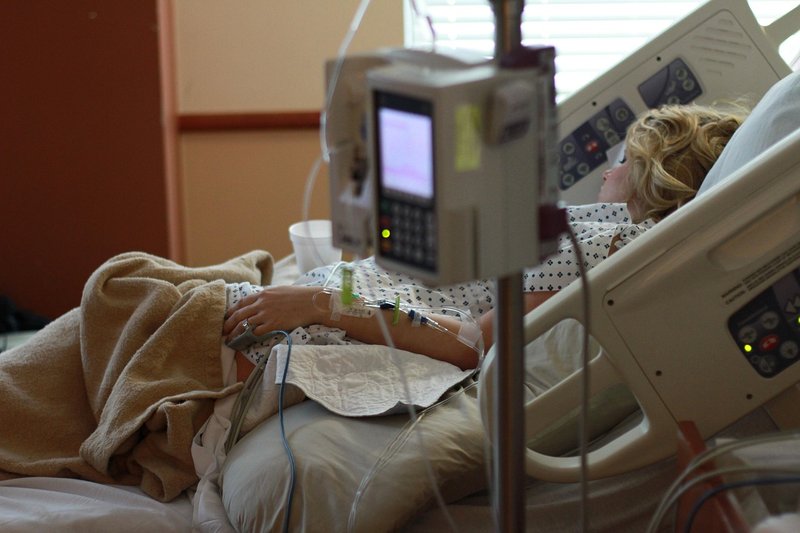
Representative image: marcinjozwiak / Pixabay
A Scientific Reports study of 264 Iranian women, reported on 8 November 2026, found no clear link between red meat or ultra-processed food in pregnancy and postpartum depression.
What Happened
A prospective cohort study published in the journal Scientific Reports, and reported on Sunday, 8 November 2026, found no clear link between how much red meat or ultra-processed food women ate during pregnancy and their risk of postpartum depression. The researchers followed 264 pregnant women in Iran and screened them for depression four to six weeks after childbirth. Fifty-two of them, or 19.7%, had probable postpartum depression, but the risk did not rise in a statistically meaningful way with either food. The authors said the finding needs to be repeated in other studies.
Key Facts
- Study: "Maternal consumption of red meat and ultra-processed foods during pregnancy and risk of postpartum depression: a prospective cohort study", published in Scientific Reports.
- Participants: 264 pregnant Iranian women, recruited by convenience sampling (women who were easy to reach, not a random sample) in 2022 and 2023.
- Screening: the Edinburgh Postpartum Depression Scale, a standard questionnaire for screening new mothers, used four to six weeks after birth.
- Result: 52 of the 264 women (19.7%) screened positive for probable postpartum depression.
- Main finding: no statistically meaningful association between red meat intake or ultra-processed food intake and probable postpartum depression.
- Method: intake was divided into three equal groups (tertiles), from lowest to highest; women in the highest red meat group had higher socioeconomic status and education.
- The authors called for the result to be replicated.
Why It Matters
Postpartum depression is depression that begins in the weeks or months after a baby is born. It is different from the short-lived "baby blues" and can affect a mother's health, her bond with the baby and the family's wellbeing. Because diet is something families can change, researchers have looked for links between what women eat in pregnancy and their mood after birth. Ultra-processed foods, factory-made products such as packaged snacks, sugary drinks and instant foods, have been linked with depression in some studies of the general population, so the question for pregnancy is a natural one.
This study does not support a simple story that eating more red meat or packaged food in pregnancy leads to postpartum depression. That matters for how advice is given: pregnant women already face long lists of foods to avoid, and adding guilt about a link that the evidence does not show helps no one.
The study's limits are important and the authors acknowledged them. It was small, with 264 women from one country, and recruited by convenience sampling, so the women may not represent all mothers. A null result, meaning no clear link was found, is not proof that there is no effect: a small study can miss a modest one. Women who ate the most red meat were also better off and better educated, and such differences can hide or blur an effect. Earlier research is mixed. A 2023 cross-sectional study of 1,028 postpartum women in Yazd, Iran, found that a "western" eating pattern rich in red and processed meat was linked to more depressive symptoms, while a small pilot study in Greece found no significant link between ultra-processed food and early postpartum symptoms. Cross-sectional studies measure diet and mood at the same time, so they cannot show which came first; a prospective cohort, like the new study, records diet first and mood later.
Peepals calculation: 52 women out of 264 is 19.7% (52 ÷ 264 ≈ 0.197), or about one in five; the other 212 women (80.3%) did not screen positive. With intake split into three equal groups, each group held about 88 women (264 ÷ 3 = 88), which helps explain why modest differences between groups are hard to detect. The 2023 Yazd study was about 3.9 times larger (1,028 ÷ 264 ≈ 3.9). Our calculation from the reported figures.
| Study | Design | Women | Finding |
|---|---|---|---|
| Scientific Reports, 2026 | Prospective cohort, Iran | 264 | No clear link with red meat or ultra-processed food |
| Yazd study, 2023 | Cross-sectional, Iran | 1,028 | "Western" pattern linked to more symptoms |
| Greek pilot study | Cross-sectional, Greece | Not stated here | No significant link with ultra-processed food |
Impact
Short-term: The result gives no reason for new food rules for pregnant women based on postpartum mood. It does not change general guidance on a balanced diet in pregnancy, which rests on other health reasons.
Long-term: Larger, more representative studies, including in South Asia where diets differ, are needed to settle whether diet in pregnancy plays any part in postpartum depression.
Who is affected: Pregnant women and new mothers; their families; doctors, midwives and ASHA and anganwadi workers who counsel mothers; and researchers in maternal mental health.
Key Takeaway
A Scientific Reports cohort of 264 Iranian mothers found that about one in five screened positive for postpartum depression, but how much red meat or ultra-processed food they ate in pregnancy showed no clear link with that risk.
Questions and Answers
Does eating red meat or ultra-processed food in pregnancy cause postpartum depression?
This study found no statistically meaningful link. Among 264 Iranian women, neither red meat nor ultra-processed food intake in pregnancy was clearly associated with probable postpartum depression four to six weeks after birth. The authors say the result needs to be repeated in other groups.
How common was postpartum depression in the study?
Fifty-two of the 264 women, or 19.7%, screened positive for probable postpartum depression on the Edinburgh Postpartum Depression Scale four to six weeks after giving birth.
Why should the result be read with caution?
The study was small, drew women from one country through convenience sampling, and women who ate more red meat were also wealthier and better educated. A study of this size can miss a small effect, and earlier research has been mixed.
Where can a new mother in India get help for low mood after birth?
She can speak to her doctor, midwife or local health worker. If you or someone you know needs help, call Tele-MANAS on 14416.
Disclaimer: Prepared by the Peepals newsroom from publicly available sources with AI assistance. Information is accurate to the best of our knowledge at the time of publication and may change. Images may be representative. Not professional advice. Report an error via our contact page.
By Vikram Joshi, Life Balance CorrespondentCovers Life Balance and more for Peepals Shakti. All stories by Vikram Joshi
Working carers study: half skip family-friendly measures over stigma fears
China marriages fall 9.8% in 2026 to an 18-year low
Get the day's stories in your inbox
Peepals Weekly: the week decoded, free. One email a week, unsubscribe in one click.
Vikram Joshi is a pen name of the Peepals Global Editorial Team, which researches, fact-checks and publishes every story. The portrait is an illustration.