
Pregnant Workers Fairness Act struck down for Texas over proxy votes, 9-8
 By Vikram JoshiLife Balance Correspondent, Peepals Shakti

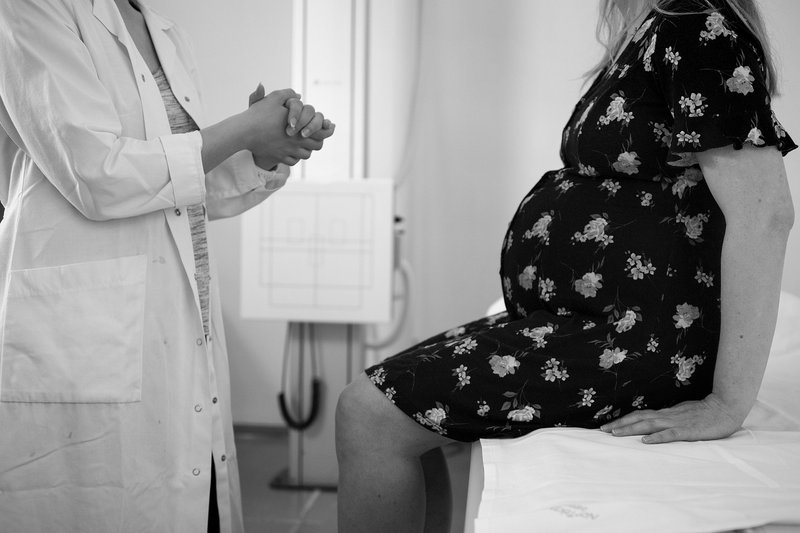
Representative image: danoman1 / Pixabay
A US appeals court ruled 9-8 on 20 November 2026 that the House passed the Pregnant Workers Fairness Act unconstitutionally, blocking enforcement against Texas.
Pregnant Workers Fairness Act: what happened
Pregnant Workers Fairness Act: a full bench of the US Court of Appeals for the Fifth Circuit ruled 9-8 on Friday, 20 November 2026 that the House of Representatives broke the Constitution when it passed the law, because it counted members voting by proxy towards its quorum. The court upheld an order that stops federal agencies from enforcing the law's pregnancy-accommodation rules against the state of Texas, which had brought the challenge.
Pregnant Workers Fairness Act: key facts
- The Pregnant Workers Fairness Act requires employers to make reasonable workplace adjustments for workers with limitations linked to pregnancy, childbirth or related conditions.
- It was passed in December 2022 as part of a roughly $1.7 trillion spending package, the Consolidated Appropriations Act of 2023, at a time when the House allowed proxy voting under pandemic rules.
- The 17-judge court held 9-8 that a majority of House members were not physically present, and that counting proxies to make up the quorum violated the Constitution's quorum clause.
- The order upheld by the court bars the Equal Employment Opportunity Commission (EEOC), the federal workplace-discrimination agency, and the Justice Department from enforcing the law against Texas.
- Texas Attorney General Ken Paxton filed the suit in 2023; the Justice Department has continued to defend the law.
- A Better Balance, the advocacy group that campaigned for the law, said it expects the case to go to the US Supreme Court and described the ruling as invalidating the law for about 20 million women in Texas, Louisiana and Mississippi.
Pregnant Workers Fairness Act: why it matters
The case is about how Congress voted, not about whether pregnant workers deserve support. The judges in the majority did not rule on the substance of the accommodations the law requires. They ruled that the House did not have enough members physically present when it passed the spending package that carried the law. That reasoning matters well beyond pregnancy, because other provisions passed during the period of proxy voting could face similar challenges.
How far the ruling reaches is disputed. The order the court upheld applies to enforcement against the state of Texas. Legal analysts reading the judgment say it does not cancel the whole spending law across the country, and that for private employers in the region it gives a defence argument in court rather than a free pass. The advocacy group A Better Balance takes a wider view, saying the law has in effect been knocked out in the three states the Fifth Circuit covers. Until the Supreme Court decides whether to take the case, employers and workers in that region face uncertainty.
For readers following women's working lives, the ruling shows how workplace protections for pregnancy that rest on a single federal law can be weakened by a challenge to how that law was passed, even when its aims are not in dispute.
Peepals timeline: Congress passed the law in December 2022 inside the year-end spending package. Texas sued in 2023. In 2024 a federal judge agreed with Texas and blocked enforcement of the law for Texas state employees. In 2025 a three-judge panel of the Fifth Circuit disagreed and overturned that order, but the full court then agreed to rehear the case. On 20 November 2026 the full court, by nine votes to eight, sided with Texas.
Pregnant Workers Fairness Act: impact
Short-term: federal agencies cannot enforce the law's accommodation rules against Texas, and employers in Texas, Louisiana and Mississippi may cite the ruling if pregnant workers bring claims. Workers there face uncertainty about which protections they can rely on.
Long-term: if the Supreme Court takes the case, its answer on proxy voting could decide the fate not only of this law but of other measures passed while the House allowed proxies. If it declines, the Fifth Circuit's judgment stands in that region.
Who is affected: pregnant and recently pregnant employees in the three states the Fifth Circuit covers, their employers, and, more widely, anyone relying on laws the House passed by proxy vote during the pandemic. Indian women working in those three states would be among those affected.
What to watch next: whether an appeal is filed with the US Supreme Court, which A Better Balance says it expects.
Pregnant Workers Fairness Act: key takeaway
Pregnant employees and employers in Texas, Louisiana and Mississippi should watch for a Supreme Court appeal, since that will decide whether this narrow procedural ruling becomes a wider loss of protection.
Pregnant Workers Fairness Act: questions and answers
Did the court say pregnant workers do not need accommodations?
No. The ruling did not judge the accommodations themselves. It held that the House unlawfully counted proxy votes towards its quorum when it passed the December 2022 spending package that contained the Pregnant Workers Fairness Act.
Is the Pregnant Workers Fairness Act now void across the United States?
Not on the face of the order. The injunction upheld by the court stops federal agencies from enforcing the law against the state of Texas. Advocates argue the effect extends across Texas, Louisiana and Mississippi, while some legal analysts read it more narrowly.
Who brought the case?
Texas Attorney General Ken Paxton sued in 2023. The US Justice Department has defended the law throughout the case.
Could other laws be affected by the proxy-voting ruling?
Possibly. The court's reasoning concerns how the House counted members during pandemic-era proxy voting, so other measures passed in the same way, including other parts of the same spending package, could face similar legal challenges.
Disclaimer: Prepared by the Peepals newsroom from publicly available sources with AI assistance. Information is accurate to the best of our knowledge at the time of publication and may change. Images may be representative. Not professional advice. Report an error via our contact page.
By Vikram Joshi, Life Balance CorrespondentCovers Life Balance and more for Peepals Shakti. All stories by Vikram Joshi
Daughter-in-law eviction: Delhi High Court orders in-laws to fund her new home
Crystalyne Curley: Navajo's first woman president-elect faces recount, Dec 1 hearing
Your week ahead, every Sunday. Free.
Exam and result dates, IPOs opening, scheme deadlines, government holidays and the RBI decision for the next 7 days, plus the week's top stories. One email a week, unsubscribe in one click.
Vikram Joshi is a pen name of the Peepals Global Editorial Team, which researches, fact-checks and publishes every story. The portrait is an illustration.
Responsible for this story: the Peepals Global Editorial Team, led by editor Prashant Sonar. How we report