
Oestrogen and brain health: longer exposure linked to healthier vessels at 70
 By Vikram JoshiLife Balance Correspondent, Peepals Shakti
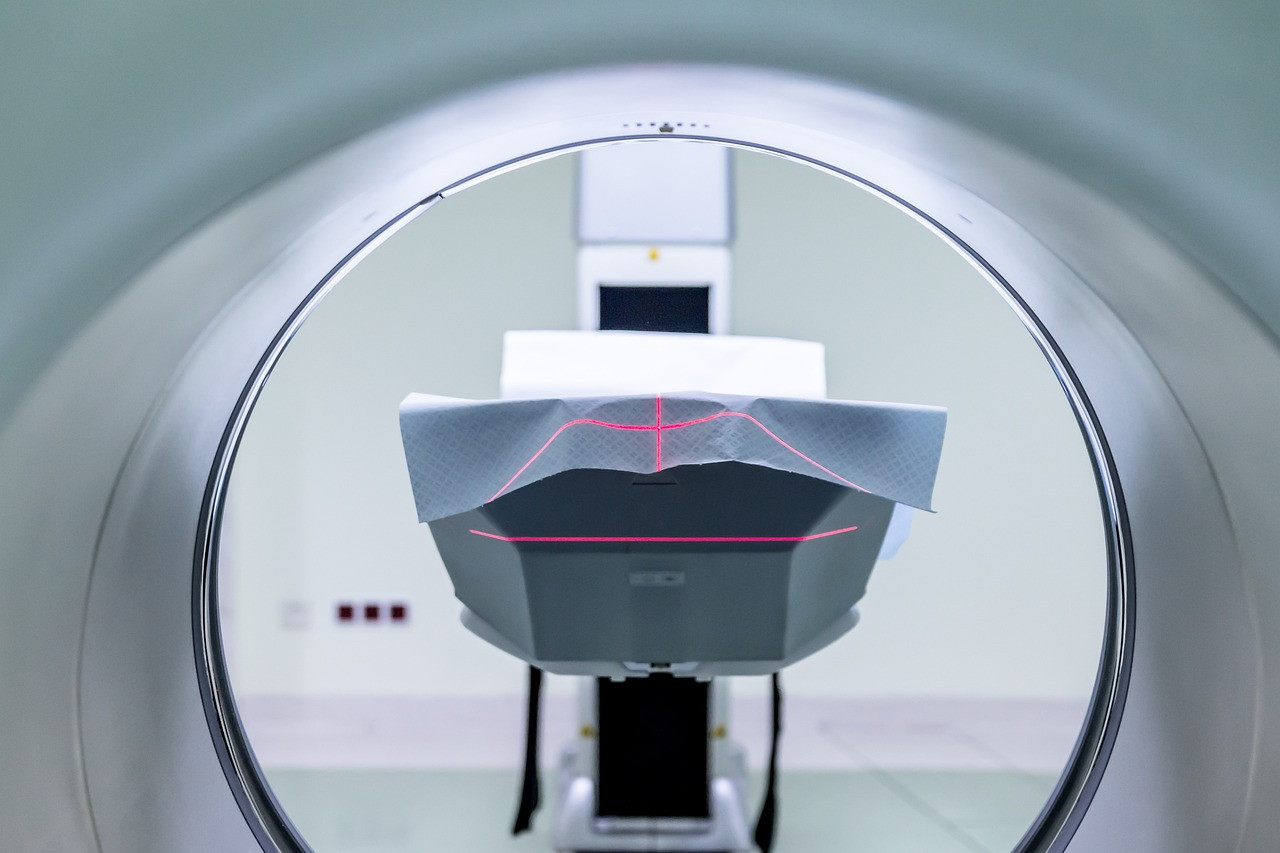
Representative image: jarmoluk / Pixabay
A Karolinska Institutet study of 352 women, reported 4 November 2026, linked longer reproductive years and hormone therapy to fewer brain vessel changes at 70.
What Happened
Women who had longer reproductive years, or who used hormone therapy during menopause, showed fewer signs of damage to the small blood vessels of the brain at about age 70, according to a study from Karolinska Institutet in Sweden published in the journal Neurology and reported on Wednesday, 4 November 2026. The researchers studied 352 Swedish women, all born in 1944, from the Gothenburg H70 Birth Cohort Studies. The study is observational: it shows a link, not cause and effect, and the first author said the results cannot be used to recommend hormone therapy for prevention.
Key Facts
- The study used brain scans and health histories of 352 healthy women from Gothenburg, all born in 1944 and examined at about age 70.
- Researchers estimated lifetime oestrogen exposure from three things: reproductive lifespan (the years from first period to menopause), use of the contraceptive pill, and use of menopausal hormone therapy.
- Women with longer reproductive lifespans, and those who used hormone therapy, tended to have fewer signs of small vessel disease in the brain.
- Hormone therapy users had fewer microbleeds (tiny spots of old bleeding) and fewer enlarged perivascular spaces (widened fluid channels around blood vessels).
- In an adjusted analysis, current or past users of hormone therapy had a 59% lower risk of a greater burden of small vessel disease.
- Among women carrying the APOE-e4 gene variant, which raises the risk of Alzheimer's disease, hormone therapy was linked to a thicker brain cortex in areas affected by Alzheimer's; no such link was seen in women without the variant.
- Hormone levels were not measured directly; reproductive history and hormone use were used as a stand-in.
Why It Matters
Small vessel disease is damage to the tiny blood vessels deep inside the brain. It often causes no symptoms for years, but it is linked to stroke, memory problems and dementia in later life. This study adds evidence that the length of a woman's exposure to oestrogen across her life may be connected with the health of her brain's blood vessels decades later.
The study is useful because the women are a well-defined group: all born in the same year, in the same city, and examined at the same age. That reduces some of the differences that can blur results in mixed-age studies.
The limits are just as important, and the researchers state them. Oestrogen was not measured in the blood; it was estimated from life history. The study cannot show that hormone therapy itself protected the brain. Women who chose hormone therapy may have differed in other ways, such as health, income or lifestyle. The sample is Swedish and fairly small. The first author said the findings cannot be used as a basis for recommending hormone therapy to prevent brain disease. Decisions about hormone therapy, which carries its own known risks and benefits, are made between a woman and her doctor.
Peepals calculation: A 59% lower risk means that hormone therapy users had about 0.41 times the risk of a heavier small vessel disease burden (1 − 0.59 = 0.41); put the other way, non-users had about 2.4 times the risk of users (1 ÷ 0.41 ≈ 2.4). This is an adjusted association in 352 women, not proof of effect. Our calculation from the reported figures.
| Measure | What the study used or found |
|---|---|
| Women studied | 352, born 1944, Gothenburg H70 cohort |
| Age at assessment | About 70 |
| Oestrogen exposure measures | Reproductive lifespan, contraceptive pill, menopausal hormone therapy |
| Hormone therapy and heavier vessel damage | 59% lower risk (adjusted) |
Impact
Short-term: The study adds to the debate on menopause and brain health, and gives doctors and researchers another data point. It does not change any treatment guidance on its own.
Long-term: If larger and more varied studies, including trials, confirm the pattern, the timing of menopause and the use of hormone therapy may become part of how doctors judge a woman's risk of stroke and dementia. The APOE-e4 finding suggests some women may respond differently from others, an area that needs more study.
Who is affected: Women approaching or past menopause, doctors who advise them, and researchers studying dementia and stroke in women.
Key Takeaway
A Karolinska Institutet study of 352 Swedish women, reported on 4 November 2026, linked longer reproductive years and menopausal hormone therapy to fewer signs of small blood vessel damage in the brain at age 70, but the authors say it does not support using hormone therapy for prevention.
Questions and Answers
What did the Karolinska Institutet oestrogen study find?
It found that women with longer reproductive years, and those who used menopausal hormone therapy, had fewer signs of small vessel disease in the brain at about age 70, including fewer microbleeds among hormone therapy users.
Does this study mean women should take hormone therapy to protect the brain?
No. The study is observational and cannot prove cause and effect, and its first author said the results cannot be used to recommend hormone therapy for preventive purposes.
Who took part in the study?
352 healthy Swedish women, all born in 1944, from the Gothenburg H70 Birth Cohort Studies, who had brain scans at about age 70.
What is small vessel disease in the brain?
It is damage to the tiny blood vessels deep in the brain. It can stay silent for years but is linked to stroke, memory problems and dementia later in life.
Disclaimer: Prepared by the Peepals newsroom from publicly available sources with AI assistance. Information is accurate to the best of our knowledge at the time of publication and may change. Images may be representative. Not professional advice. Report an error via our contact page.
By Vikram Joshi, Life Balance CorrespondentCovers Life Balance and more for Peepals Shakti. All stories by Vikram Joshi
Nithya Raman, Kerala-born councillor, leads Karen Bass in LA mayor count
Rx Kids study: Flint newborn deaths halve after cash to mothers
Get the day's stories in your inbox
Peepals Weekly: the week decoded, free. One email a week, unsubscribe in one click.
Vikram Joshi is a pen name of the Peepals Global Editorial Team, which researches, fact-checks and publishes every story. The portrait is an illustration.