
Sustainable clothing study: green values alone may not sell a wood-fibre T-shirt
 By Simran KaurFashion Writer, Peepals Shakti
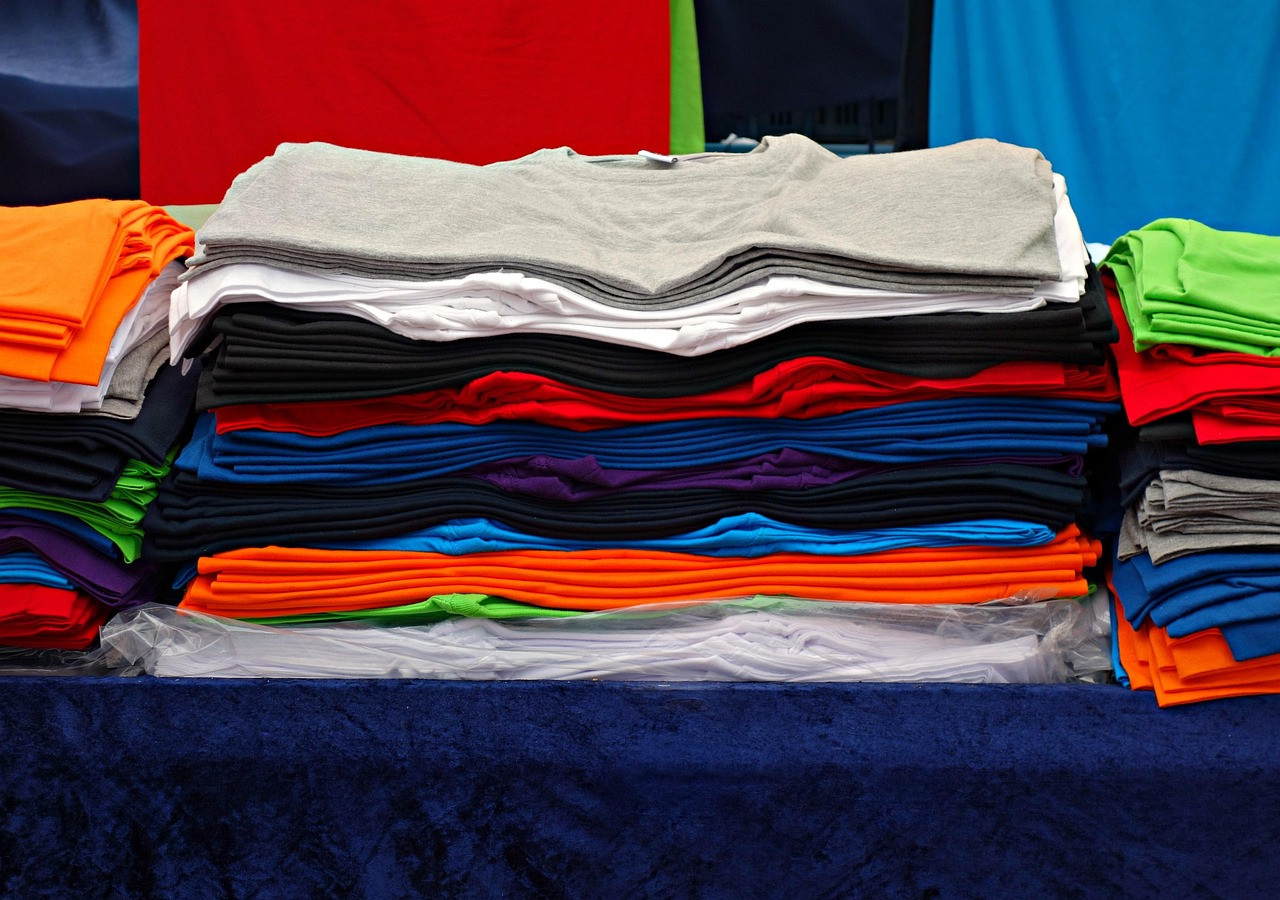
Representative image: MabelAmber / Pixabay
A University of Eastern Finland study reported in early November 2026 found sustainability values raise willingness to buy a wood-based T-shirt, but practicality weakens it.
What Happened
Caring about sustainability does not, on its own, reliably make shoppers buy greener products, and a strong focus on price and practicality can cancel it out, according to a study from the University of Eastern Finland reported in the first week of November 2026. The research, published in the journal Forest Policy and Economics, tested how people respond to three wood-based products, including a T-shirt made from wood fibre. For the T-shirt, people with stronger sustainability values said they were more willing to buy it, but that link weakened among people who put practical benefits such as price and function first.
Key Facts
- Study: University of Eastern Finland, published in Forest Policy and Economics; reported in the first week of November 2026.
- Design: three separate studies of Finnish consumers, with 461, 239 and 459 participants.
- Products tested: a wood-based T-shirt, a wood-based bioplastic bottle and a biofuel.
- T-shirt: stronger sustainability values went with a higher stated willingness to buy; enjoyment did not significantly strengthen that link.
- Practical focus: an emphasis on price, functionality and economic benefit weakened the link between sustainability values and buying intentions.
- Bottle: enjoyment of the product significantly increased willingness to pay for the sustainable option.
- Biofuel: showed the strongest negative interaction between practical attitudes and sustainability values.
- Limits: the samples were Finnish, so the results may not apply directly to other markets.
Why It Matters
Clothing made from recycled or plant-based fibres is often sold as a greener choice, sometimes at a higher price. Brands that sell it tend to assume that buyers who say they care about the planet will pay more. This study suggests the picture is more complicated. Values matter, but a shopper who weighs cost, durability and comfort first may not act on them.
For clothing in particular, the researchers found that enjoyment, the sense that a product is pleasant to use or own, did not add much for the T-shirt, unlike the bottle. That suggests a sustainable garment has to win on the basics, how it feels, fits and lasts, rather than relying on its green label or on making the purchase feel good.
The findings are relevant to Indian clothing brands, including women-led craft and design businesses, that market sustainability as a selling point. A green claim may draw attention, but the study suggests practical value is what turns attention into a sale. The research covered stated intentions in surveys, not actual purchases, which is another limit to keep in mind.
Peepals calculation: The three studies together involved 1,159 participants (461 + 239 + 459). The third study, the one that compared the T-shirt, bottle and biofuel side by side, made up about 40% of all participants (459 ÷ 1,159 ≈ 0.396). The first study was about 1.9 times the size of the second (461 ÷ 239 ≈ 1.93). Our calculation from the reported figures.
| Product | What the study found |
|---|---|
| Wood-based T-shirt | Sustainability values linked to higher willingness to buy; enjoyment added little; practical focus weakened the link |
| Wood-based bioplastic bottle | Enjoyment significantly raised willingness to pay |
| Biofuel | Strongest negative interaction between practical attitudes and sustainability values |
Impact
Short-term: Brands selling sustainable clothing may need to put more emphasis on comfort, durability and value for money in how they present their products, not only on environmental claims.
Long-term: If shoppers keep judging green products on practical terms, the fibres and designs that succeed will be those that match or beat conventional materials on price and performance.
Who is affected: Fashion and textile companies developing wood-based and other alternative fibres; designers and small labels marketing sustainable clothing; and shoppers deciding whether green products are worth a higher price.
Key Takeaway
A University of Eastern Finland study of three groups of Finnish consumers found that sustainability values raise willingness to buy a wood-based T-shirt, but a strong focus on price and practicality weakens that effect.
Questions and Answers
Do people who care about sustainability buy sustainable clothing?
Partly. In the University of Eastern Finland study, stronger sustainability values were linked to a higher stated willingness to buy a wood-based T-shirt, but the link weakened among people who focused on practical benefits such as price and function.
What products did the study test?
A wood-based T-shirt, a wood-based bioplastic bottle and a biofuel, across three studies with 461, 239 and 459 Finnish participants.
Does enjoyment make people pay more for green products?
For the bioplastic bottle, yes: enjoyment significantly increased willingness to pay. For the T-shirt, enjoyment did not significantly strengthen the effect of sustainability values.
Do the results apply to India?
Not directly. The participants were Finnish, and the study measured what people said they would do, not what they actually bought.
Disclaimer: Prepared by the Peepals newsroom from publicly available sources with AI assistance. Information is accurate to the best of our knowledge at the time of publication and may change. Images may be representative. Not professional advice. Report an error via our contact page.
By Simran Kaur, Fashion WriterCovers Fashion and more for Peepals Shakti. All stories by Simran Kaur
Rx Kids study: Flint newborn deaths halve after cash to mothers
Women own 37.6% of 10 crore Udyam MSMEs; ministry targets 50%
Get the day's stories in your inbox
Peepals Weekly: the week decoded, free. One email a week, unsubscribe in one click.
Simran Kaur is a pen name of the Peepals Global Editorial Team, which researches, fact-checks and publishes every story. The portrait is an illustration.