
Plant protein linked to slightly higher testosterone in Finnish men
 By Devansh TiwariKnowledge Systems Writer, Peepals Sanskriti
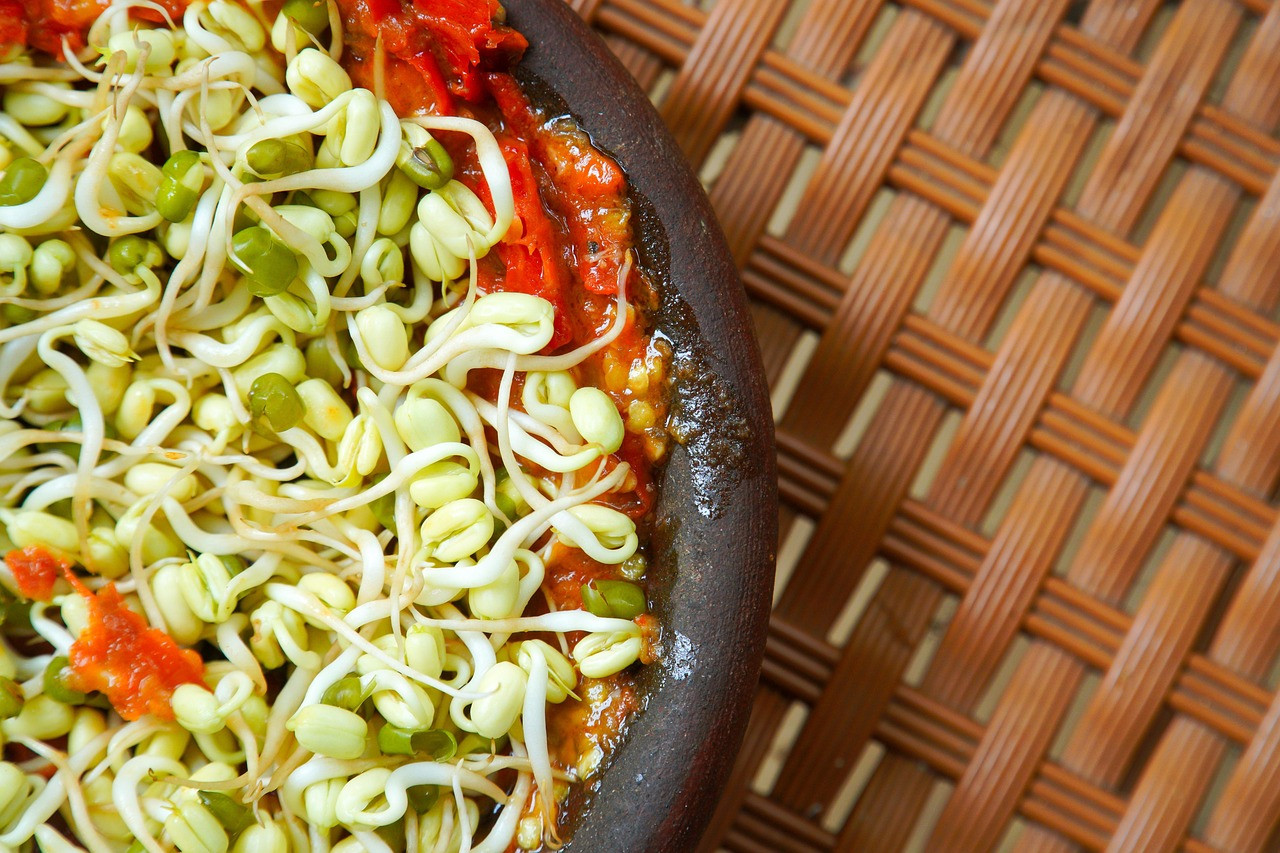
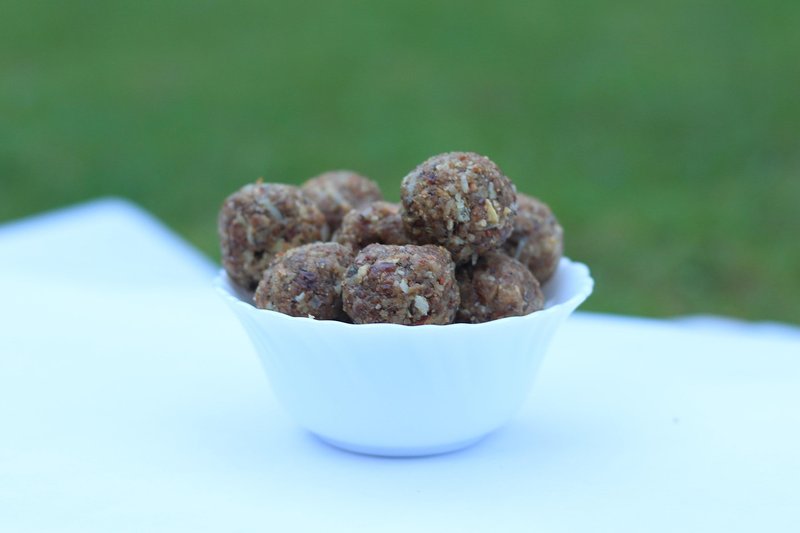
Representative image: bennyqibal / Pixabay
A University of Eastern Finland study of 2,546 men, reported on 28 October 2026, tied plant protein to slightly higher testosterone and animal protein to lower.
What Happened
Men who ate the most plant protein had slightly higher testosterone levels, and men who ate the most animal protein had slightly lower levels, according to a study from the University of Eastern Finland reported on 28 October 2026. The researchers analysed the diets and blood samples of 2,546 Finnish men aged 42 to 60 who took part in the long-running Kuopio Ischaemic Heart Disease Risk Factor Study, and published their findings in the International Journal of Food Sciences and Nutrition. They stress that the study shows an association, not cause and effect, and that the differences were small.
Key Facts
- The study covered 2,546 men aged 42 to 60 from eastern Finland.
- The data came from the Kuopio Ischaemic Heart Disease Risk Factor Study (KIHD), a population study run from the University of Eastern Finland.
- Men in the group with the highest animal protein intake had total testosterone about 1.2 nanomoles per litre (nmol/L) lower than men with the lowest intake.
- Men with the highest plant protein intake had total testosterone about 1.1 nmol/L higher than those with the lowest intake.
- The link with plant protein was driven by protein from vegetables and other non-cereal plant foods.
- Dairy protein was linked to lower total testosterone and lower levels of sex hormone-binding globulin (SHBG), while meat protein was linked to lower SHBG but not to total testosterone.
- The researchers say the design cannot prove cause and effect, and it is not known whether differences of this size matter for health.
Why It Matters
Protein is one of the main nutrients in food. It comes from animal sources such as meat, fish, eggs and milk, and from plant sources such as vegetables, pulses, nuts and grains. Advice on protein usually focuses on how much people eat. This study looks at where the protein comes from and asks whether the source is linked to hormone levels.
Testosterone is the main male sex hormone. It plays a part in muscle, bone, energy and sexual health, and levels tend to fall slowly as men age. Sex hormone-binding globulin is a protein in the blood that carries testosterone and controls how much of it is free for the body to use. The Finnish team found that different animal proteins were linked to these two markers in different ways: dairy protein to lower testosterone and lower SHBG, and meat protein to lower SHBG only.
For readers who follow a mainly vegetarian, plant-based way of eating, the study adds one more piece to a growing body of research on plant-forward diets. It does not show that eating more vegetables will raise a man's testosterone, and it does not show that milk or meat lowers it. The study took one snapshot of what men ate and their blood levels at the same time. This is called a cross-sectional design. It can find links, but other factors, such as body weight, physical activity or overall diet quality, may explain part of what was seen.
The size of the differences also matters. A gap of about one nanomole per litre is statistically significant in a study of this size, but the researchers say it is not clear whether such a gap makes any difference to a man's health.
| Protein source | Link with total testosterone in the study |
|---|---|
| Highest vs lowest animal protein intake | About 1.2 nmol/L lower |
| Highest vs lowest plant protein intake | About 1.1 nmol/L higher |
| Dairy protein | Linked to lower testosterone and lower SHBG |
| Meat protein | Linked to lower SHBG, not to total testosterone |
Impact
Short-term: The findings are likely to draw interest from people choosing between plant and animal sources of protein, and from those who follow traditional vegetarian diets. They do not change any official dietary advice.
Long-term: The authors' caution points to the need for trials that change men's protein sources and then measure hormone levels over time. Such studies would show whether the link seen here is a real effect of food or the result of other lifestyle differences.
Who is affected: Middle-aged and older men, people weighing plant-based and animal-based diets, nutrition researchers, and doctors who advise on diet and hormone health.
Key Takeaway
A University of Eastern Finland study of 2,546 men, reported on 28 October 2026, linked more plant protein with slightly higher testosterone and more animal protein with slightly lower levels, but it cannot show that diet caused the difference.
Questions and Answers
Does plant protein increase testosterone in men?
The study did not show that. It found that men aged 42 to 60 who ate the most plant protein had total testosterone about 1.1 nmol/L higher than those who ate the least, but because it was a one-time snapshot, it cannot show that plant protein caused the higher levels.
Does milk or dairy lower testosterone?
In this Finnish study of 2,546 men, dairy protein was linked to lower total testosterone and lower sex hormone-binding globulin. The researchers say the design cannot prove cause and effect, and the health importance of the small differences is unknown.
Who carried out the plant protein and testosterone study?
Researchers at the University of Eastern Finland, using data from the Kuopio Ischaemic Heart Disease Risk Factor Study. The findings were published in the International Journal of Food Sciences and Nutrition and reported on 28 October 2026.
Should men change their diet because of this study?
The study does not give dietary advice. Its authors describe the differences as small and of uncertain health importance, so anyone thinking about changing their diet for health reasons can discuss it with a doctor or qualified dietitian.
Disclaimer: Prepared by the Peepals newsroom from publicly available sources with AI assistance. Information is accurate to the best of our knowledge at the time of publication and may change. Images may be representative. Not professional advice. Report an error via our contact page.
By Devansh Tiwari, Knowledge Systems WriterCovers Knowledge Systems and more for Peepals Sanskriti. All stories by Devansh Tiwari
Kerala suspends 32 snack units, destroys 568 litres of used cooking oil
UP cancels registrations of 19 more Ayurvedic doctors over forged degrees
Get the day's stories in your inbox
Peepals Weekly: the week decoded, free. One email a week, unsubscribe in one click.
Devansh Tiwari is a pen name of the Peepals Global Editorial Team, which researches, fact-checks and publishes every story. The portrait is an illustration.