
Sam Altman calls RAM in home PCs 'quite terrible' amid AI memory crunch
 By Anika SharmaAI & Innovations Editor, Peepals Tech
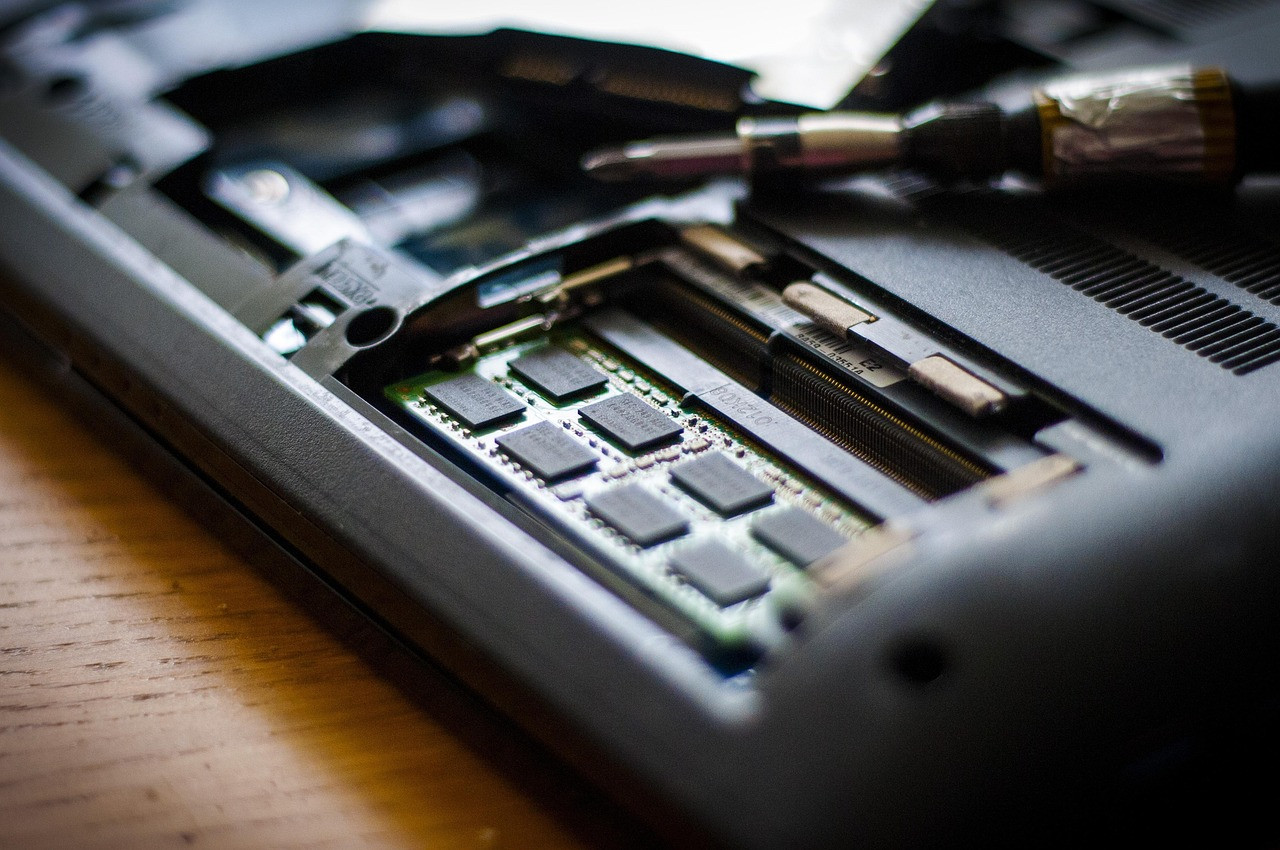
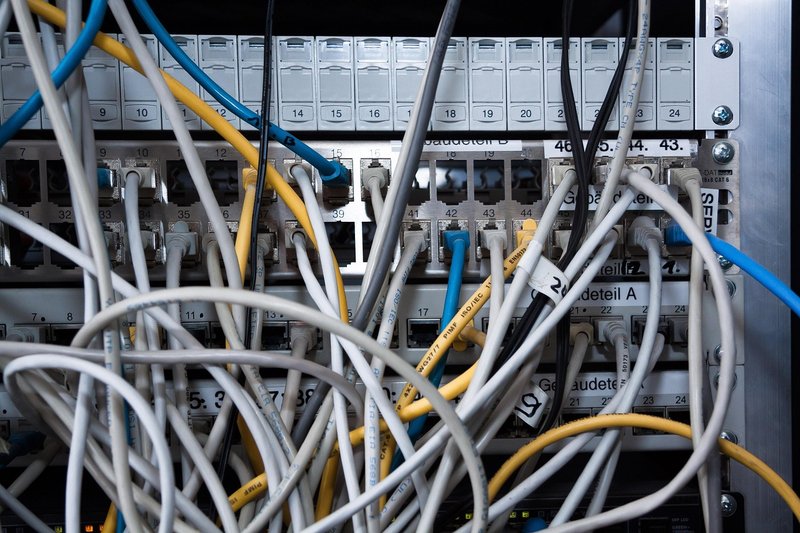
Representative image: fancycrave1 / Pixabay
OpenAI chief Sam Altman said in a podcast that keeping RAM in personal computers is 'quite terrible' when AI data centres need memory, drawing wide criticism in early November 2026.
What Happened
OpenAI chief executive Sam Altman has drawn heavy criticism after saying it is "quite terrible" for people to keep memory chips (RAM) in their own computers when that memory could be used in artificial intelligence data centres. He made the remark in a podcast conversation with Stripe co-founder John Collison, according to reports published in early November 2026. Altman estimated that memory in a personal computer is in use only about 5 per cent of the time, but did not give data for that figure. He was responding to the idea that running open-source AI models on personal devices would ease the global shortage of memory chips on its own. The comments spread quickly online, and reports said Elon Musk mocked them.
Key Facts
- Speaker: Sam Altman, chief executive of OpenAI.
- Setting: a podcast interview with Stripe co-founder John Collison.
- Remark: keeping RAM in personal computers when data centres need it is "quite terrible", as reported.
- Claim: memory in a personal computer is in use about 5 per cent of the time; no supporting data was given.
- Context: he was rebutting the idea that local, open-source AI models alone would solve the memory shortage.
- Reaction: widespread criticism online; reports say Elon Musk mocked the claim.
- Backdrop: AI companies including OpenAI, Anthropic and Meta are competing for memory supply, and Apple has raised prices on several Macs and iPads as memory costs rise, according to reports.
Why It Matters
RAM, or random-access memory, is the short-term working memory of a computer or phone. It holds the data that programs are using right now. AI systems need enormous amounts of it, because large models must keep billions of numbers ready to process at once. As AI companies build ever bigger data centres, they are buying up memory chips, and the shortage is now showing up in the prices of ordinary devices.
Altman's point was about efficiency. A data centre can keep its memory busy almost all the time by sharing it among many users, while a home computer's memory sits idle for much of the day. On that reading, he was arguing that the shortage is better solved in the cloud than by everyone running AI on their own machines.
Many people heard something different. For PC owners, gamers and developers who have watched memory prices climb, the remark sounded like the head of a company buying up scarce chips telling them their own computers are wasteful. Critics noted that OpenAI is itself one of the biggest buyers of memory for projects such as its Stargate data centres. One analysis pointed out that Altman did not say people should stop owning computers, or propose taking memory away from anyone; but the wording, combined with rising prices, made the backlash predictable.
The debate also touches a real question for the future of AI: whether people will mainly use AI running in distant data centres, controlled by a few companies, or on their own devices, where data stays private and services work offline. Altman's remarks place OpenAI clearly on the data-centre side.
For Indian users, the practical effect of the memory crunch is in prices: when global memory costs rise, laptops, phones and PC parts sold in India can follow.
Peepals calculation: If a home computer's memory is in use about 5 per cent of the time, as Altman estimated, it is idle about 95 per cent of the time, roughly 22.8 hours in every 24 (0.95 multiplied by 24). This uses only Altman's own unsupported figure. Our calculation from the reported figures.
Impact
Short-term: The remarks have fuelled anger among PC users already facing higher memory prices, and put a spotlight on how much memory AI companies are buying.
Long-term: The argument over whether AI should run mainly in data centres or on personal devices is likely to shape product choices, from AI PCs to cloud subscriptions.
Who is affected: PC and laptop buyers, gamers, developers running AI models locally, memory chip makers, and AI companies competing for supply.
Key Takeaway
Sam Altman's claim that RAM in home PCs is 'quite terrible' when AI data centres need it has turned the AI memory shortage into a public argument about who should get scarce chips.
Questions and Answers
What did Sam Altman say about RAM?
In a podcast with Stripe co-founder John Collison, Altman said it is "quite terrible" for people to have RAM in their personal computers when AI data centres need memory, estimating PC memory is used only about 5% of the time.
Why is there a memory shortage?
AI companies such as OpenAI, Anthropic and Meta are buying large amounts of memory for data centres, which has tightened supply and pushed up prices for devices, according to reports.
Did Altman say people should not own computers?
No. One analysis of his remarks notes he did not say people should stop owning computers or propose taking memory away from anyone; he argued data centres use memory more efficiently.
How did people react to Sam Altman's RAM comment?
The reaction online was largely negative. Critics called it out of touch given OpenAI's own large memory purchases, and reports said Elon Musk mocked the claim.
Disclaimer: Prepared by the Peepals newsroom from publicly available sources with AI assistance. Information is accurate to the best of our knowledge at the time of publication and may change. Images may be representative. Not professional advice. Report an error via our contact page.
By Anika Sharma, AI & Innovations EditorCovers AI & Innovation and more for Peepals Tech. All stories by Anika Sharma
Astrobase rocket engine plant, Bayer GCC: Karnataka gets Rs 700 crore
Karbonn Rebel, Rebel Pro go on sale: Rs 11,999 phones mark brand's return
Get the day's stories in your inbox
Peepals Weekly: the week decoded, free. One email a week, unsubscribe in one click.
Anika Sharma is a pen name of the Peepals Global Editorial Team, which researches, fact-checks and publishes every story. The portrait is an illustration.