

Cannabis in 84% of teens' substance-related ER visits, WashU study finds
 By Kabir SethiEducation Correspondent, Peepals Yuva
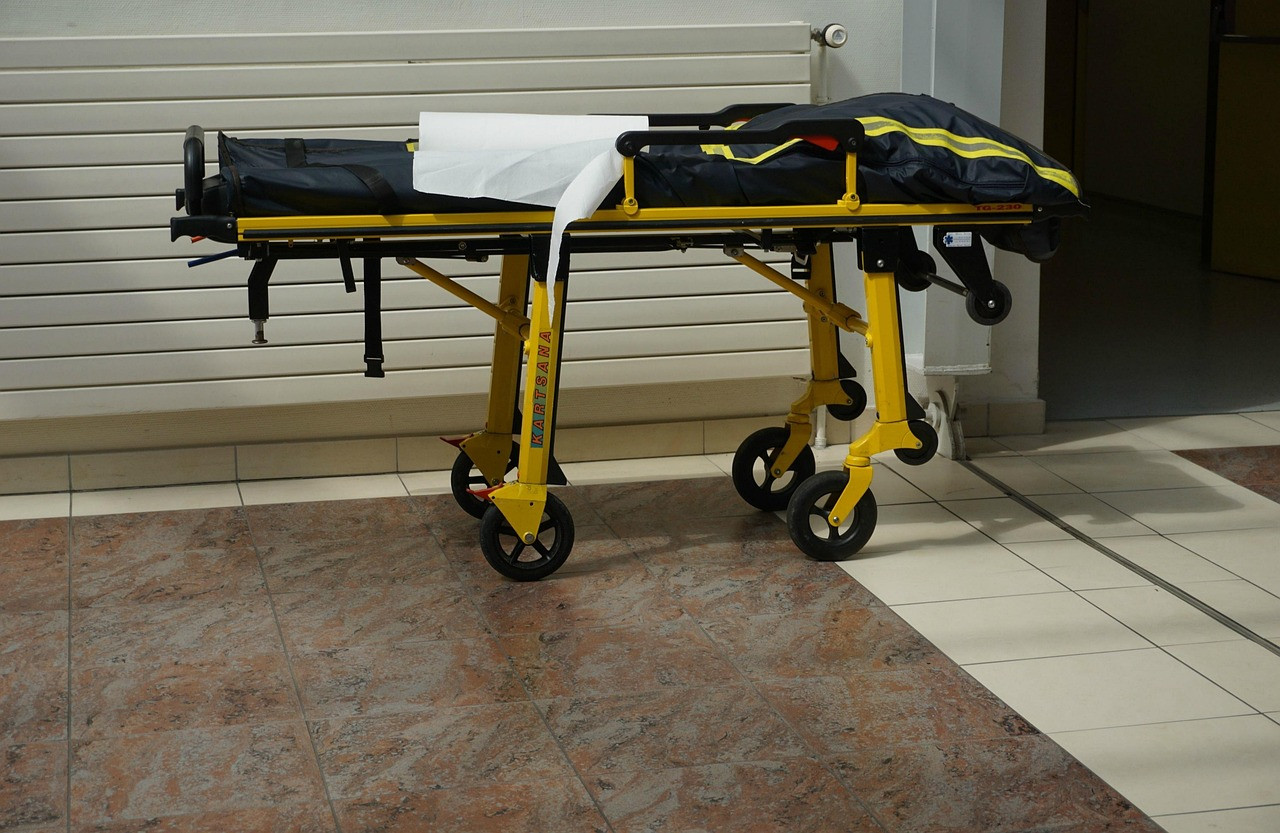
Representative image: 2204574 / Pixabay
A WashU Medicine study published on 4 November 2026 found cannabis in 84% of substance-related acute care visits among US 16-18 year olds; alcohol led in older adults.
What Happened
Cannabis was involved in most substance-related emergency visits and hospital stays among American teenagers and young adults, while alcohol dominated among older adults, according to a study by researchers at Washington University School of Medicine in St. Louis (WashU Medicine) published on Wednesday, 4 November 2026 in The American Journal of Psychiatry. The team looked at United States acute care records from 2016 to 2023. Among people aged 16 to 18 who needed substance-related acute care, 84% had an encounter that involved cannabis.
Key Facts
- The paper is titled "Changing Patterns of Alcohol and Cannabis Acute Care Admissions by Age in the United States, 2016-2023". Jacob Steinle is the first author and psychiatrist Kevin Y. Xu is the senior author.
- The data set held more than 5 million substance-related encounters, covering over 1.3 million people who received emergency or inpatient care.
- Patients were split into six age groups. In the 16 to 18 group, 84% had a cannabis-involved encounter and 33% had an alcohol-related one.
- Among adults aged 55 to 64, 70% had an alcohol-related encounter.
- The share of encounters involving cannabis rose fastest among 19 to 24 year olds, by 1.81 percentage points a year, and by 0.83 points a year among 16 to 18 year olds.
- The authors reported notable increases in cannabis-related admissions involving psychosis and severe vomiting among younger patients.
Why It Matters
The study gives a picture of which substances send people of different ages to hospital, rather than which substances they say they use in surveys. For young people the answer is now mostly cannabis; for older adults it is still mostly alcohol. The two substances cause different kinds of acute problems, so the split matters for how hospitals prepare.
Two of the problems the team flagged are worth explaining. Psychosis is a state in which a person loses touch with reality, for example hearing voices or holding false beliefs. Cannabinoid hyperemesis syndrome is a condition tied to cannabis use in which a person has repeated bouts of severe vomiting. Both can bring a young person to an emergency department. In WashU Medicine's account of the work, Xu pointed to the high strength of many cannabis products sold today as a particular concern for brains that are still developing.
The study has clear limits, and the authors set them out. An encounter was counted as cannabis-involved if cannabis appeared anywhere in the list of diagnoses, so the visit may have been mainly about something else. Nearly half of the cannabis-involved encounters also involved another substance. The records come only from the United States, so the findings describe that country and cannot be read across directly to others, including India.
For students and first-jobbers, the useful point is narrower than the headline: the age group that showed the steepest rise, 19 to 24, is the college and early-career group. The study measures hospital visits, not everyday use, so it says nothing about how common cannabis use is in any campus or city.
Peepals calculation: if the cannabis share among 19 to 24 year olds grew by 1.81 percentage points every year across the seven yearly steps from 2016 to 2023, the total rise is about 12.7 points (1.81 × 7 ≈ 12.7), against about 5.8 points for 16 to 18 year olds (0.83 × 7 ≈ 5.8), so the young-adult rise was roughly 2.2 times as steep (1.81 ÷ 0.83 ≈ 2.2). Among 16 to 18 year olds, cannabis appeared in about 2.5 times as many substance-related encounters as alcohol (84 ÷ 33 ≈ 2.5). Our calculation from the reported figures.
| Age group | Main substance in acute care | Reported figure |
|---|---|---|
| 16 to 18 | Cannabis | 84% of encounters involved cannabis |
| 16 to 18 | Alcohol | 33% involved alcohol |
| 19 to 24 | Cannabis | fastest rise, 1.81 points a year |
| 55 to 64 | Alcohol | 70% involved alcohol |
Impact
Short-term: Emergency teams in the United States may see the findings as support for asking young patients about cannabis as routinely as they ask about alcohol, since the two substances present in different ways.
Long-term: Prevention work aimed at young people may need to give cannabis more attention, while programmes for older adults stay focused on alcohol. The authors' data on psychosis and vomiting admissions adds to wider research interest in the effects of high-strength products.
Who is affected: Teenagers and young adults, their families, college health services, emergency doctors and public health planners, mainly in the United States.
Key Takeaway
A WashU Medicine study of more than 5 million US acute care encounters found cannabis in 84% of substance-related visits among 16 to 18 year olds, while alcohol led among adults aged 55 to 64.
Questions and Answers
What did the WashU Medicine cannabis emergency visits study find?
It found that cannabis was involved in most substance-related emergency visits and hospital stays among US teenagers and young adults between 2016 and 2023, including 84% of such encounters among 16 to 18 year olds, while alcohol was involved in 70% of encounters among adults aged 55 to 64.
Does the study mean cannabis caused every one of those hospital visits?
No. A visit counted as cannabis-involved if cannabis appeared anywhere in the diagnosis list, so the main reason for care could have been something else, and nearly half of those encounters also involved another substance.
Which age group saw the fastest rise in cannabis-related encounters?
Young adults aged 19 to 24, whose share rose by 1.81 percentage points a year, compared with 0.83 points a year for 16 to 18 year olds.
Do the findings apply to India?
Not directly. The study used only United States hospital records, so it does not measure cannabis use or hospital visits in India.
Disclaimer: Prepared by the Peepals newsroom from publicly available sources with AI assistance. Information is accurate to the best of our knowledge at the time of publication and may change. Images may be representative. Not professional advice. Report an error via our contact page.
By Kabir Sethi, Education CorrespondentCovers Education and more for Peepals Yuva. All stories by Kabir Sethi
Yuva Udyoga Sethu: Karnataka's jobs portal and Rs 5,000 crore skilling plan
Maaya Rajeshwaran Revathi Chennai Open run ends in quarters to Montgomery
Get the day's stories in your inbox
Peepals Weekly: the week decoded, free. One email a week, unsubscribe in one click.
Kabir Sethi is a pen name of the Peepals Global Editorial Team, which researches, fact-checks and publishes every story. The portrait is an illustration.