
Children's Society survey: half of UK teenagers lonely, 81% feel supported
 By Aarav DeshpandeSports Correspondent, Peepals Yuva
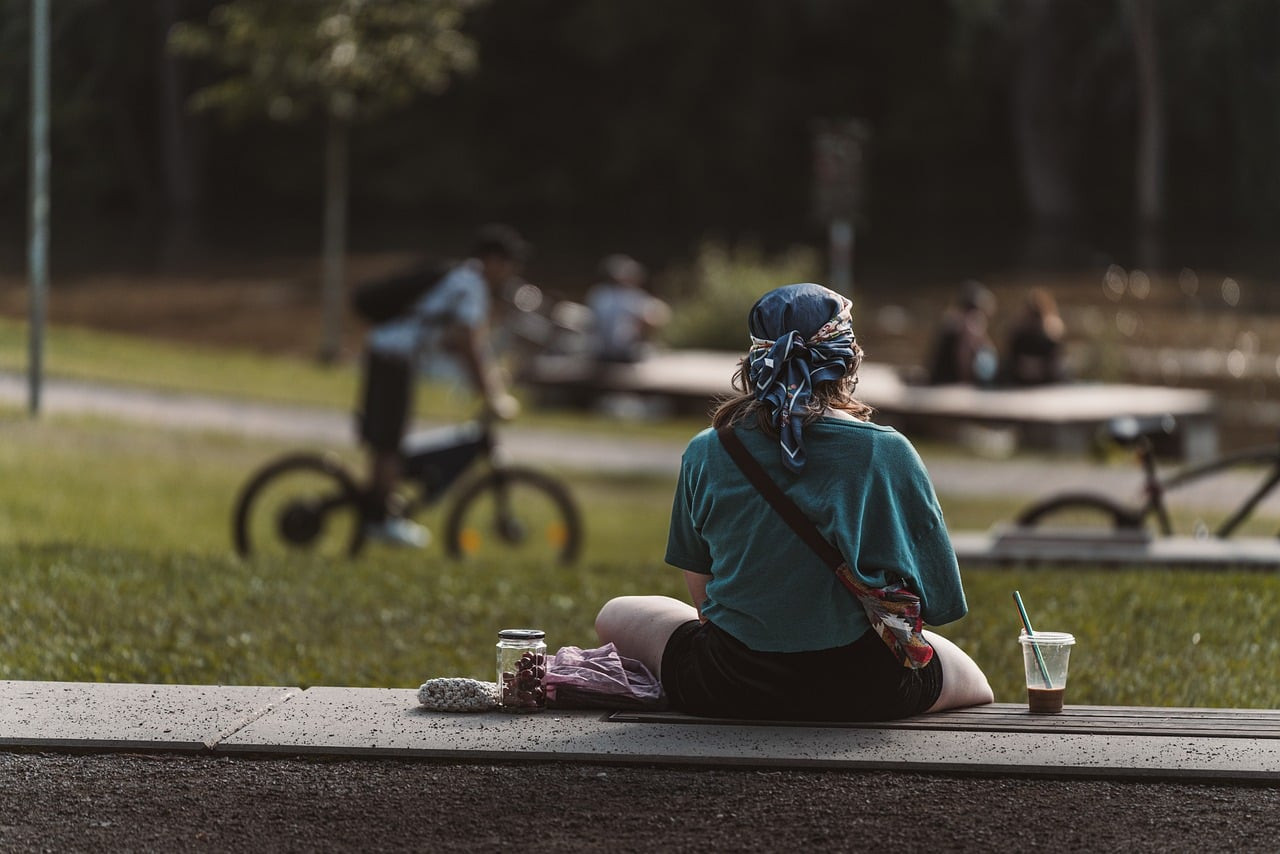
Representative image: ahmetyuksek / Pixabay
A YouGov poll for The Children's Society, released 4 November 2026, found 50% of UK teens feel lonely though 81% feel supported; 61% among 16-18s.
What Happened
Half of teenagers in the UK say they feel lonely or isolated, even though most of them say the people around them support them, according to a survey released by the charity The Children's Society on Wednesday, 4 November 2026. The polling firm YouGov questioned almost 1,500 teenagers aged 13 to 18 for the charity. The findings were published as the charity launched a campaign it calls Save Teenhood, which asks for more drop-in services where young people can talk to a trained professional without booking an appointment.
Key Facts
- 50% of the teenagers surveyed said they feel lonely or isolated; 81% said they feel supported by those around them.
- Loneliness rises with age: 42% of under-16s reported it, against 61% of 16- to 18-year-olds.
- 69% said there are not enough free or affordable places for teenagers to go.
- Only 32% of teenagers who feel stressed or overwhelmed talk to someone about it; among boys the figure is 28%.
- In separate questions from the same polling, one in five teenagers said they often feel overwhelmed by electronic devices such as phones, tablets, computers and smart watches.
- About one in 10 said being without a device would leave them feeling relaxed or relieved, and 13% said they would feel calm; only 5% of adults expected teenagers to feel relieved.
Why It Matters
The survey points to a gap that many young people will recognise: having people who care about you is not the same as feeling connected. A teenager can have supportive parents, friends at school and a busy group chat and still spend evenings feeling alone. The charity's figures suggest this is not rare but ordinary, affecting one in two teenagers in the survey.
The sharp rise between the younger and older groups is the most telling part. The years from 16 to 18 are when many young people change schools or colleges, start part-time work, prepare for exams and begin to move away from the routines of childhood. Friendship groups break up and re-form. The survey suggests these transition years are when loneliness is most common, which matters for anyone leaving home for college or a first job.
The findings on places to go also say something about how young people spend their time. When cafes, cinemas and clubs cost money, and parks or community centres are few, the phone becomes the default meeting place. Yet the same polling shows many teenagers already feel overwhelmed by their devices, and some say they would feel relieved to put them down. Adults, the survey found, mostly do not expect that answer. The charity has also installed a phone box on London's South Bank, built from hundreds of recycled mobile phones, as part of the campaign.
The charity's chief executive, Mark Russell, has said it is far too hard to be a teenager in the UK today. The campaign's main request is practical: drop-in services that do not need an appointment, so a young person who is struggling can walk in and talk the same day.
Peepals calculation: If 81% feel supported and 50% feel lonely, at least 31% of the teenagers surveyed must be both, since the two groups together add up to more than the whole (81 + 50 - 100 = 31). Loneliness among 16- to 18-year-olds (61%) is about 45% higher than among under-16s (61 ÷ 42 ≈ 1.45). Our calculation from the reported figures.
| Finding | Share of teenagers |
|---|---|
| Feel lonely or isolated | 50% |
| Feel supported by those around them | 81% |
| Lonely, aged under 16 | 42% |
| Lonely, aged 16 to 18 | 61% |
| Not enough free or affordable places to go | 69% |
Impact
Short-term: The survey adds to pressure in the UK for more youth services and drop-in mental health support. It also gives families a simple prompt: a teenager who seems well supported may still feel lonely, and asking directly is worth it.
Long-term: The findings fit a wider pattern of research showing that young people report loneliness more than older adults. How schools, councils and families respond to the 16-to-18 age group, when loneliness peaks in this survey, may shape habits that carry into adult life.
Who is affected: Teenagers in the UK and their families, schools and youth services. Young readers elsewhere, including Indian students preparing to move for college or work, may recognise the same pattern of feeling supported yet alone during big transitions.
Anyone in India who is struggling and needs to talk can call the free Tele-MANAS helpline on 14416.
Key Takeaway
A YouGov poll for The Children's Society found half of UK teenagers feel lonely despite 81% feeling supported, with loneliness rising to 61% among 16- to 18-year-olds.
Questions and Answers
How many UK teenagers feel lonely, according to the Children's Society survey?
Half. In a YouGov poll of almost 1,500 teenagers aged 13 to 18, released on 4 November 2026, 50% said they feel lonely or isolated.
Can you feel lonely even when you have support?
The survey suggests so. 81% of teenagers said they feel supported by people around them, yet 50% still said they feel lonely, which means at least three in 10 felt both at once.
Which age group of teenagers feels most lonely?
Older teenagers. Loneliness was reported by 61% of 16- to 18-year-olds, compared with 42% of those under 16.
What is the Save Teenhood campaign asking for?
The Children's Society wants more drop-in services where young people can talk to a trained professional without needing an appointment, and it points to a lack of free or affordable places for teenagers to go.
Disclaimer: Prepared by the Peepals newsroom from publicly available sources with AI assistance. Information is accurate to the best of our knowledge at the time of publication and may change. Images may be representative. Not professional advice. Report an error via our contact page.
By Aarav Deshpande, Sports CorrespondentCovers Sports and more for Peepals Yuva. All stories by Aarav Deshpande
UPSC DAF-II 2026: CSE Mains qualifiers must apply by November 25
Krish Aggarwal Diana Award 2026: Delhi student's fan filter reaches 10,000
Get the day's stories in your inbox
Peepals Weekly: the week decoded, free. One email a week, unsubscribe in one click.
Aarav Deshpande is a pen name of the Peepals Global Editorial Team, which researches, fact-checks and publishes every story. The portrait is an illustration.