
Instagram and loneliness: late-night posts, fewer likes are clues, study finds
 By Kabir SethiEducation Correspondent, Peepals Yuva
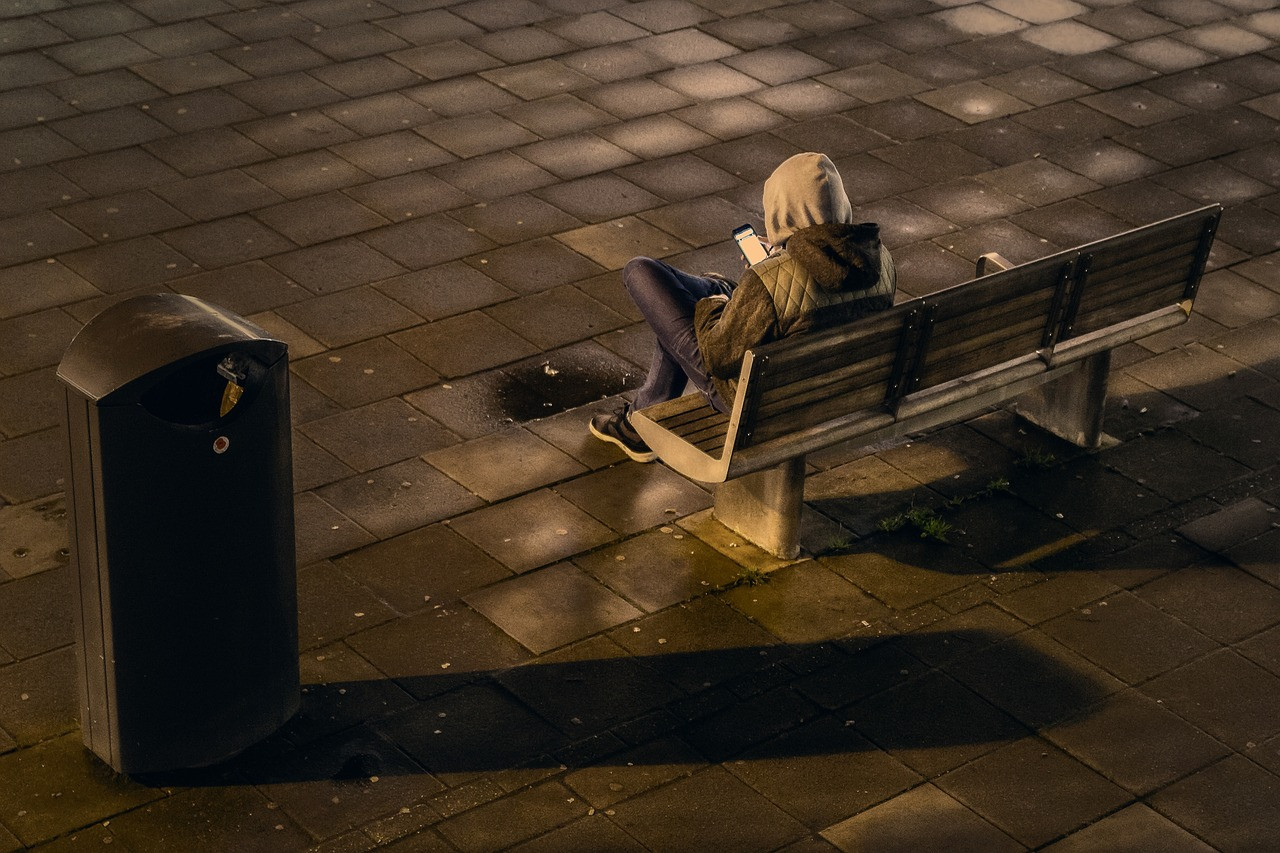
Representative image: StockSnap / Pixabay
A UC San Diego study of 415 students, published 6 November 2026, found Instagram photos, words and activity moderately predict how lonely young people feel.
What Happened
How a young person uses Instagram can give moderately useful clues to how lonely they feel, according to a study by researchers at the University of California San Diego published on Friday, 6 November 2026, in the journal npj Mental Health Research. The team analysed the Instagram activity of 415 American college students, looking at their photos, the language they used and how they interacted with others. These signals predicted how lonely the students said they felt with fair accuracy, but they were weaker at spotting social isolation, meaning how few social contacts a person actually has. The researchers stressed that the study cannot show whether loneliness changes Instagram behaviour or the other way round.
Key Facts
- Study: University of California San Diego researchers, published in npj Mental Health Research on Friday, 6 November 2026.
- Participants: 415 US college students, mostly women.
- Data used: Instagram photos, captions and comments, and activity such as likes and posting times.
- Accuracy: models reached an AUC score of 0.77 for overall loneliness on the UCLA Loneliness Scale, and 0.74 for both emotional and social loneliness, according to reports.
- Emotional loneliness signs: posting late at night between 11 pm and 5 am, more negative language, sadder or angrier facial expressions in profile photos, and more mentions of family and friends.
- Social loneliness signs: fewer likes, less commenting and fewer photos showing faces.
- Limits: a one-time snapshot of one group of students, so it cannot prove cause and effect.
Why It Matters
Loneliness among young adults is a concern for health researchers, and it is often hidden: a student can be surrounded by classmates and still feel alone. This study suggests that the trail people leave online carries quiet signals of how they are feeling.
The researchers separated two kinds of loneliness. Emotional loneliness is the feeling of lacking a close, intimate bond, such as a best friend or partner. Social loneliness is the feeling of lacking a wider circle. The Instagram signals for each were different. Late-night posting, negative words and sadder expressions pointed to emotional loneliness, while fewer likes, less commenting and fewer photos with faces pointed to social loneliness. For readers, these are not diagnostic rules, but they are a useful mirror: patterns in your own feed may reflect how connected you feel.
The study also raises a privacy question that the authors themselves flag. If a model can estimate loneliness from public Instagram activity, the same method could be used by companies or others without people's consent.
For Indian students who use Instagram daily, the findings are a reminder that social media can reflect wellbeing as much as it shapes it. The study was done on American students, so its results may not translate directly to India, but the basic idea, that a late-night, low-interaction feed may be a sign worth noticing, is easy to apply to one's own habits.
Peepals calculation: an AUC of 0.77 means that, given one lonelier and one less lonely student, the model would rank them correctly about 77% of the time, against 50% for a coin toss; that is 27 percentage points better than chance (0.77 − 0.50). The late-night window the researchers flagged, 11 pm to 5 am, covers six hours, or a quarter of the day (6 / 24 = 0.25). Our calculation from the reported figures.
| Measure | Model score (AUC) |
|---|---|
| Overall loneliness (UCLA scale) | 0.77 |
| Emotional loneliness | 0.74 |
| Social loneliness | 0.74 |
| Random guess | 0.50 |
Impact
Short-term: The findings add to evidence that online behaviour mirrors wellbeing, and may prompt students to notice their own late-night, low-interaction patterns.
Long-term: With consent, similar methods could help universities and health services reach students who feel lonely; without safeguards, they could be misused to profile people.
Who is affected: College students and young adults who use Instagram, campus counselling services, researchers, and social media companies.
Key Takeaway
A UC San Diego study of 415 students found that Instagram photos, words and activity can moderately predict how lonely someone feels, with late-night posting and negative language tied to emotional loneliness.
Questions and Answers
Can Instagram show if someone is lonely?
Partly. A study of 415 US college students published on 6 November 2026 found that Instagram photos, language and activity were moderately useful indicators of how lonely people felt, but weaker at spotting social isolation.
Which Instagram habits were linked to loneliness?
Posting between 11 pm and 5 am, more negative language, sadder or angrier profile photos and more references to family and friends were tied to emotional loneliness. Fewer likes, less commenting and fewer photos with faces were tied to social loneliness.
Does using Instagram make people lonely?
The study cannot say. It took one snapshot of students' activity and could not show whether loneliness changes Instagram use, Instagram use adds to loneliness, or both.
Who did the study?
Researchers at the University of California San Diego, published in npj Mental Health Research.
Disclaimer: Prepared by the Peepals newsroom from publicly available sources with AI assistance. Information is accurate to the best of our knowledge at the time of publication and may change. Images may be representative. Not professional advice. Report an error via our contact page.
By Kabir Sethi, Education CorrespondentCovers Education and more for Peepals Yuva. All stories by Kabir Sethi
UP Assistant Professor exam November 19-20: city slip out, 1,936 posts
Instagram AI age checks go worldwide, India included: what changes for teens
Get the day's stories in your inbox
Peepals Weekly: the week decoded, free. One email a week, unsubscribe in one click.
Kabir Sethi is a pen name of the Peepals Global Editorial Team, which researches, fact-checks and publishes every story. The portrait is an illustration.