

Four planets in the dawn sky from November 14: how to see them
 By Rhea MalhotraDigital Life Writer, Peepals Yuva
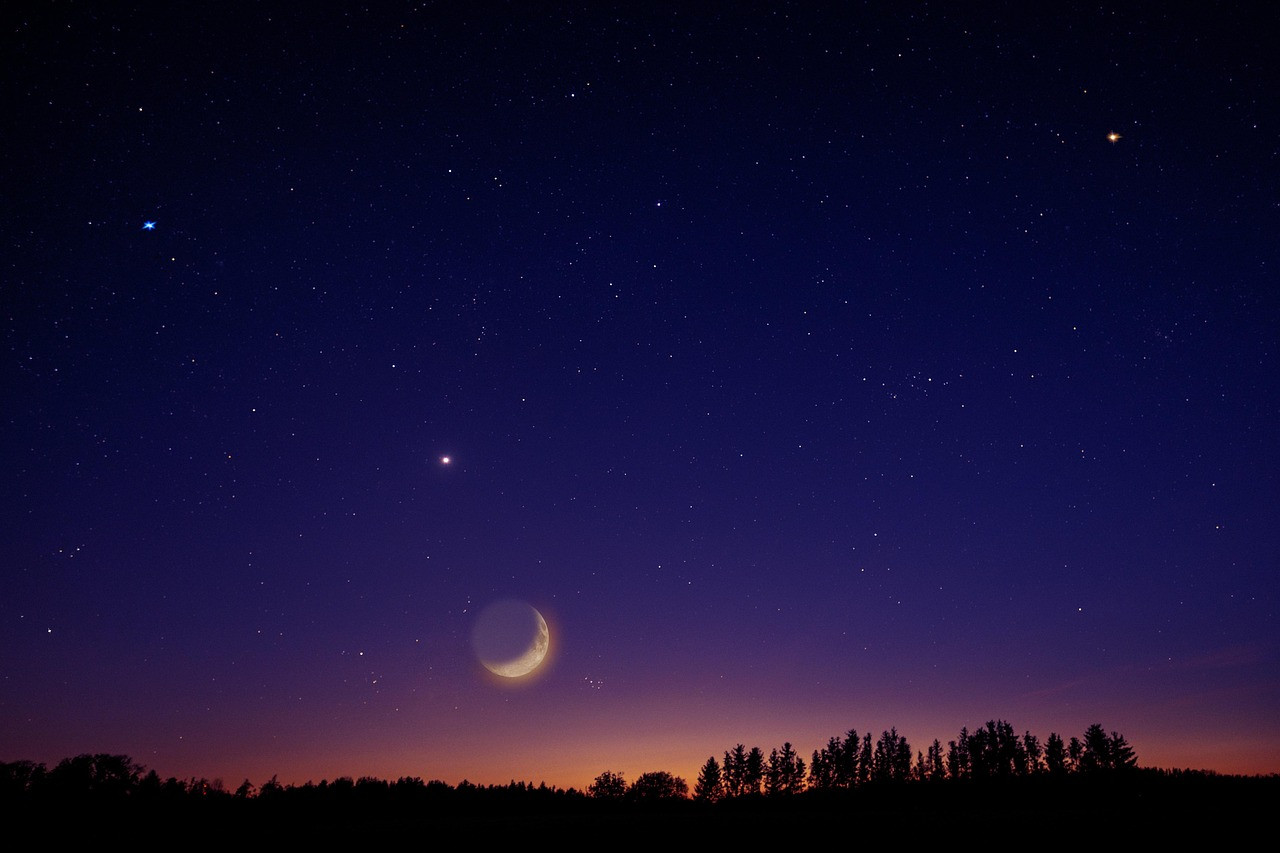
Representative image: Bru-nO / Pixabay
Mercury, Venus, Mars and Jupiter appear together before sunrise from around 14 November 2026; Mars and Jupiter pair up until 17 November.
What Happened
A "planet parade" of four bright planets, Mercury, Venus, Mars and Jupiter, can be seen in the morning sky before sunrise from around Saturday, 14 November 2026, according to astronomy guides. The four planets will be spread across the eastern sky, with Venus and Mercury low near the horizon and Mars and Jupiter higher up. All four are bright enough to see without binoculars or a telescope, although Mercury, sitting low in the dawn glow, will be the hardest to catch. One guide says the line-up stays visible for about two weeks, roughly from 14 to 28 November, and the second half of the month also brings Mercury's best morning showing on 20 November and Uranus at its brightest on 25 November.
Key Facts
- What: four planets, Mercury, Venus, Mars and Jupiter, visible together before sunrise.
- When: from around Saturday, 14 November 2026, for about two weeks, according to one guide.
- Where to look: east to east-southeast, about an hour before sunrise.
- Brightest: Venus, which sits near the bright star Spica at this time.
- Hardest: Mercury, low near the horizon; binoculars can help.
- Bonus: Mars passes about one degree north of Jupiter between 14 and 17 November.
- Mercury reaches greatest western elongation, its farthest point from the Sun in the morning sky, on Friday, 20 November.
- Uranus reaches opposition, its best time to be seen, on Wednesday, 25 November, but it needs binoculars or a telescope.
Why It Matters
Stargazing is one of the simplest, cheapest outdoor habits anyone can pick up, and a morning planet line-up is a good excuse to start. You need no equipment, no app subscription and no travel: just an early alarm, a clear view of the eastern horizon and fifteen minutes before sunrise. For students and young professionals who rarely see the sky at dawn, it is a reason to step outside, put the phone down and notice something that changes day by day.
It helps to set expectations. "Planet parade" is a popular phrase, not an official astronomical term. The planets do not form a neat straight line close together; they are spread across a wide stretch of sky along the path the Sun and planets follow. Some astronomy writers have questioned the hype around such events, because the view is pretty rather than dramatic, and Mercury in particular is easy to miss. The best approach is to look for Venus first, since it is the brightest point of light in the east, and then work outwards.
The pairing of Mars and Jupiter is the most striking part. Between 14 and 17 November, Mars passes about a degree to the north of Jupiter, so the two appear side by side. A pair of ordinary binoculars makes the pair easier to pick out in the brightening sky.
City lights, smog and haze can wash out planets near the horizon. In India's northern cities, where air quality is often poor in November, a rooftop or an open ground with a low eastern horizon, away from street lamps, gives the best chance.
Peepals timeline: The month's morning sky builds in stages. Around 14 November the four planets come into view together before dawn, and Mars and Jupiter draw closest between 14 and 17 November. On the evening of 20 November the Moon passes above Saturn after sunset, and the same day Mercury reaches its greatest western elongation in the morning sky. On 25 November Uranus reaches opposition. The four-planet morning view lasts until about 28 November, according to one guide. Our timeline from the dates the guides give.
| Date (2026) | Sky event |
|---|---|
| 14 November (Saturday) | Four-planet morning line-up begins |
| 14 to 17 November | Mars passes about 1 degree north of Jupiter |
| 20 November (Friday) | Mercury at greatest western elongation; Moon near Saturn in the evening |
| 25 November (Wednesday) | Uranus at opposition |
| About 28 November | Line-up fades, according to one guide |
Impact
Short-term: Early risers have about two weeks to see the four planets before sunrise, with the best chance on clear mornings with a low, open view to the east.
Long-term: Events like this get more people interested in astronomy, from casual sky-watching to telescopes and astronomy clubs, and give schools and colleges an easy, free observing activity.
Who is affected: Students, early-morning runners and walkers, amateur astronomers and photographers, and anyone curious about the night sky.
What to watch next: Mercury's greatest western elongation on 20 November and Uranus at opposition on 25 November.
Key Takeaway
From around 14 November 2026, look east about an hour before sunrise to see Venus, Mercury, Mars and Jupiter together, with Mars and Jupiter side by side until about 17 November.
Questions and Answers
When is the planet parade in November 2026?
From around Saturday, 14 November 2026, Mercury, Venus, Mars and Jupiter are visible together before sunrise. One guide says the view lasts about two weeks, to around 28 November.
Where should I look to see the planet parade?
Face east to east-southeast about an hour before sunrise. Venus and Mercury are low near the horizon, and Mars and Jupiter are higher up.
Can I see the planets without a telescope?
Yes. All four can be seen without any equipment, though Mercury is low and can be hard to spot; binoculars help. Uranus, which is at its best on 25 November, does need binoculars or a telescope.
When are Mars and Jupiter closest together?
Between 14 and 17 November 2026, when Mars passes about one degree north of Jupiter in the morning sky.
Disclaimer: Prepared by the Peepals newsroom from publicly available sources with AI assistance. Information is accurate to the best of our knowledge at the time of publication and may change. Images may be representative. Not professional advice. Report an error via our contact page.
By Rhea Malhotra, Digital Life WriterCovers Digital Life and more for Peepals Yuva. All stories by Rhea Malhotra
Get the day's stories in your inbox
Peepals Weekly: the week decoded, free. One email a week, unsubscribe in one click.
Rhea Malhotra is a pen name of the Peepals Global Editorial Team, which researches, fact-checks and publishes every story. The portrait is an illustration.