
SBI confirms 3,897 customer records found on dark web, starts probe
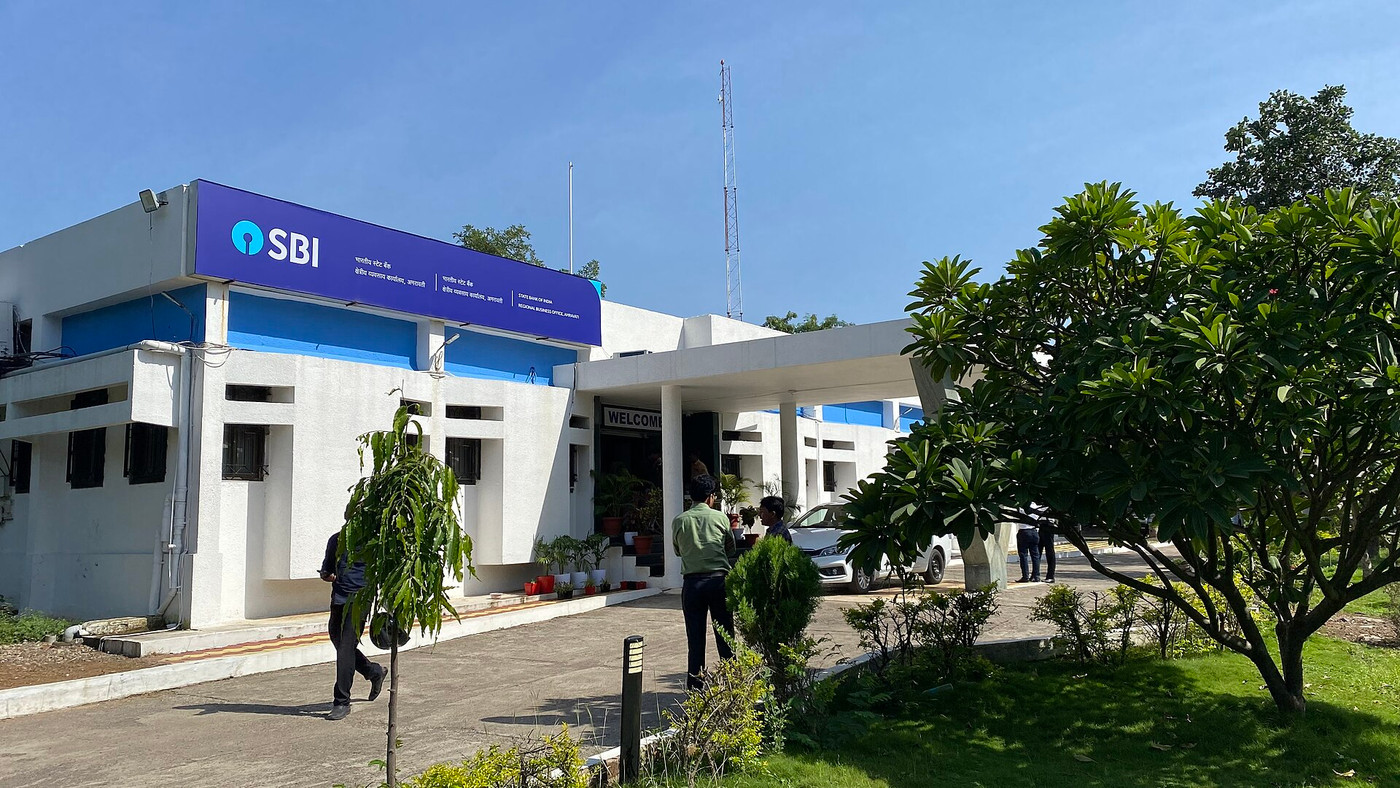
File photo: Ganesh Dhamodkar (CC BY-SA 4.0), via Wikimedia Commons
State Bank of India told stock exchanges on October 21, 2026 that 3,897 customer records with personal details were found among about 3.75 lakh records on the dark web.
What Happened
State Bank of India (SBI) has confirmed that 3,897 records of its customers containing personal details were found in data circulating on the dark web, in a disclosure to the stock exchanges reported on October 21, 2026. The bank said a preliminary review of about 3.75 lakh records turned up these 3,897 with personally identifiable information, and that it has hired an independent cyber-security agency empanelled by CERT-In, the national cyber-security agency, to find the source. Last week the size and authenticity of a hacker's claim about SBI data were unverified; the bank's own disclosure now confirms that real customer data is out there, though on a far smaller scale than the claim suggested.
Key Facts
- SBI received alerts on October 16, 2026 from its threat intelligence provider, the Defence Cyber Agency and CERT-In about suspected exposure of customer data on the dark web.
- Of about 3.75 lakh records reviewed, 3,897 customer records contained personally identifiable information, the bank said.
- The exposed details include registered mobile numbers, names, dates of birth, gender, email and home addresses, branch and customer file (CIF) identifiers, and data linked to loan and lead records, according to reports of the filing.
- Reports of the filing say it does not list passwords, PINs or one-time passwords among the exposed data.
- SBI says the source has not been established and a detailed investigation is needed to confirm the data's authenticity and completeness.
- The bank says its services are running normally, with no material impact on core operations or business continuity.
Why It Matters
For young people who opened their first bank account with SBI, or took an education loan through it, this is not abstract. The kind of data SBI describes, a name, a phone number, a date of birth, an address and the fact that someone enquired about or took a loan, is exactly what fraudsters use to make a call or message sound genuine. A caller who knows your name, your branch and that you applied for a loan is far more convincing than a random scammer.
The first reports last week rested on a hacker's post on a criminal forum, and no one could say whether the data was real. SBI's disclosure changes that. It confirms that thousands of real customer records are exposed, while also suggesting that most of the 3.75 lakh records did not contain personal information. It does not yet say how the data leaked, whether from the bank's own systems, a partner or a third-party service.
The case also raises the question of how customers learn about such leaks. Digital-rights group the Internet Freedom Foundation has pointed out that the bank has informed stock exchanges but has not said whether it has told the affected customers. The group says India's Digital Personal Data Protection Act, 2023 provides for informing people of a breach, but that the law as in force today does not yet compel the bank to do so.
| What SBI disclosed | Detail |
|---|---|
| Alerts received | October 16, 2026 |
| Records reviewed | about 3.75 lakh |
| Records with personal details | 3,897 |
| Investigating agency | CERT-In empanelled independent firm |
| Impact on services | None material, the bank says |
Impact
Short-term: Customers whose details are in the leak may get more phishing calls, SMS and emails that mention real personal details. Standard safety practice applies: never share an OTP, PIN, password or card number with a caller, do not click links in unexpected messages, and report suspected fraud on the national cyber-crime helpline 1930 or the cybercrime.gov.in portal.
Long-term: The investigation's finding on where the data came from will matter for how banks handle data shared with partners and loan agents. The case may also add pressure for clearer rules on telling customers directly when their data leaks.
Who is affected: The 3,897 SBI customers whose records were identified, other SBI account holders who may receive scam attempts, and first-time and student borrowers whose loan enquiries appear in such data.
Key Takeaway
SBI has confirmed that 3,897 customers' personal details are on the dark web, so customers should treat unexpected calls and messages that quote their details with extra caution.
Questions and Answers
Did State Bank of India confirm a data leak?
Yes. In a disclosure to stock exchanges reported on October 21, 2026, SBI said a review of about 3.75 lakh records found on the dark web identified 3,897 customer records with personal information. It said the source is still being investigated.
What SBI customer details were exposed?
According to reports of the filing, the records include mobile numbers, names, dates of birth, gender, email and home addresses, branch and CIF identifiers, and loan or lead data. Passwords, PINs and OTPs are not listed.
Is my SBI account money at risk?
SBI says its services are working normally. The bigger risk is scam calls and messages that use leaked details to seem genuine, so never share OTPs, PINs or passwords with anyone.
Where can I report a suspected SBI-related scam?
Call the national cyber-crime helpline 1930 or file a complaint on cybercrime.gov.in, and inform your bank branch or SBI's official customer care.
Disclaimer: Prepared by the Peepals newsroom from publicly available sources with AI assistance. Information is accurate to the best of our knowledge at the time of publication and may change. Images may be representative. Not professional advice. Report an error via our contact page.
Sourced and fact-checked by the Peepals Global Editorial Team
Esports posture study: standing sharpens gamers early, tires them within an hour
VITEEE 2027 registration opens: apply by March 31, fee now Rs 1,450
Reported, fact-checked and published by the Peepals Global Editorial Team.