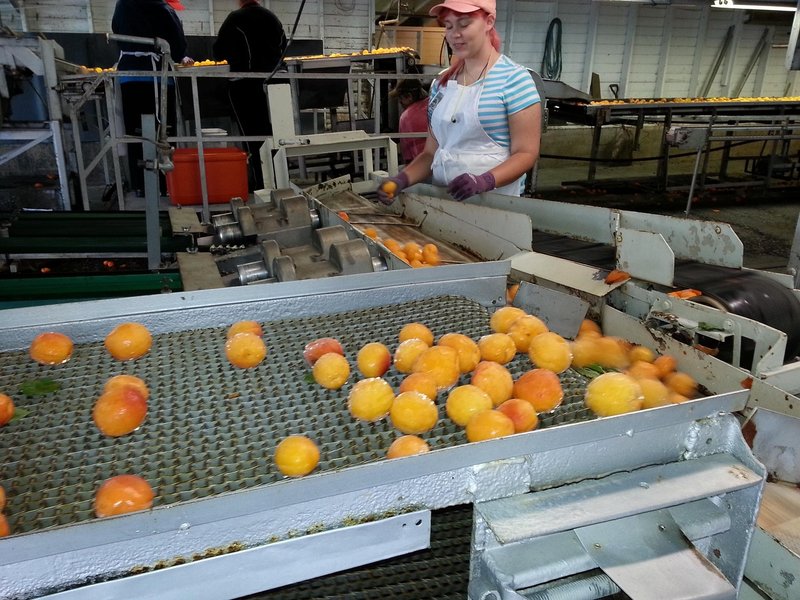

Chhattisgarh to buy paddy at Rs 3,100 from November 15 at 3,100 centres
 By Neha KapoorEconomy Correspondent, Peepals Business
Representative image: Tuan86 / Pixabay
Chhattisgarh adds 360 paddy buying centres, taking the total to 3,100, and will buy kharif paddy at Rs 3,100 a quintal from 15 November 2026.
What Happened
Chhattisgarh will start buying kharif paddy from farmers on Sunday, 15 November 2026, at Rs 3,100 a quintal, through 3,100 procurement centres, after the state government approved 360 new centres. The state Cabinet, chaired by Chief Minister Vishnu Deo Sai, cleared the procurement plan for the 2026-27 kharif marketing year on Tuesday, 27 October, and the state government set out the expanded network of centres in a notice published on 2 November. Farmers can sell up to 21 quintals of paddy an acre.
Key Facts
- Start of buying: 15 November 2026, for the 2026-27 kharif marketing year.
- Price: Rs 3,100 a quintal, as approved by the state Cabinet.
- Limit: up to 21 quintals of paddy an acre per farmer.
- Centres: 360 new procurement centres approved, taking the total from 2,740 to 3,100.
- Farmers: Deputy Chief Minister Arun Sao said paddy would be bought from more than 27.50 lakh farmers.
- Registration: farmers already registered with an AgriStack ID do not need to register again or produce a loan book, according to the Cabinet decision.
- Checks: data from the Digital Crop Survey and biometric authentication will be used so that only genuine farmers sell at the centres.
- Tokens: the state government said farmers can book online tokens for their turn through a mobile app from 10 November.
Why It Matters
Paddy is Chhattisgarh's main kharif crop, and with more than 27.50 lakh farmers expected to sell, the state's buying drive is a major source of cash for its villages. Payments to farmers flow on to rural shops, input dealers and transporters, so the start date and the pace of buying decide when that money reaches the local economy after harvest.
The number of centres matters as much as the price. A procurement centre is a government buying point where farmers bring their grain to be checked, weighed, recorded and paid for. The state government said the 360 new centres are meant to cut the distance farmers have to travel with their produce and to reduce unnecessary waiting at the centres. Fewer kilometres on a tractor-trolley and shorter queues lower a small farmer's selling cost.
The limit of 21 quintals an acre sets the maximum quantity each farmer can sell to the state. It is linked to the land on record, which is one reason the state is relying on AgriStack, the national digital registry of farmers and their land, and on the Digital Crop Survey, which records what is actually sown on each plot. Biometric checks, such as a fingerprint, are meant to confirm that the person selling is the registered farmer. Together these are designed to stop grain from outside the state, or from traders, being passed off as a farmer's crop at the support price.
The online token system is meant to spread arrivals across the season. A token gives a farmer a date to bring paddy to a centre, so that centres are not flooded on the opening days and farmers do not wait in line without knowing when their grain will be taken.
Peepals calculation: The 360 new centres add about 13% to the network (360 ÷ 2,740 = 0.131). At Rs 3,100 a quintal and a cap of 21 quintals an acre, the most a farmer can receive for one acre's paddy is Rs 65,100 (21 × 3,100). If the 27.50 lakh farmers are spread evenly, each of the 3,100 centres would serve about 887 farmers (27,50,000 ÷ 3,100), against about 1,004 with the old network of 2,740 (27,50,000 ÷ 2,740). Our calculation from the reported figures.
| Detail | Information |
|---|---|
| Buying starts | 15 November 2026 |
| Price | Rs 3,100 a quintal |
| Limit | 21 quintals an acre |
| Centres | 3,100 (2,740 earlier, 360 new) |
| Farmers expected | More than 27.50 lakh |
Impact
Short-term: Farmers will be watching for token bookings from 10 November and the opening of centres on 15 November. The new centres will need weighing, storage and staff ready before buying begins, and rural traders can expect payments to start flowing in the second half of November.
Long-term: A denser network of centres and digital checks linked to AgriStack could make procurement faster and harder to misuse, and could become a model for other paddy-buying states. The cost of buying at Rs 3,100 a quintal remains a large commitment for the state's finances.
Who is affected: More than 27.50 lakh paddy farmers in Chhattisgarh, staff at procurement centres, rice millers, transporters, rural traders and input dealers, and the state's food and cooperative departments.
What to watch next: The opening of online token booking through the mobile app on 10 November and the start of paddy buying at the 3,100 centres on 15 November 2026.
Key Takeaway
Chhattisgarh will buy kharif paddy at Rs 3,100 a quintal from 15 November 2026, up to 21 quintals an acre, through 3,100 centres after adding 360 new ones.
Questions and Answers
When does paddy procurement start in Chhattisgarh for 2026-27?
The state government will start buying kharif paddy on 15 November 2026, under a plan approved by the state Cabinet on 27 October.
What price will Chhattisgarh pay for paddy this season?
The Cabinet approved Rs 3,100 a quintal, with each farmer allowed to sell up to 21 quintals an acre.
How many paddy procurement centres will Chhattisgarh have?
There will be 3,100 centres, after the state approved 360 new ones on top of the earlier 2,740, to reduce travel distances and waiting for farmers.
Do farmers need to register again to sell paddy?
According to the Cabinet decision, farmers already registered with an AgriStack ID do not need fresh registration or a loan book. Sales will be checked with Digital Crop Survey data and biometric authentication, and the state says tokens can be booked on a mobile app from 10 November.
Disclaimer: Prepared by the Peepals newsroom from publicly available sources with AI assistance. Information is accurate to the best of our knowledge at the time of publication and may change. Images may be representative. Not professional advice. Report an error via our contact page.
By Neha Kapoor, Economy CorrespondentCovers Economy and more for Peepals Business. All stories by Neha Kapoor
CDSL Q2 profit rises 24% as IPO rush adds 75 lakh accounts
Rhodium: India's $300 billion AI data centre rush outpaces local demand
Get the day's stories in your inbox
Peepals Weekly: the week decoded, free. One email a week, unsubscribe in one click.
Neha Kapoor is a pen name of the Peepals Global Editorial Team, which researches, fact-checks and publishes every story. The portrait is an illustration.