
Shamonda virus found on UK dairy farms in Shropshire and Powys
 By Arjun MehtaSenior Business Editor, Peepals Business
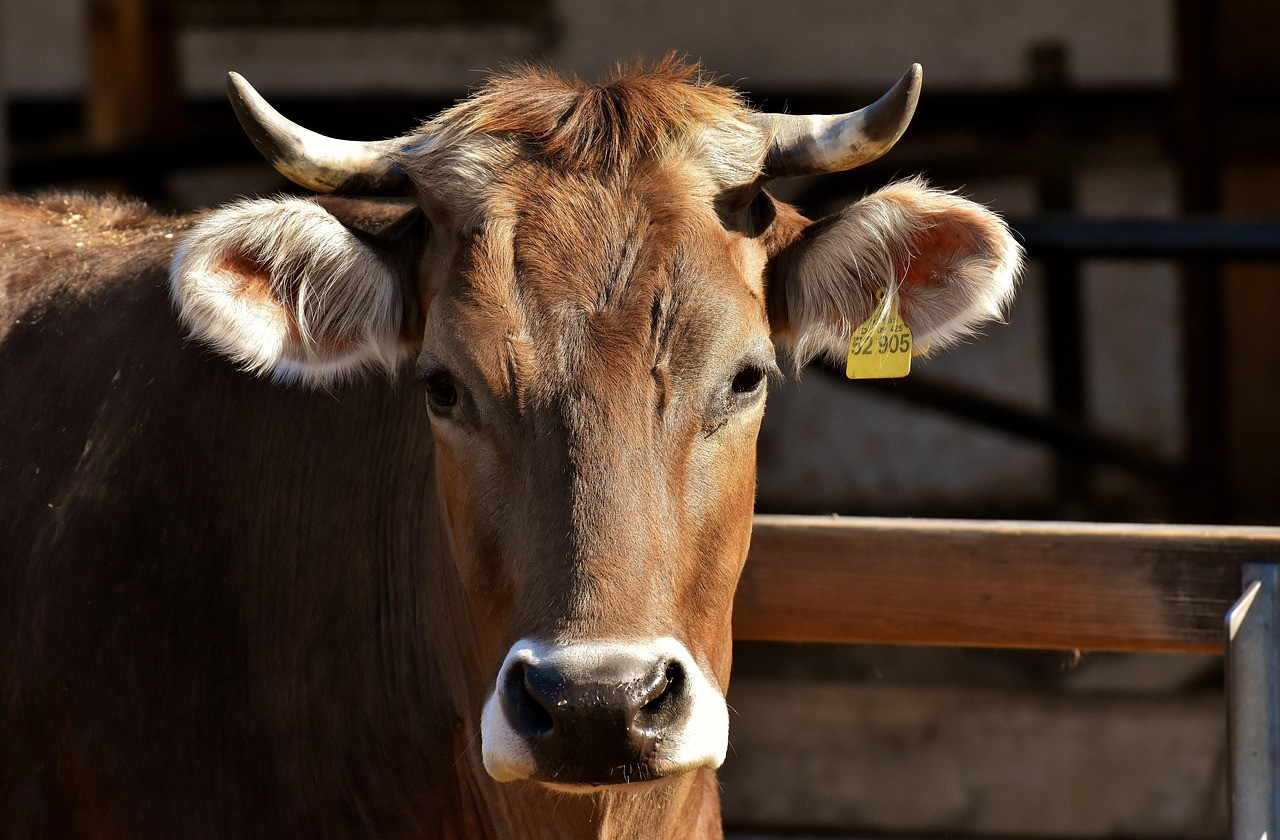
Representative image: Alexas_Fotos / Pixabay
Shamonda virus, spread by midges, was found in cattle on two dairy farms in Shropshire and Powys, the UK said on 2 November 2026; no movement curbs are planned.
What Happened
Shamonda virus, a cattle disease carried by tiny biting midges, has been found in livestock in Great Britain for the first time. The Animal and Plant Health Agency (APHA) said on Monday, 2 November 2026, that the virus was detected in October in cattle on two dairy farms, one in Powys in Wales and one in Shropshire in England, after samples were tested at its Weybridge laboratories. The government said the disease is not notifiable or reportable, that there is no evidence extra control measures are needed, and that the risk to people is very low. Farmers and vets have been asked to watch their herds and report unusual illness for testing.
Key Facts
- Where: two dairy farms, one in Powys (Wales) and one in Shropshire (England).
- When: detected in October 2026; announced by the government on 2 November 2026.
- Testing: confirmed at APHA's laboratories in Weybridge.
- Status: not a notifiable or reportable disease, so no movement or trade restrictions are applied.
- Spread: carried by Culicoides biting midges; related to Schmallenberg virus.
- Treatment: no specific treatment and no licensed vaccine; care is supportive.
- Food safety: the Food Standards Agency has said there is no current evidence of a food safety risk.
- Earlier finds: Jersey in the Channel Islands, then County Cork in Ireland.
Why It Matters
For dairy farmers, a new cattle virus is first of all a question of milk and money. In the outbreaks reported on Jersey earlier this year, affected herds showed reduced milk yield and diarrhoea, and farm reports describe illness lasting around two to three weeks. APHA has not said what signs, if any, were seen on the two British farms, but a drop in milk output across a herd for several weeks hits a farm's income directly, while vets' bills and testing add to costs.
The virus belongs to the same family group as Schmallenberg virus, which farm groups across northern Europe already know well, and that link is one reason they are paying close attention. In the Channel Islands, the virus has also been detected in several aborted calf foetuses since the first detection, according to farming bodies, although scientists say the effect of the newly emerging Shamonda strains on pregnancy is not yet fully understood.
The decision not to make the disease notifiable is important for trade. A notifiable disease triggers official restrictions: animals may be barred from moving, and export markets can close. Because Shamonda virus is not on that list, British farmers can keep selling milk, meat and live animals as normal. Ireland took the same approach after its first cases in County Cork, applying no trade limits.
Because the virus is spread by midges rather than from animal to animal, the season matters. Midge activity falls as temperatures drop in late autumn and winter, which may slow spread in the coming months. The bigger test may come next spring and summer, when midges return and when calves conceived during this period are born.
Peepals timeline: Shamonda virus was first detected this year in pedigree Jersey dairy herds on the island of Jersey, where testing began over the summer of 2026 and official confirmation followed in September. In early October, a private laboratory found the virus in samples from two farms in County Cork, Ireland. Later in October, samples from dairy herds in Powys and Shropshire tested positive at Weybridge, and the government made the finding public on 2 November. That is three new areas in roughly three months, a pattern consistent with a midge-borne virus moving north and east across the Irish Sea and the Channel.
| Place | First detection reported | Official response |
|---|---|---|
| Jersey | Summer to September 2026 | Testing and monitoring |
| County Cork, Ireland | Early October 2026 | No trade limits |
| Powys and Shropshire, Great Britain | October 2026 (announced 2 November) | Not notifiable; farmers asked to stay alert |
Impact
Short-term: No restrictions on farm business, but more testing as vets look for the virus in herds with unexplained drops in milk or bouts of fever and diarrhoea.
Long-term: Researchers will watch for any effect on pregnancies and calves in the coming season. If the virus becomes established, farm groups may push for work on a vaccine, since none is licensed today.
Who is affected: Dairy and beef farmers in Wales and England, farm vets, milk processors and livestock traders. Consumers are not affected, according to the Food Standards Agency. For Indian readers, the case is a reminder of how insect-borne cattle diseases can cross borders quickly, a concern for any large dairy sector, including India's.
Key Takeaway
Shamonda virus has reached British dairy herds for the first time, but because it is not a notifiable disease, farms face no trade curbs and are simply being asked to watch and test.
Questions and Answers
What is Shamonda virus?
Shamonda virus is a cattle virus spread by Culicoides biting midges. It is related to Schmallenberg virus. There is no specific treatment or licensed vaccine for it.
Where has Shamonda virus been found in the UK?
The UK government said on 2 November 2026 that it was found in October in cattle on two dairy farms, one in Powys in Wales and one in Shropshire in England.
Is Shamonda virus dangerous to people or food?
The Animal and Plant Health Agency says the risk to people is very low, and the Food Standards Agency has said there is no current evidence of a food safety risk.
Will there be restrictions on farms with Shamonda virus?
No. The disease is not notifiable or reportable, so no movement or trade restrictions apply. Farmers are asked to report unusual illness so herds can be tested.
Disclaimer: Prepared by the Peepals newsroom from publicly available sources with AI assistance. Information is accurate to the best of our knowledge at the time of publication and may change. Images may be representative. Not professional advice. Report an error via our contact page.
By Arjun Mehta, Senior Business EditorCovers Start-ups & Opportunities and more for Peepals Business. All stories by Arjun Mehta
RBA rate hike: Australia lifts cash rate to 4.85% in split 6-3 vote
E2E Networks Blaze: pay-per-token AI inference service launched in India
Get the day's stories in your inbox
Peepals Weekly: the week decoded, free. One email a week, unsubscribe in one click.
Arjun Mehta is a pen name of the Peepals Global Editorial Team, which researches, fact-checks and publishes every story. The portrait is an illustration.