
China factory PMI falls to 49.3 in October, back in contraction
 By Neha KapoorEconomy Correspondent, Peepals Business
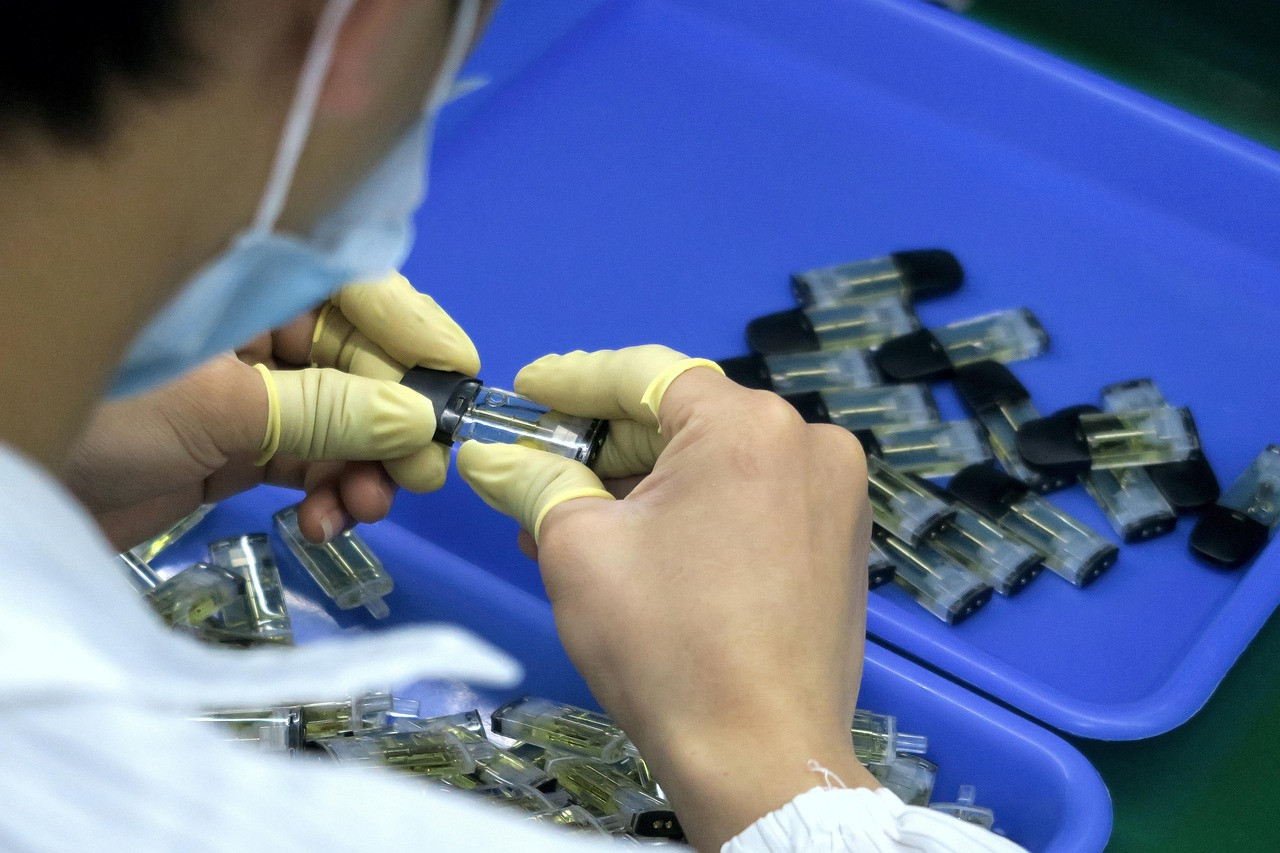
Representative image: axevaper / Pixabay
China's official manufacturing PMI fell to 49.3 in October 2026 from 50.1, data showed on October 31, while high-tech manufacturing stayed in expansion.
What Happened
China's official manufacturing Purchasing Managers' Index (PMI) fell to 49.3 in October 2026 from 50.1 in September, slipping back into contraction, according to data released on Saturday, October 31, 2026 by the National Bureau of Statistics (NBS) and the China Federation of Logistics and Purchasing. A reading below 50 means activity is shrinking. The figure was below the 50.0 median forecast in a Reuters poll, and reports described it as the fastest contraction in three months. The non-manufacturing PMI, covering services and construction, also fell below 50, to 49.7 from 50.2.
Key Facts
- Official manufacturing PMI: 49.3 in October 2026, down from 50.1 in September.
- Forecast: 50.0 median in a Reuters poll; one other forecast cited was 49.9.
- Non-manufacturing PMI: 49.7, down from 50.2.
- High-tech manufacturing PMI stayed in expansion at 51.3; equipment manufacturing was at 50.6.
- Smaller firms were weaker: medium-sized enterprises at 48.4, small enterprises at 47.5.
- NBS statistician Huo Lihui pointed to demand pulled forward before the National Day holiday in early October, and to a "complex" international environment.
Why It Matters
The PMI is a monthly survey of purchasing managers at factories. It asks whether output, new orders, employment and other measures are rising or falling compared with the previous month. Because it comes out quickly, at the very end of the month, it is one of the first signs of how the world's second-largest economy is doing. A fall from just above 50 to 49.3 means more factories reported shrinking activity than growing activity in October.
The details matter as much as the headline. High-tech manufacturing kept growing, at 51.3. But medium and small firms were in clear contraction. That split suggests the weakness is concentrated in more traditional and smaller manufacturers, which are more exposed to weak demand at home and abroad. The fall in the non-manufacturing index below 50 shows that services and construction also slowed.
The official explanation, that demand was brought forward ahead of the National Day holiday, means some of the October drop may be temporary. Economists will look at November's figures to see whether activity recovers.
For India and other economies, China's factory data matters in several ways. Weaker Chinese demand can soften global prices for metals and other raw materials, which affects Indian producers and buyers. Slower Chinese factory activity can also mean Chinese firms push harder to sell abroad, increasing competition for Indian manufacturers in third markets. At the same time, global companies that want to spread their production beyond China watch these numbers when deciding where to invest.
| Measure | October 2026 | September 2026 |
|---|---|---|
| Manufacturing PMI | 49.3 | 50.1 |
| Non-manufacturing PMI | 49.7 | 50.2 |
| High-tech manufacturing PMI | 51.3 | not stated |
| Medium-sized firms | 48.4 | not stated |
| Small firms | 47.5 | not stated |
Impact
Short-term: Financial markets in Asia will react to the data when they open on Monday, and commodity prices may come under pressure if traders expect weaker Chinese demand. Investors will also watch for any new stimulus measures from Beijing.
Long-term: If contraction continues, China may step up support for its economy, which could change global demand for raw materials and the flow of Chinese exports. A lasting gap between growing high-tech industry and shrinking smaller firms would point to an uneven recovery.
Who is affected: Chinese manufacturers and workers, especially in smaller firms; exporters of raw materials to China; Indian manufacturers competing with Chinese goods abroad; and investors in commodity and Asian markets.
This report describes economic data and is not investment advice.
Key Takeaway
China's official manufacturing PMI fell to 49.3 in October 2026 from 50.1, signalling contraction, while high-tech manufacturing stayed in expansion at 51.3 and smaller firms weakened, according to data released on October 31, 2026.
Questions and Answers
What was China's manufacturing PMI in October 2026?
China's official manufacturing PMI was 49.3 in October 2026, down from 50.1 in September. A reading below 50 indicates contraction.
What does a PMI below 50 mean?
The Purchasing Managers' Index is based on surveys of companies. A reading below 50 means more businesses reported falling activity than rising activity compared with the previous month.
Why did China's factory activity shrink in October 2026?
The National Bureau of Statistics said some demand had been pulled forward before the National Day holiday and pointed to a complex international environment.
Which parts of China's manufacturing were still growing?
The high-tech manufacturing PMI stayed in expansion at 51.3, and equipment manufacturing was at 50.6, while medium and small enterprises were in contraction.
Disclaimer: Prepared by the Peepals newsroom from publicly available sources with AI assistance. Information is accurate to the best of our knowledge at the time of publication and may change. Images may be representative. Not professional advice. Report an error via our contact page.
By Neha Kapoor, Economy CorrespondentCovers Economy and more for Peepals Business. All stories by Neha Kapoor
Get the day's stories in your inbox
Peepals Weekly: the week decoded, free. One email a week, unsubscribe in one click.
Neha Kapoor is a pen name of the Peepals Global Editorial Team, which researches, fact-checks and publishes every story. The portrait is an illustration.