
China PPI jumps 5.7% in October, fastest since 2022; CPI slows to 0.7%
 By Neha KapoorEconomy Correspondent, Peepals Business
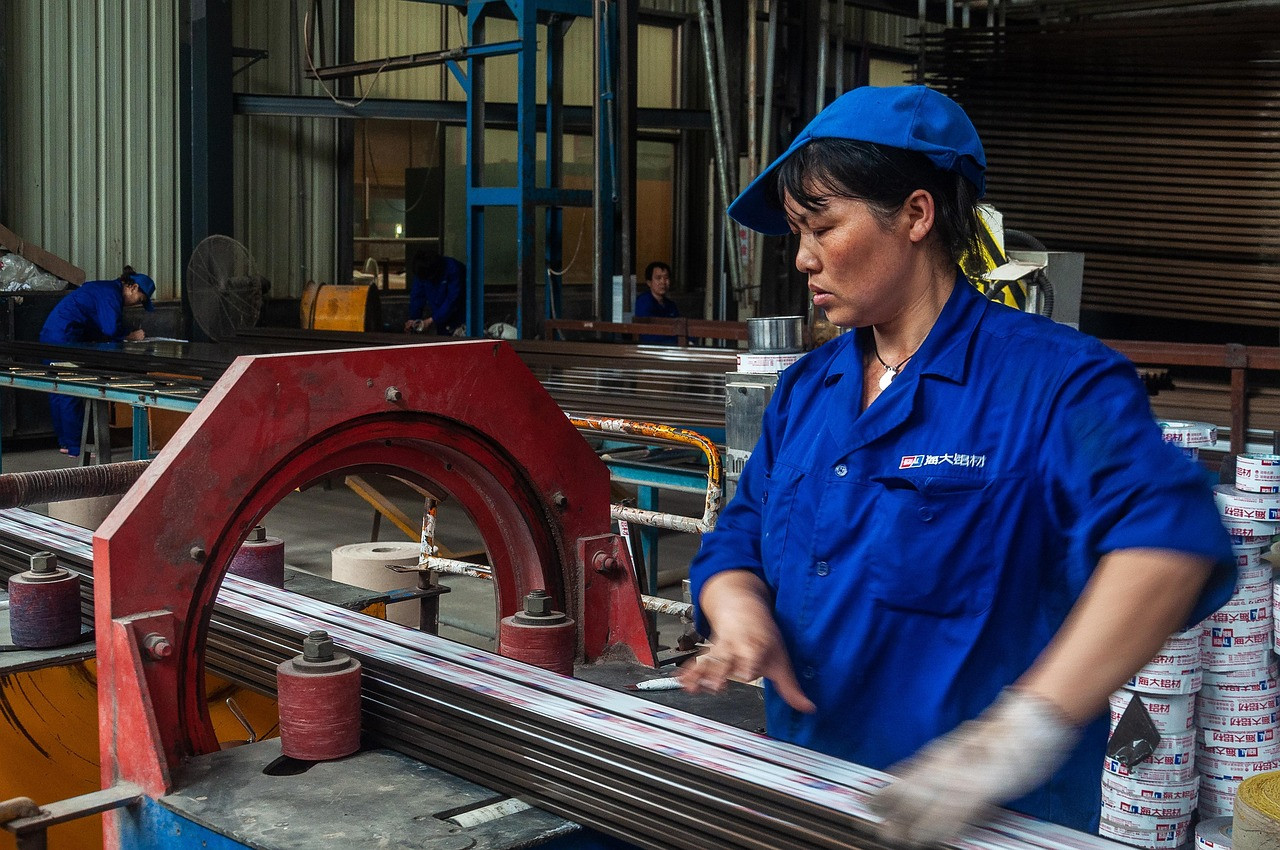
Representative image: joydo / Pixabay
China's factory-gate prices rose 5.7% in October 2026, the fastest since June 2022, while consumer prices rose 0.7%, data released on 9 November showed.
What Happened
China's factory-gate prices rose 5.7% in October 2026 from a year earlier, the fastest pace since June 2022, while consumer prices rose only 0.7%, the National Bureau of Statistics (NBS) said on Monday, 9 November 2026. The producer price index (PPI) beat the 5.3% that economists had expected, and the consumer price index (CPI) came in below the 0.8% forecast. Higher energy costs drove most of the rise in factory prices.
Key Facts
- China's PPI, which tracks the prices factories charge for their goods, rose 5.7% year on year in October 2026, up from 5.0% in September.
- The October PPI was the highest reading since June 2022 and beat the 5.3% median forecast of economists surveyed by Bloomberg.
- CPI, which tracks prices paid by households, rose 0.7% year on year, down from 0.9% in September and below the 0.8% forecast.
- Core CPI, which leaves out volatile food and energy prices, slowed to 0.8% from 1.0%.
- Food prices fell 2.9% from a year earlier, which helped keep consumer inflation low.
- Prices in coal mining rose 36.6% and in oil and gas extraction 35.0% year on year; energy-related industries made up more than 80% of the month's PPI gain, according to reports.
- NBS statistician Dong Lijuan linked the rise to higher international energy prices and stronger winter demand for coal and natural gas.
Why It Matters
For several years, China's factory prices were falling, a sign of weak demand at home and excess production capacity. The October figures show the opposite problem: costs are rising fast at the factory level, driven mostly by energy. But consumers are not seeing the same increase, because food prices are falling and household demand remains weak. That leaves Chinese producers squeezed between higher input costs and customers who are unwilling to pay more.
This split matters well beyond China. China is the world's largest exporter of manufactured goods, from electronics and machinery to chemicals and components. When its factory-gate prices rise, buyers abroad can eventually face higher import costs, especially for goods that use a lot of energy to make. Indian companies that buy intermediate goods from China, such as electronic parts, chemicals and machinery, are among those that will watch whether Chinese exporters start passing on their higher costs.
At the same time, the weak consumer price figure points to soft spending by Chinese households. Slow domestic demand usually pushes Chinese companies to sell more abroad, which can keep export prices competitive even as costs rise. How these two forces balance out will shape global goods prices in the months ahead.
For policymakers in Beijing, the data present a difficult mix. Low consumer inflation would normally leave room for more support to the economy, but rising producer prices tied to energy limit how much they can rely on cheap money without adding to cost pressures.
Peepals calculation: The gap between producer and consumer inflation widened to 5.0 percentage points in October (5.7 − 0.7), from 4.1 points in September (5.0 − 0.9). The PPI rose 0.7 points in one month, while core CPI fell 0.2 points (1.0 to 0.8). Our calculation from the reported figures.
| Measure | September 2026 | October 2026 | Forecast for October |
|---|---|---|---|
| Producer price index (PPI), year on year | 5.0% | 5.7% | 5.3% |
| Consumer price index (CPI), year on year | 0.9% | 0.7% | 0.8% |
| Core CPI, year on year | 1.0% | 0.8% | Not given |
Impact
Short-term: Markets will read the figures as a sign that energy costs are feeding into Chinese industry while consumer demand stays weak. Companies that rely on Chinese supplies may face pressure from suppliers to raise prices.
Long-term: If energy prices stay high, rising factory costs could gradually lift the prices of Chinese exports, affecting importers worldwide. Weak consumer prices, however, suggest that domestic demand in China still needs support.
Who is affected: Chinese manufacturers and their workers, global importers of Chinese goods including Indian businesses, energy producers, and policymakers in China watching both inflation and growth.
What to watch next: China's October trade figures are due on Tuesday, 10 November 2026, and will show whether exports kept their pace.
Key Takeaway
China's factory-gate prices rose 5.7% in October 2026, the fastest since June 2022, as energy costs surged, while consumer prices rose just 0.7%, widening the gap between producer and household inflation to 5 percentage points.
Questions and Answers
What was China's producer price inflation in October 2026?
China's producer price index rose 5.7% year on year in October 2026, up from 5.0% in September and the fastest pace since June 2022, according to the National Bureau of Statistics.
What was China's consumer inflation in October 2026?
Consumer prices rose 0.7% year on year, down from 0.9% in September and below the 0.8% forecast. Core inflation slowed to 0.8%.
Why are China's factory prices rising so fast?
Mainly because of energy. Coal mining prices rose 36.6% and oil and gas extraction prices 35.0% from a year earlier, and the statistics bureau pointed to higher international energy prices and winter demand for coal and gas.
Why does China's factory inflation matter for India?
China supplies many goods and components used by Indian businesses. If Chinese producers pass their higher costs on to export prices, Indian importers could eventually pay more for some inputs.
Disclaimer: Prepared by the Peepals newsroom from publicly available sources with AI assistance. Information is accurate to the best of our knowledge at the time of publication and may change. Images may be representative. Not professional advice. Report an error via our contact page.
By Neha Kapoor, Economy CorrespondentCovers Economy and more for Peepals Business. All stories by Neha Kapoor
ValueQuest Tristar Fund tops Rs 2,100 crore for advanced manufacturing
MakeMyTrip India IPO: SEBI clears MMT India's offer for sale
Get the day's stories in your inbox
Peepals Weekly: the week decoded, free. One email a week, unsubscribe in one click.
Neha Kapoor is a pen name of the Peepals Global Editorial Team, which researches, fact-checks and publishes every story. The portrait is an illustration.