
Japan spent record $50 billion in a single day to prop up yen
 By Neha KapoorEconomy Correspondent, Peepals Business
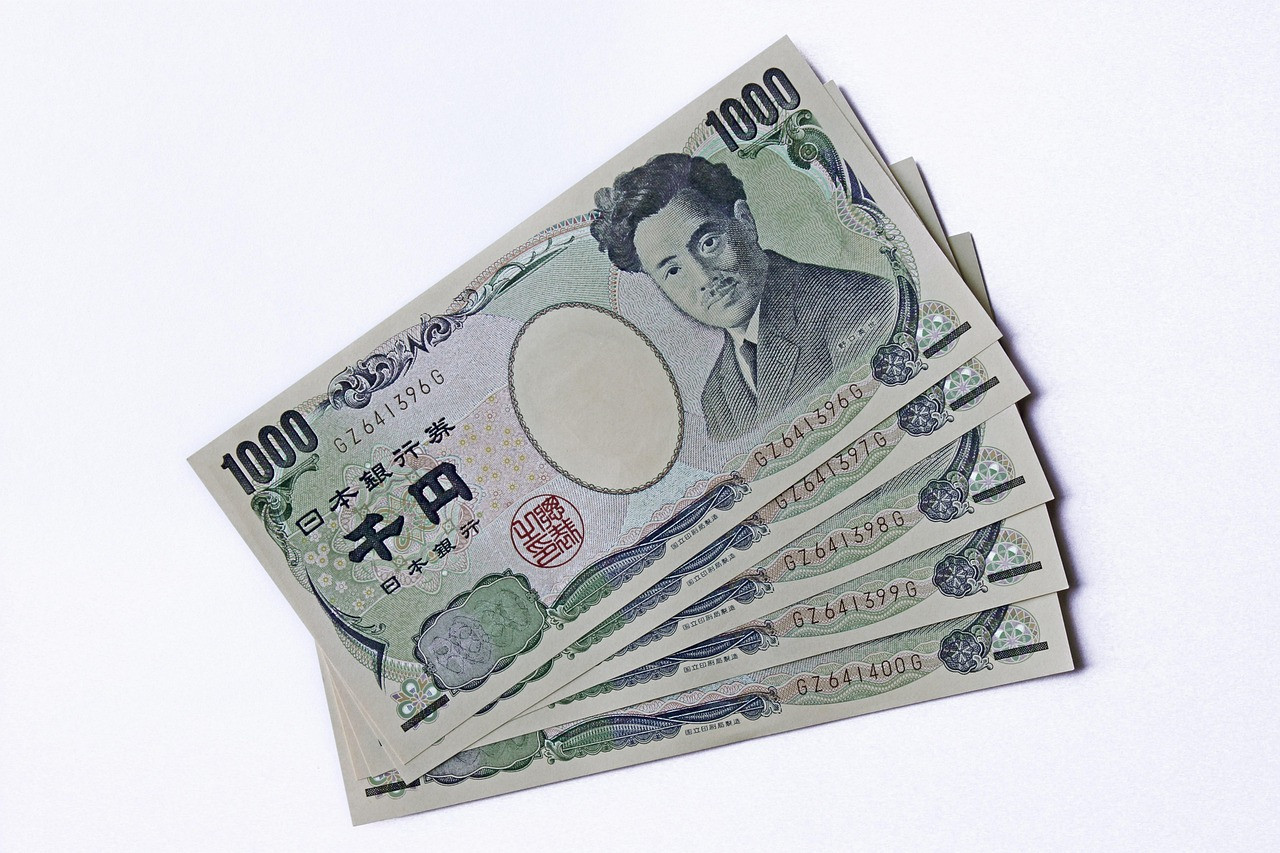
Representative image: Jasmin777 / Pixabay
Japan bought a record 7.98 trillion yen (about $50 billion) on 30 July 2026, Ministry of Finance data released on 9 November 2026 shows.
What Happened
Japan spent a record 7.98 trillion yen, about 50 billion US dollars, buying its own currency on a single day, Thursday, 30 July 2026, to stop the yen's slide, according to Ministry of Finance data released on Monday, 9 November 2026. It is the largest one-day yen-buying intervention in the ministry's records, which go back to 1991, and beats the previous high of 6.28 trillion yen set on 30 April 2026. The ministry had earlier given only the total for the operation; the day-by-day breakdown came with its quarterly release.
Key Facts
- Record day: 7.98 trillion yen (about $50 billion) spent on 30 July 2026 to buy yen and sell dollars.
- Previous one-day record: 6.28 trillion yen on 30 April 2026, according to Reuters' reporting of the data.
- Whole operation: 15.4 trillion yen over three days, 30 July, 31 July and 3 August 2026.
- The 31 July session was a joint operation with the United States, confirmed by Japan's Finance Minister Satsuki Katayama and US Treasury Secretary Scott Bessent, according to reports.
- The yen had fallen to near 164 per US dollar, its weakest level in about 40 years, when Japan stepped into the market on 30 July.
- The ministry's records of such interventions start in 1991.
Why It Matters
When a currency falls fast, imports become more expensive, and for a country such as Japan, which buys most of its energy and much of its food from abroad, that feeds straight into prices at home. A government can push back by selling some of its foreign currency reserves, usually US dollars, and buying its own currency, which increases demand for it. That is what a "yen-buying intervention" means. The new data shows how heavily Japan had to lean on its reserves this summer: half of a three-day operation was spent on one day.
The joint action with the United States on 31 July is also unusual. Major economies rarely act together in currency markets, and when they do, traders read it as a signal that the authorities will not tolerate further sharp moves. Analysts now use the disclosed figures to judge how much firepower Japan is willing to use, which in turn affects how far traders are prepared to push the yen.
For India, the story matters in two ways. First, the yen's weakness and Japan's efforts to defend it affect the cost of Japanese machinery, components and loans that Indian companies use, and the value of Japanese investment flowing into India. Second, the Reserve Bank of India faces a similar choice whenever the rupee falls sharply: how much of its reserves to spend in the market. Japan's numbers show the scale of firepower a large economy may need when it decides to act.
Peepals calculation: The 7.98 trillion yen spent on 30 July was about 52% of the 15.4 trillion yen operation (7.98 ÷ 15.4 ≈ 0.52), leaving about 7.42 trillion yen for the other two days (15.4 − 7.98 = 7.42). The new record is about 27% larger than the previous one-day high of 6.28 trillion yen (7.98 ÷ 6.28 ≈ 1.27). Our calculation from the reported figures.
| Date | Yen spent | Note |
|---|---|---|
| 30 April 2026 | 6.28 trillion | Previous one-day record |
| 30 July 2026 | 7.98 trillion | New one-day record |
| 30 July to 3 August 2026 | 15.4 trillion | Three-day total, including the joint 31 July session |
Impact
Short-term: The disclosure gives currency traders a clearer picture of how much Japan has been willing to spend, and some banks have updated their forecasts for the dollar-yen rate after the release. It may make traders more cautious about pushing the yen back towards its July lows.
Long-term: Repeated record interventions draw down Japan's dollar reserves and raise questions about how long such defence can last without changes in interest-rate policy. The episode also adds to the record of countries acting together in currency markets.
Who is affected: Japanese households and importers, Japanese exporters, currency traders, Indian companies that buy Japanese goods or borrow in yen, and central banks, including the Reserve Bank of India, that watch how other countries manage currency pressure.
Key Takeaway
Japan's Ministry of Finance data shows it spent a record 7.98 trillion yen, about $50 billion, on a single day in July 2026 to prop up the yen, more than half of a three-day, 15.4 trillion yen operation.
Questions and Answers
How much did Japan spend to support the yen in a single day?
According to Ministry of Finance data released on 9 November 2026, Japan spent 7.98 trillion yen, about $50 billion, on 30 July 2026. It is the largest one-day yen-buying intervention in records going back to 1991.
What is a yen-buying intervention?
It is when Japan's government sells some of its foreign currency reserves, mainly US dollars, and buys yen in the market to raise the yen's value. It is used when the currency falls too fast.
Why did Japan step in during July 2026?
The yen had fallen to near 164 per US dollar, its weakest in about 40 years. Japan intervened on 30 July, 31 July and 3 August, spending 15.4 trillion yen in total, with the 31 July session carried out jointly with the United States.
Why does this matter to India?
A weak yen changes the cost of Japanese machinery, parts and yen loans used by Indian firms, and Japan's experience shows the scale of reserves a large economy may spend to defend its currency, a choice the Reserve Bank of India also faces when the rupee falls sharply.
Disclaimer: Prepared by the Peepals newsroom from publicly available sources with AI assistance. Information is accurate to the best of our knowledge at the time of publication and may change. Images may be representative. Not professional advice. Report an error via our contact page.
By Neha Kapoor, Economy CorrespondentCovers Economy and more for Peepals Business. All stories by Neha Kapoor
Gokul election: Rajesh Patil wins dairy chair as nominees' votes decide
PhysicsWallah staff falls as AI takes content work; profit doubles
Get the day's stories in your inbox
Peepals Weekly: the week decoded, free. One email a week, unsubscribe in one click.
Neha Kapoor is a pen name of the Peepals Global Editorial Team, which researches, fact-checks and publishes every story. The portrait is an illustration.