
Malaysia weighs palm oil export tax waiver as stocks hit 3.5 million tonnes
 By Arjun MehtaSenior Business Editor, Peepals Business
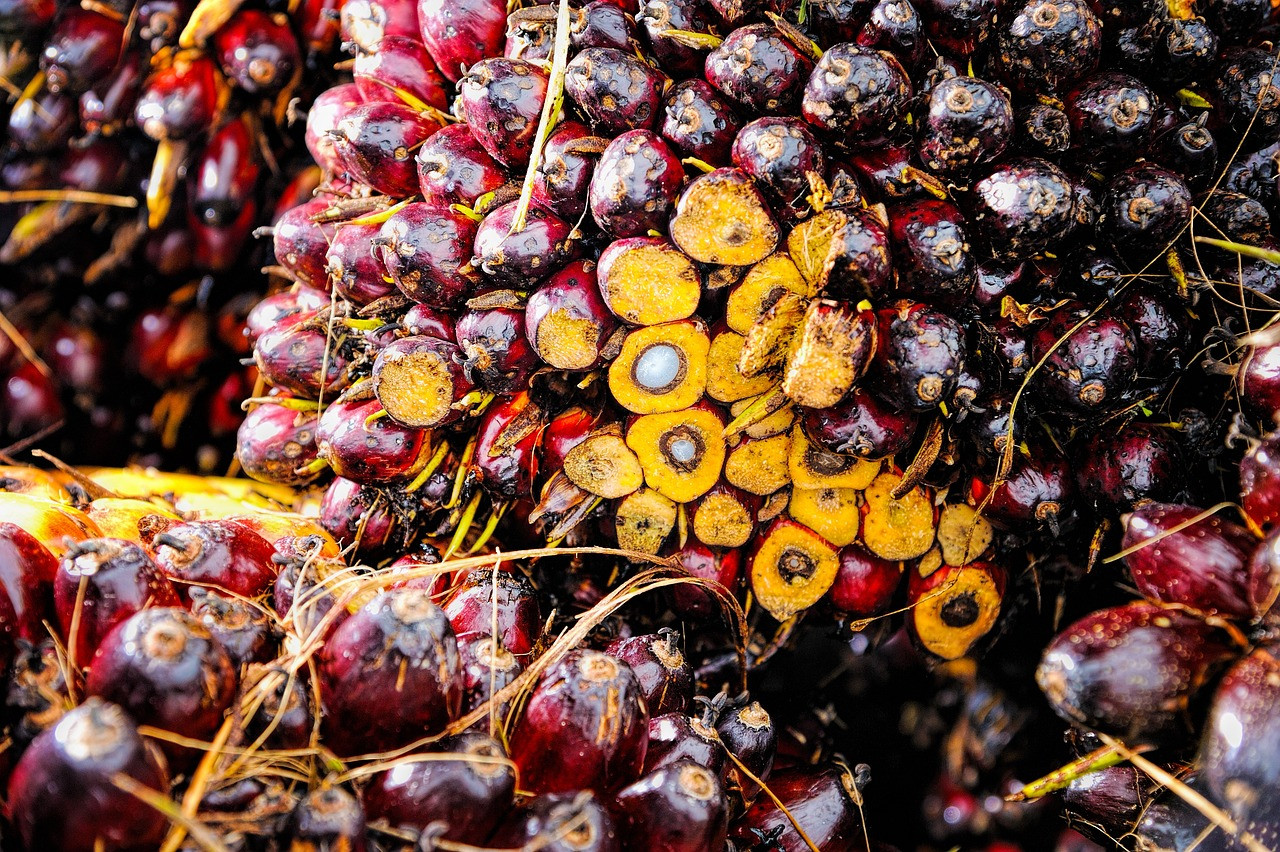
Representative image: tristantan / Pixabay
Malaysia is considering waiving its 10% crude palm oil export tax to clear record stocks of about 3.5 million tonnes, a move that could make palm oil cheaper for India.
What Happened
Malaysia is considering a temporary waiver of its 10 per cent export tax on crude palm oil to speed up shipments and cut record inventories, according to reports in Malaysian media up to October 27, 2026. Palm oil stocks in the country rose to about 3.5 million tonnes in September, a record, while palm oil from neighbouring Indonesia has been selling at a large discount. Officials of the Ministry of Plantation and Commodities were reported to have met industry executives on October 20 to discuss the idea, but no decision had been announced by October 27, and Malaysia's Budget 2027 did not include a waiver.
Key Facts
- Current export tax: 10% on crude palm oil, about RM450 a tonne at current prices, according to reports.
- Stocks: Malaysian palm oil inventories reached about 3.5 million tonnes in September, a record high.
- Price gap: Indonesian palm oil has been trading about RM700 to RM900 a tonne below Malaysian oil.
- Meeting: ministry officials were to meet industry leaders on October 20 to discuss lifting the levy for a period.
- Budget: Malaysia's Budget 2027 offered support for smallholders, including replanting help, but no export tax waiver; palm oil futures slipped after it.
- Analysts differ: one research house said the waiver would be welcomed and could come in the near term; another analyst said it would close only part of the gap with Indonesia.
- India angle: the waiver could lift shipments to price-sensitive buyers such as India, according to analysts quoted in Malaysian reports.
Why It Matters
Palm oil goes into cooking oil, packaged foods, snacks and soaps, and Indian refiners are regular customers of Malaysian and Indonesian sellers, as recent reports on Indian buying show. So a policy change in Kuala Lumpur can feed through to what Indian refiners pay, and from there to the price of cooking oil and the costs of food companies.
An export tax is a charge a country places on goods leaving it. Malaysia's 10% tax adds to the price foreign buyers pay. Indonesia has its own levies, but its oil has recently been cheaper, so buyers have favoured it and Malaysian tanks have filled up. Removing the tax for a while would let Malaysian exporters cut prices and move stock, which in turn could put downward pressure on world palm oil prices.
There are limits. One analyst, Harald Sippel of ESG Malaysia, argued that even passing the whole waiver to buyers would close only part of the RM700 to RM900 gap with Indonesia, and that it would not give Malaysia lasting competitiveness. Indonesia could also respond by changing its own levy, which would cancel much of Malaysia's advantage. Reports also said Indonesia's levy may ease in November as its monthly reference price falls.
For India, the timing matters. Reports earlier this month said Indian refiners had stepped up palm oil buying to rebuild stocks ahead of the festival season, and one Malaysian report said Indian stocks of sunflower and soybean oil should start falling over the next six to eight weeks, freeing storage for more palm oil.
| Item | Malaysia | Indonesia |
|---|---|---|
| Export charge on crude palm oil | 10% tax, about RM450 a tonne | Own levy, may ease in November |
| Price position | RM700-900 a tonne dearer | Cheaper |
| Stock situation | Record about 3.5 million tonnes in September | Not stated in reports |
Impact
Short-term: Until Malaysia decides, palm oil prices are likely to move with each report on the waiver, as they did after the budget. Indian importers may wait for clarity before placing large orders for later months.
Long-term: If Malaysia waives the tax and Indonesia does not respond, Indian buyers could shift some purchases back to Malaysia and pay less, which may ease costs for refiners and food companies. If both countries cut charges, global palm oil could become cheaper, which would also affect prices for Indian oilseed farmers growing mustard, soybean and groundnut, whose crops compete with imported oil.
Who is affected: Indian edible oil importers and refiners, food and soap makers, households that buy palm-based cooking oil, Indian oilseed farmers, and Malaysian planters and smallholders.
Key Takeaway
Malaysia is weighing a temporary end to its 10% crude palm oil export tax to clear record stocks of about 3.5 million tonnes, a step that could cut palm oil costs for Indian buyers if it goes ahead.
Questions and Answers
Has Malaysia removed its palm oil export tax?
No. As of October 27, 2026, Malaysia was only considering a temporary waiver of its 10% export tax on crude palm oil. Its Budget 2027 did not include one, and no decision had been announced.
Why is Malaysia considering a waiver?
Its palm oil stocks reached a record of about 3.5 million tonnes in September, and Indonesian palm oil has been about RM700 to RM900 a tonne cheaper, so Malaysia wants to make its oil more competitive and clear the stock.
Could this make cooking oil cheaper in India?
Possibly. Analysts say a waiver could boost shipments to price-sensitive buyers such as India and push world palm oil prices down, but the effect depends on whether it happens and how Indonesia responds.
How big is Malaysia's export tax now?
It is 10% on crude palm oil, which reports put at about RM450 a tonne at current prices.
Disclaimer: Prepared by the Peepals newsroom from publicly available sources with AI assistance. Information is accurate to the best of our knowledge at the time of publication and may change. Images may be representative. Not professional advice. Report an error via our contact page.
By Arjun Mehta, Senior Business EditorCovers Start-ups & Opportunities and more for Peepals Business. All stories by Arjun Mehta
Indian retail investors turn to US stocks as Groww, Zerodha open access
Paras Healthcare lists at 4% premium, eyes 3,011 beds beyond the metros
Get the day's stories in your inbox
Peepals Weekly: the week decoded, free. One email a week, unsubscribe in one click.
Arjun Mehta is a pen name of the Peepals Global Editorial Team, which researches, fact-checks and publishes every story. The portrait is an illustration.