
Rajasthan declares drought in 80 tehsils, pauses farm loan recovery
 By Rohit SharmaMarkets Analyst, Peepals Business
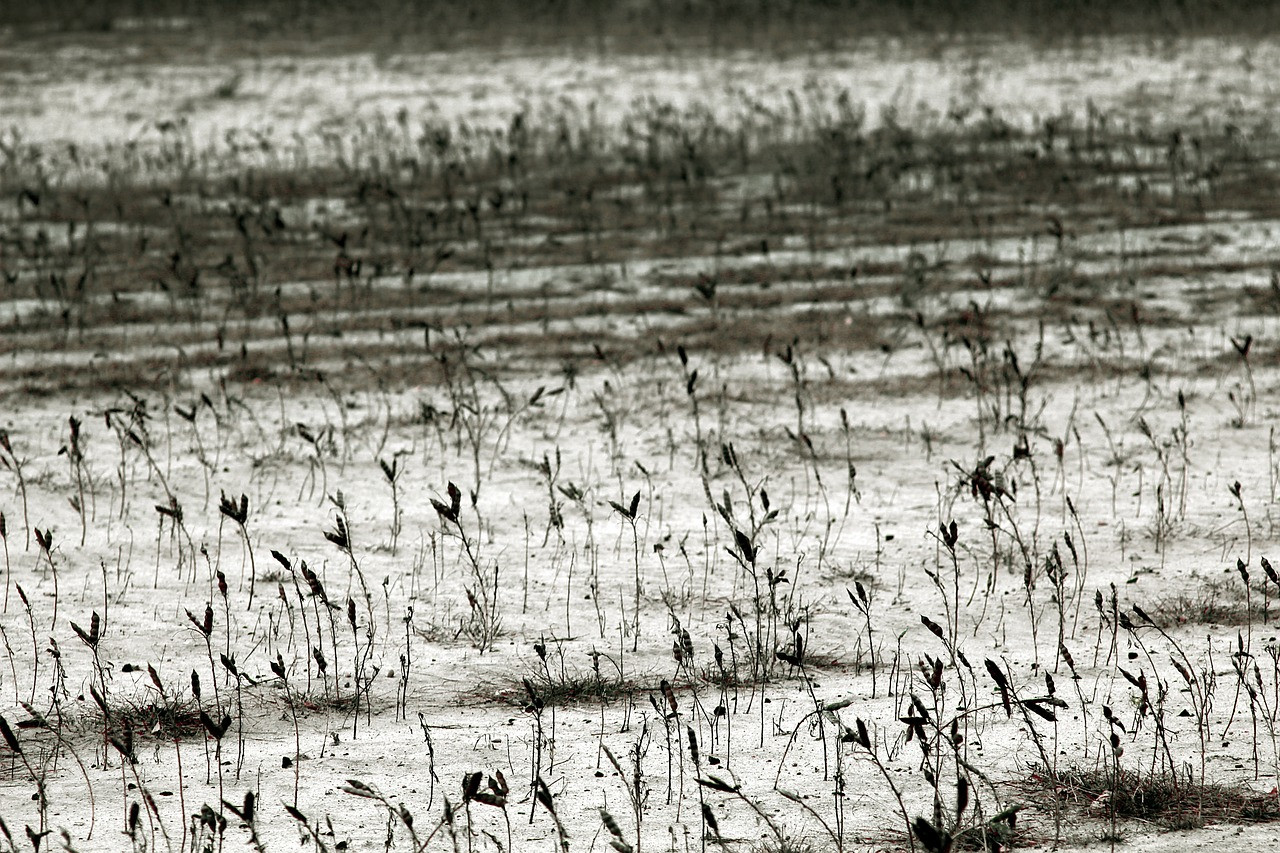
Representative image: Admiral_Lebioda / Pixabay
Rajasthan declared 80 tehsils in 14 districts drought-hit on October 24-25, 2026, pausing farm loan recovery for six months after a 17% rain shortfall.
What Happened
The Rajasthan government has declared 80 tehsils in 14 districts drought-affected after a weak monsoon, and has suspended the recovery of agricultural loans in these areas for six months. The notifications, issued by the state's Disaster Management, Relief and Civil Defence Department on October 24 and 25, 2026, classify 69 tehsils as severely affected and 11 as moderately affected. The state received 350.83 mm of rain between June 1 and September 30, 2026, against a normal of 424.71 mm. Jodhpur has the most affected tehsils, 12, followed by Jalore and Barmer with 10 each. The declaration stays in force for six months from its publication and allows fodder depots to be opened for livestock.
Key Facts
- Scope: 80 tehsils (sub-district revenue units) in 14 districts, 69 of them severely and 11 moderately affected.
- Notifications: issued on October 24 and 25, 2026 by the Disaster Management, Relief and Civil Defence Department.
- Rainfall: 350.83 mm from June 1 to September 30 against a normal of 424.71 mm, a shortfall of about 17% statewide; reported district deficits were 58% in Pali and 54% in Jaisalmer.
- Worst hit: Jodhpur (12 tehsils), Jalore (10) and Barmer (10).
- Districts covered: Banswara, Barmer, Balotra, Beawar, Bikaner, Churu, Dungarpur, Jaisalmer, Jalore, Jodhpur, Nagaur, Pali, Phalodi and Sirohi.
- Relief: recovery of farm loans suspended for six months; fodder depots can be opened for livestock.
- Duration: the declaration applies for six months from the date of publication.
Why It Matters
A formal drought declaration is more than a label. It is the legal trigger that lets a state government spend relief money, pause loan recovery and set up services such as fodder depots and drinking water supply in the notified areas. For farmers whose kharif (monsoon-season) crops failed, a six-month break from loan recovery means banks and cooperative societies will not press them for repayment while they have no harvest income. That can stop distress sales of land, cattle and jewellery, and it reduces the pull of informal moneylenders.
The western districts on the list, Jodhpur, Barmer, Jalore, Jaisalmer, Phalodi and Balotra, are arid areas where livestock matters greatly to household income alongside crops. When rains fail, fodder becomes scarce and expensive, and families may be forced to sell animals cheaply. That is why the fodder depot provision matters as much as the loan relief.
The declaration also comes as other states deal with the same weak monsoon. Karnataka's statistics directorate has projected a sharp fall in kharif foodgrain output, and Maharashtra has said it will act against finance company staff who harass drought-hit farmers over repayments, according to reports. Together, these show how a poor monsoon spreads from farm fields into rural credit, livestock markets and household budgets.
| Most affected | Tehsils |
|---|---|
| Jodhpur | 12 |
| Jalore | 10 |
| Barmer | 10 |
| Total, 14 districts | 80 (69 severe, 11 moderate) |
Impact
Short-term: Farmers in the 80 tehsils get six months without loan-recovery pressure, and district administrations can open fodder depots for cattle and other livestock. Relief work on drinking water and fodder supply is likely to be the first visible step.
Long-term: The poor monsoon also shapes the rabi (winter) season, since farmers with little soil moisture and no income from the kharif crop may sow less. Repeated dry years in western Rajasthan raise wider questions about water storage, crop choices and insurance coverage for rain-fed farmers.
Who is affected: farmers and livestock keepers in the 80 notified tehsils; cooperative banks, commercial banks and microfinance lenders that have farm loans in these areas; dairy cooperatives and fodder traders; and district administrations responsible for relief.
Key Takeaway
Rajasthan's October 24-25 drought notifications cover 80 tehsils in 14 districts, pausing farm loan recovery for six months and opening the way for fodder depots after a monsoon about 17% below normal.
Questions and Answers
Which areas of Rajasthan have been declared drought-affected?
The state notified 80 tehsils in 14 districts: Banswara, Barmer, Balotra, Beawar, Bikaner, Churu, Dungarpur, Jaisalmer, Jalore, Jodhpur, Nagaur, Pali, Phalodi and Sirohi. Jodhpur has the most affected tehsils, 12, followed by Jalore and Barmer with 10 each.
What relief do farmers get under the Rajasthan drought declaration?
Recovery of agricultural loans in the notified areas is suspended for six months, and the declaration allows fodder depots to be opened for livestock.
How much less rain did Rajasthan receive in the 2026 monsoon?
The state received 350.83 mm of rain between June 1 and September 30, 2026, against a normal of 424.71 mm, about 17% less. Pali and Jaisalmer reported deficits of 58% and 54%.
How long will the drought declaration last?
It stays in force for six months from the date the notifications were published on October 24 and 25, 2026.
Disclaimer: Prepared by the Peepals newsroom from publicly available sources with AI assistance. Information is accurate to the best of our knowledge at the time of publication and may change. Images may be representative. Not professional advice. Report an error via our contact page.
By Rohit Sharma, Markets AnalystCovers Markets Watch and more for Peepals Business. All stories by Rohit Sharma
Get the day's stories in your inbox
Peepals Weekly: the week decoded, free. One email a week, unsubscribe in one click.
Rohit Sharma is a pen name of the Peepals Global Editorial Team, which researches, fact-checks and publishes every story. The portrait is an illustration.