
Madhya Pradesh to give fisheries industry status, plans one lakh fish cages
 By Neha KapoorEconomy Correspondent, Peepals Business
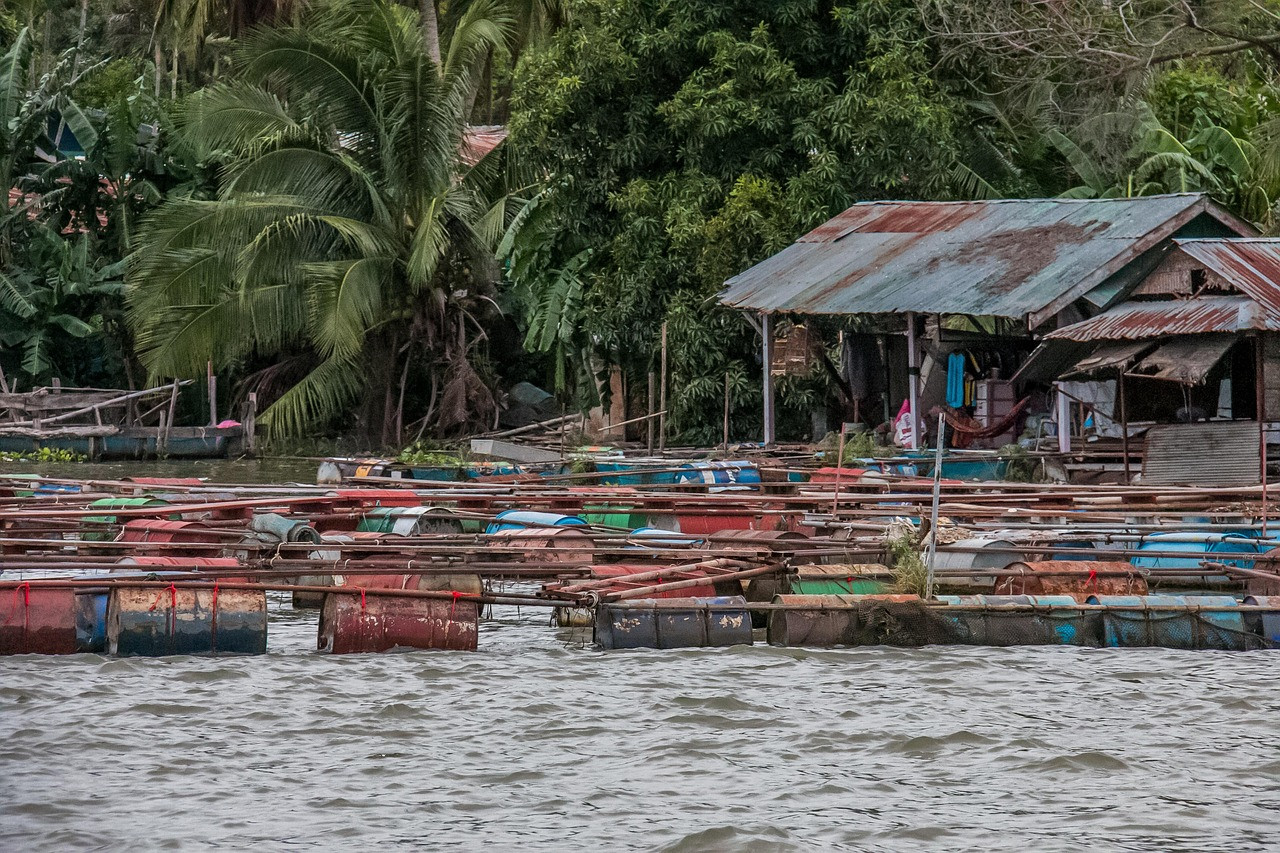
Representative image: lanlom / Pixabay
Madhya Pradesh will give fisheries industry status and set up one lakh cage culture units, aiming for 10 lakh tonnes of fish in three years, CM Mohan Yadav said on Oct 23.
What Happened
Madhya Pradesh plans to grant industry status to fisheries and set up one lakh cage culture units across the state as part of a push to more than double fish production, Chief Minister Mohan Yadav announced at a fisheries conclave in Bhopal on Friday, October 23, 2026. The state's first public-private partnership (PPP) cage culture project, with 500 cages at the Barna Reservoir in Raisen district, was launched at the event. The plans fall under the state's Integrated Fisheries Policy-2026, which aims to raise output to 10 lakh tonnes within three years.
Key Facts
- Announcement: October 23, 2026, at a fisheries conclave in Bhopal, by Chief Minister Mohan Yadav.
- Policy: Integrated Fisheries Policy-2026 of the Madhya Pradesh government.
- Target: fish production of 10 lakh tonnes within three years; reports put current output at between about 4.45 lakh and 4.95 lakh tonnes, depending on the year cited.
- Cage culture: one lakh cage units planned across the state; the first PPP project, of 500 cages, launched at Barna Reservoir in Raisen district.
- Reservoir plan: a Rs 7,430 crore project covering cage culture at four reservoirs, Indira Sagar, Bargi, Bansagar and Barna, expected to add about 4 lakh tonnes of fish, according to reports.
- Industry status: fisheries to be treated as an industry, with MSME (micro, small and medium enterprise) benefits extended to the sector, according to reports.
- Investment and jobs: the state reported about Rs 40,000 crore of investment proposals and an expected 3.5 lakh jobs, according to reports from the conclave.
- Support: investors and fish farmers are to get land allotment and technical help under the policy.
Why It Matters
Madhya Pradesh has no coastline, so its fish comes from rivers, ponds and large reservoirs built for irrigation and power. Cage culture is a way of farming fish inside those reservoirs: floating net cages are anchored in the water and stocked with young fish, which are fed and harvested in a controlled way. It allows far more fish to be produced from the same body of water than open fishing, and it can be run by fishermen's cooperatives, self-help groups or private companies.
Industry status matters because it changes how the sector is treated by banks and the government. When fisheries are recognised as an industry and given MSME benefits, fish farmers and processing units can become eligible for the same credit, subsidy and infrastructure support that factories and small businesses get. That can make it easier to borrow for cages, feed, cold storage and transport, which are the main costs in scaling up.
The targets are ambitious. Going from under 5 lakh tonnes to 10 lakh tonnes in three years would require the new cage units, reservoir projects and private investment to come through quickly. The investment proposals announced at a conclave are intentions, not money already spent, and the one-lakh-cage figure is a goal, not cages already in place. The 500-cage Barna project is the first concrete step and will show whether the PPP model works in the state's reservoirs.
| Item | Figure |
|---|---|
| Current fish production (reported) | About 4.45 to 4.95 lakh tonnes |
| Target in three years | 10 lakh tonnes |
| Planned cage culture units | 1,00,000 |
| First PPP cage project | 500 cages, Barna Reservoir, Raisen |
| Four-reservoir cage plan | Rs 7,430 crore |
Impact
Short-term: Fish farmers, cooperatives and investors in Madhya Pradesh can look for land allotment, technical support and, once notified, MSME-style benefits under the new policy.
Long-term: If the cage culture and reservoir plans are delivered, fish could become a significant source of rural income and protein in a land-locked state, with jobs in feed, transport, cold storage and processing.
Who is affected: Fishermen and fish-farming cooperatives, rural self-help groups, investors in aquaculture, communities around the Indira Sagar, Bargi, Bansagar and Barna reservoirs, and consumers of freshwater fish.
Key Takeaway
Madhya Pradesh announced on October 23, 2026, that it will give fisheries industry status and set up one lakh cage culture units, aiming to raise fish output to 10 lakh tonnes in three years.
Questions and Answers
What did Madhya Pradesh announce for fisheries?
On October 23, 2026, Chief Minister Mohan Yadav said the state will grant industry status to fisheries, extend MSME benefits to the sector and set up one lakh cage culture units under its Integrated Fisheries Policy-2026, with a target of 10 lakh tonnes of fish in three years.
What is cage culture in fish farming?
Cage culture is fish farming inside floating net cages anchored in a reservoir, lake or river. Fish are stocked, fed and harvested in the cages, which allows much higher production from the same water body than open fishing.
Where is Madhya Pradesh's first PPP cage culture project?
The first public-private partnership cage culture project, with 500 cages, was launched at the Barna Reservoir in Raisen district on October 23, 2026.
What does industry status mean for fish farmers?
Industry status, with MSME benefits, can make fish farmers and fish-processing units eligible for the credit, subsidies and infrastructure support given to small businesses. The exact benefits will depend on the state's notified rules.
Disclaimer: Prepared by the Peepals newsroom from publicly available sources with AI assistance. Information is accurate to the best of our knowledge at the time of publication and may change. Images may be representative. Not professional advice. Report an error via our contact page.
By Neha Kapoor, Economy CorrespondentCovers Economy and more for Peepals Business. All stories by Neha Kapoor
HSBC shares fall about 7% as revenue misses despite 32% profit jump
Guidewire to buy hyperexponential for $1.7 billion to add AI underwriting
Get the day's stories in your inbox
Peepals Weekly: the week decoded, free. One email a week, unsubscribe in one click.
Neha Kapoor is a pen name of the Peepals Global Editorial Team, which researches, fact-checks and publishes every story. The portrait is an illustration.