
UP crop-loss compensation hiked to Rs 22,000 a hectare; death aid doubled
 By Neha KapoorEconomy Correspondent, Peepals Business

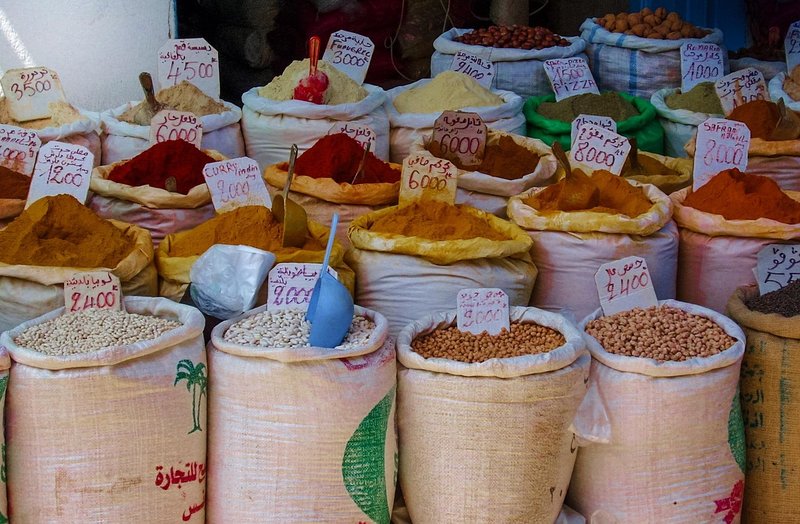
Representative image: VitalyKobzun / Pixabay
Uttar Pradesh raised crop-loss aid by about 29-33% a hectare and doubled disaster death ex-gratia to Rs 8 lakh on 6 November 2026; 10 lakh farmers to benefit.
What Happened
The Uttar Pradesh government on Friday, 6 November 2026 raised the compensation it pays farmers for crops damaged by natural disasters by roughly 25-30%, and doubled the ex-gratia payment for a death caused by a disaster from Rs 4 lakh to Rs 8 lakh. The Chief Minister's Office said more than 10 lakh farmers are expected to benefit. The new rates apply to losses suffered between 1 April and 4 November 2026, and follow revised norms for the State and National Disaster Response Funds (SDRF and NDRF), according to reports.
Key Facts
- Announced: Friday, 6 November 2026, by the Yogi Adityanath government in Lucknow.
- Crop loss on irrigated land: Rs 22,000 per hectare, up from Rs 17,000.
- Crop loss on rain-fed land: Rs 11,000 per hectare, up from Rs 8,500.
- Perennial crops and agroforestry: Rs 30,000 per hectare, up from Rs 22,500.
- Death of a large animal: Rs 50,000, up from Rs 40,000; poultry: Rs 130 per bird, up from Rs 100.
- Ex-gratia for a death in a natural disaster: Rs 8 lakh, up from Rs 4 lakh.
- Silk farmers and owners of land hit by landslides also get higher rates, reports said.
- Coverage: losses from 1 April to 4 November 2026; more than 10 lakh farmers expected to benefit, according to the CMO.
Why It Matters
Many farmers in Uttar Pradesh work small plots with little savings. When hail, unseasonal rain, floods or drought destroy a crop, government compensation is often the only money that arrives quickly. The amounts paid per hectare are set by disaster-relief norms. Raising them by about a quarter or more makes a real difference to a small farmer trying to buy seed and fertiliser for the next season.
The distinction between irrigated and rain-fed land matters. Irrigated fields have canals, tube wells or other water sources, while rain-fed fields depend on rainfall alone, and the irrigated rate is twice the rain-fed one. Both rates have gone up by the same proportion, so the gap between them stays the same. Perennial crops, such as orchards and trees grown under agroforestry, get the biggest rise of the three land categories.
The timing is also significant. The announcement came just before Diwali and covers losses back to 1 April, so farmers whose crops were damaged earlier this year will be paid at the new, higher rates. Livestock and poultry owners, who are often the same rural families, also benefit, and the doubling of the death ex-gratia gives more support to families who lose a member in a disaster.
What it means for readers: farmers who suffered disaster losses between 1 April and 4 November 2026 should check with their tehsil or district administration on how the revised amounts will be paid. This story describes the announced rates; it is not legal or financial advice.
Peepals calculation: the irrigated rate rises from Rs 17,000 to Rs 22,000 a hectare, an increase of about 29.4% (5,000 ÷ 17,000), and the rain-fed rate from Rs 8,500 to Rs 11,000, also about 29.4% (2,500 ÷ 8,500). Perennial crops rise about 33.3% (7,500 ÷ 22,500), large animals 25% and poultry 30%, while the death ex-gratia rises 100%. Our calculation from the reported figures.
| Category | Old rate | New rate | Change |
|---|---|---|---|
| Irrigated crop land (per hectare) | Rs 17,000 | Rs 22,000 | +29.4% |
| Rain-fed crop land (per hectare) | Rs 8,500 | Rs 11,000 | +29.4% |
| Perennial crops, agroforestry (per hectare) | Rs 22,500 | Rs 30,000 | +33.3% |
| Death of large animal | Rs 40,000 | Rs 50,000 | +25% |
| Death in natural disaster | Rs 4 lakh | Rs 8 lakh | +100% |
Impact
Short-term: Farmers with recorded crop losses since April will receive more money per hectare, which helps with costs for the coming rabi (winter) sowing season. District administrations will have to apply the new rates to pending claims.
Long-term: Higher relief rates give farmers a stronger safety net against future disasters, and they also raise the amount the state will pay out on each claim.
Who is affected: Over 10 lakh farmers in Uttar Pradesh, especially small and rain-fed farmers; livestock and poultry owners; silk farmers; families who lost a member to a natural disaster; and district revenue officials who process claims.
Key Takeaway
Uttar Pradesh has raised crop-loss compensation by about 29-33% per hectare and doubled disaster death ex-gratia to Rs 8 lakh, for losses from 1 April to 4 November 2026.
Questions and Answers
How much crop-loss compensation will Uttar Pradesh farmers now get?
Rs 22,000 per hectare for irrigated land (up from Rs 17,000), Rs 11,000 for rain-fed land (up from Rs 8,500) and Rs 30,000 for perennial crops and agroforestry (up from Rs 22,500), under the decision announced on 6 November 2026.
Which losses are covered by the new UP rates?
Losses caused by natural disasters between 1 April and 4 November 2026, according to reports. More than 10 lakh farmers are expected to benefit.
What is the new ex-gratia for a death in a natural disaster in UP?
It has been doubled from Rs 4 lakh to Rs 8 lakh.
Do livestock owners get more as well?
Yes. Compensation for the death of a large animal rises from Rs 40,000 to Rs 50,000, and for poultry from Rs 100 to Rs 130 per bird.
Disclaimer: Prepared by the Peepals newsroom from publicly available sources with AI assistance. Information is accurate to the best of our knowledge at the time of publication and may change. Images may be representative. Not professional advice. Report an error via our contact page.
By Neha Kapoor, Economy CorrespondentCovers Economy and more for Peepals Business. All stories by Neha Kapoor
UK house prices fall 1.2% in year to October, steepest drop since 2023
Five9 buys Level AI for $325 million in cash to add contact-centre AI
Get the day's stories in your inbox
Peepals Weekly: the week decoded, free. One email a week, unsubscribe in one click.
Neha Kapoor is a pen name of the Peepals Global Editorial Team, which researches, fact-checks and publishes every story. The portrait is an illustration.