
Gokul election: Rajesh Patil wins dairy chair as nominees' votes decide
 By Neha KapoorEconomy Correspondent, Peepals Business
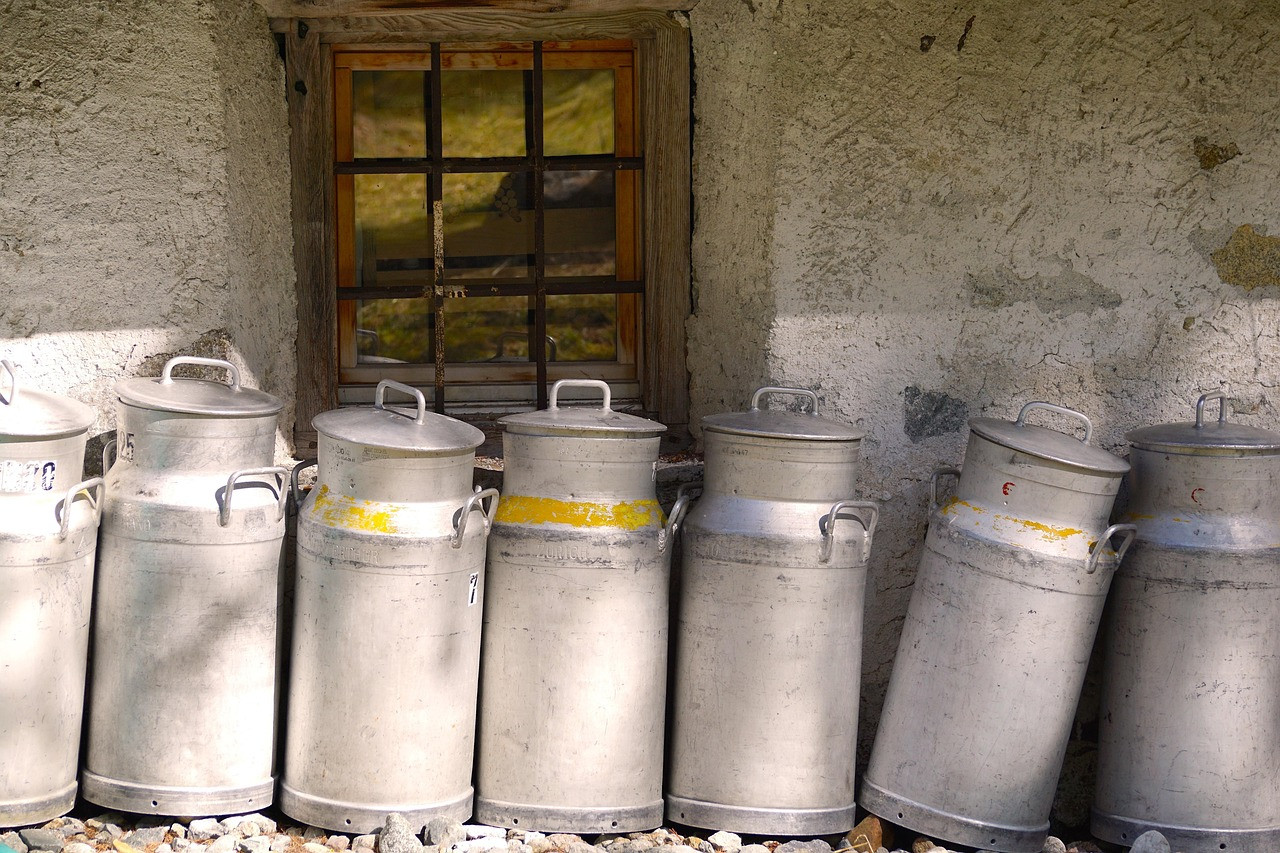
Representative image: suju-foto / Pixabay
Rajesh Patil was elected Gokul Dairy chairman 16-13 on 10 November 2026 after four state-nominated directors voted; the High Court kept their votes separate.
What Happened
Former MLA Rajesh Patil, backed by the ruling Mahayuti alliance, was elected chairman of Gokul Dairy, the Kolhapur District Cooperative Milk Producers' Union, on Tuesday, 10 November 2026, winning 16 votes to 13. The result turned on the votes of four directors nominated by the Maharashtra government, who were allowed to vote under a recent state ordinance. Before the poll, the Bombay High Court refused to stay that ordinance but ordered that the nominees' votes be kept in a separate ballot box, so the election remains subject to the final outcome of the petitions challenging it.
Key Facts
- Winner: Rajesh Patil, a former MLA and the Mahayuti alliance candidate, with 16 votes; his opponent's camp had 13.
- Board arithmetic: the opposition Rajarshi Shahu Shetkari Samvichari Aghadi, led by senior Congress leader Satej Patil, won 13 of the 25 elected seats; the Mahayuti-backed panel won 12.
- The ordinance, issued under Section 73AAA of the Maharashtra Co-operative Societies Act, 1960, let four government-nominated directors vote, raising the electorate for the chairman's post from 25 to 29.
- The Bombay High Court declined an interim stay, saying the ordinance could not prima facie be called tailor-made for this society, according to legal news reports.
- The court ordered the nominees' votes to be kept separately and made the poll subject to the result of the petitions; a further hearing is listed for 25 November 2026, according to reports.
- The election ended a 15-day deadlock caused by a lack of quorum at earlier meetings.
- Opposition groups and farmers held a cattle march in protest against the ordinance, according to reports.
Why It Matters
Gokul is one of Maharashtra's best-known milk cooperatives. Like other dairy unions, it is owned by its member societies and, through them, by the dairy farmers who supply milk every day. Whoever controls its board shapes decisions that reach farm households directly: the price paid per litre, cattle-feed and veterinary services, and investment in processing and marketing. That is why control of large cooperatives is fiercely contested in rural Maharashtra, and why a change in the voting rules matters well beyond one election.
The ordinance changes the balance between members and the state. Until now, only directors elected by member societies chose the chairman. Allowing government nominees to vote means the state government of the day can tilt a closely divided board, as happened here: the opposition panel had a majority of elected directors, but lost once the four nominees voted. Supporters of the change say government representation brings accountability to bodies that receive public support; critics say it weakens the democratic, member-run character that cooperatives are supposed to have.
The High Court has not yet ruled on the merits. By keeping the nominees' votes in a separate box, it has left open the possibility that the result could be revisited if the ordinance is struck down. For the dairy farmers who supply Gokul, the practical question is whether the change of leadership and the legal uncertainty affect the union's day-to-day decisions on milk prices and services.
Peepals calculation: With only elected directors voting, the opposition panel's 13 of 25 seats was a majority of 52% (13 ÷ 25 = 0.52). Adding four nominated voters raised the electorate to 29, about 16% more (4 ÷ 25 = 0.16), and the same 13 votes fell to about 45% (13 ÷ 29 ≈ 0.448), while the Mahayuti side's 12 elected plus 4 nominated votes made 16, or about 55% (16 ÷ 29 ≈ 0.552). Our calculation from the reported figures.
| Group | Votes before the ordinance (25) | Votes with nominees (29) |
|---|---|---|
| Satej Patil-led panel | 13 (52%) | 13 (about 45%) |
| Mahayuti-backed side | 12 (48%) | 16 (about 55%) |
Impact
Short-term: Rajesh Patil takes charge of the union, but his election stays subject to the High Court's final decision on the ordinance. The opposition has said it will keep up its legal challenge.
Long-term: If the ordinance survives, state-nominated directors could influence leadership votes in other large cooperatives in Maharashtra, changing how milk, sugar and credit cooperatives are run. If it is struck down, the separately kept votes could reopen the result.
Who is affected: Dairy farmers and village milk societies supplying Gokul in Kolhapur district, the union's employees and consumers of its products, other cooperative boards in Maharashtra, and political parties that compete for control of cooperatives.
What to watch next: The Bombay High Court's further hearing of the petitions, listed for 25 November 2026, according to reports.
Key Takeaway
Gokul Dairy has a Mahayuti-backed chairman after four state-nominated directors voted under a new ordinance, but the Bombay High Court has kept their votes separate, leaving the result open until it decides the challenge.
Questions and Answers
Who won the Gokul Dairy chairman election?
Former MLA Rajesh Patil, the Mahayuti alliance's candidate, was elected chairman on 10 November 2026 with 16 votes against 13 for the opposition panel led by Congress leader Satej Patil.
What is the Gokul election controversy about?
A Maharashtra ordinance under Section 73AAA of the Maharashtra Co-operative Societies Act, 1960 allowed four government-nominated directors to vote for the chairman. Without them, the opposition had a majority of the 25 elected directors; with them, the Mahayuti side won.
What did the Bombay High Court say?
The court refused to stay the ordinance before the poll, saying it could not prima facie be called tailor-made for this society, but ordered the nominees' votes to be kept separately and made the election subject to the petitions' final outcome.
How does this affect dairy farmers?
Gokul is owned by member milk societies and their farmers, and its board decides milk procurement prices and services. A change in who controls the board, and any later court ruling, can affect those decisions.
Disclaimer: Prepared by the Peepals newsroom from publicly available sources with AI assistance. Information is accurate to the best of our knowledge at the time of publication and may change. Images may be representative. Not professional advice. Report an error via our contact page.
By Neha Kapoor, Economy CorrespondentCovers Economy and more for Peepals Business. All stories by Neha Kapoor
Nykaa to buy 82% of Namrata Soni's Simply Nam for up to Rs 33 crore
Japan spent record $50 billion in a single day to prop up yen
Get the day's stories in your inbox
Peepals Weekly: the week decoded, free. One email a week, unsubscribe in one click.
Neha Kapoor is a pen name of the Peepals Global Editorial Team, which researches, fact-checks and publishes every story. The portrait is an illustration.